

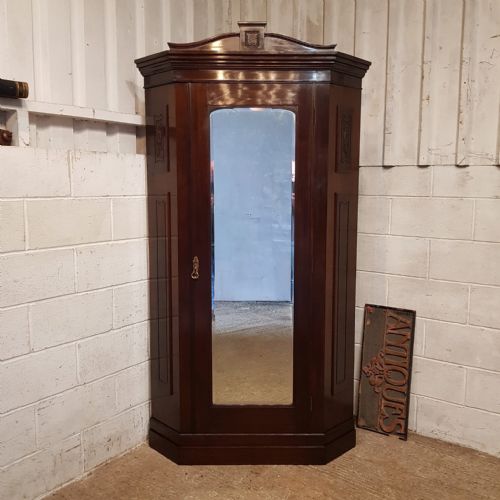


Compact Wooden Cupboard
These compact wooden cupboard selections bring sensible small-scale storage into tight domestic spaces through centuries of clever British cabinetry.
Compact Wooden Cupboard
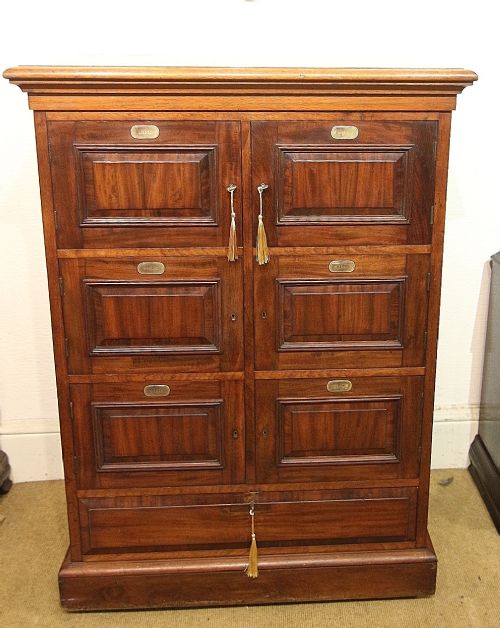
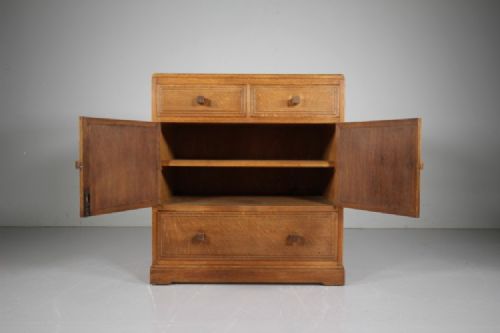
A compact wooden cupboard meets the demand for reduced footprint storage, taking forms from bedside cabinets and dwarf linen cupboards to tallboys and narrow chests across the Regency, Victorian, Edwardian and 1930s periods.
You will most frequently meet mahogany and oak examples on this page, reflecting the enduring domestic utility of small wardrobes, corner cabinets, hall robes and fitted office pieces.
Pieces range from simple country pine dressers and bureau bookcases to refined inlaid Edwardian cabinets, matching practical sizing with traditional timber construction.
Materials and construction methods
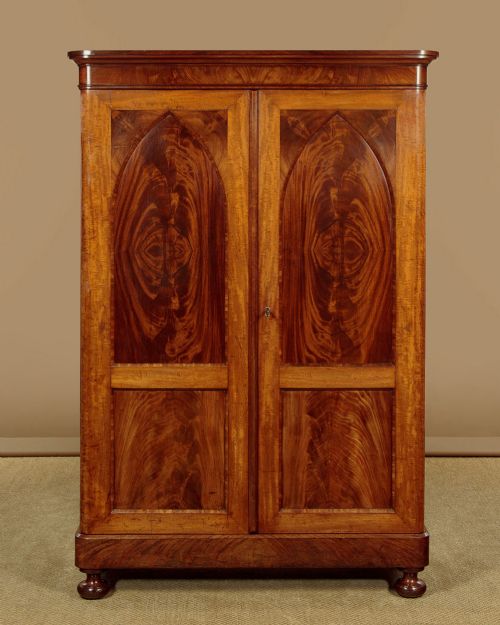
Cabinet makers utilised solid mahogany, oak, pine and burr walnut, frequently applying flame mahogany veneer to visible surfaces for decorative depth.
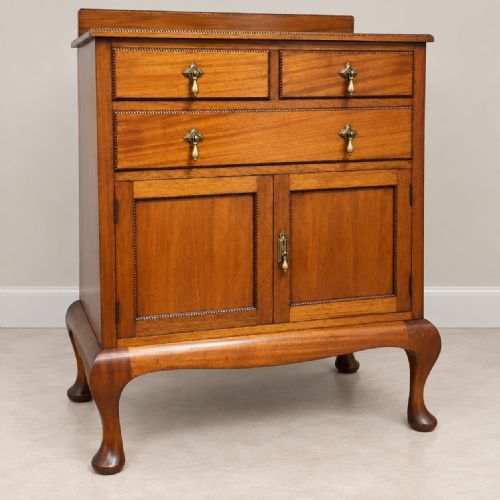
Hardware details such as brass drop handles and turned baluster legs provided functional stability alongside aesthetic punctuation on wardrobes and side cabinets.
Compact Wooden Cupboard Retail Price Guide 2026
Typical asking prices for compact wooden cupboard among the pieces listed under this phrase on Sellingantiques today, from the lower quarter to the upper quarter. They describe what is for sale here now, not the wider market.
Mahogany and oak appear most frequently across the listed periods, supported by occasional use of burr walnut, pine and brass hardware.
Distinguishing quality in production
Superior examples demonstrate careful timber selection, such as matched burr walnut or figured mahogany, paired with thoughtful proportions like bowfront profiles or disciplined inlay work.
The sophistication of the internal fittings, from fitted office interiors to specialised wardrobe shelving, separates standard utility items from finer bespoke commissions.
E Gomme·Crown Furniture·Bryn Mawr
The Compact Wooden Cupboard Glossary
- Tallboy
- A tall chest of drawers, usually comprising a double chest configuration that maximises vertical storage while maintaining a small floor footprint.
- Bureau bookcase
- A writing desk combined with upper shelving or cabinet space, frequently featuring fitted pigeonholes and drop-front writing surfaces.
- Flame mahogany veneer
- A thin slice of mahogany timber cut from the branch junction to produce a distinctive flickering grain pattern, applied over a secondary wood base.
- Dwarf linen cupboard
- A low storage unit historically designed for household linens, scaled down in height for smaller chambers.
Compact Wooden Cupboard: Frequently Asked Questions
What rooms suit a small mahogany wardrobe?
A small mahogany wardrobe or hall robe fits neatly into guest bedrooms or narrow hallways where full-depth storage proves impractical.
Their reduced proportions provide adequate hanging space while preserving floor area in older properties with modest room dimensions.
How do I identify a Regency period office cabinet?
Early nineteenth-century office cabinets display restrained classical proportions, often executed in solid mahogany with functional internal pigeonholes and drawers.
These pieces reflect the administrative requirements of the Regency era through disciplined joinery and minimal decorative distraction.
Where were oak bureau bookcases used?
Oak bureau bookcases served as combined working desks and book storage in Edwardian and 1930s studies or living parlours.
The drop-front desk surface folds away when not in use, concealing functional internal compartments above enclosed cupboard bases.
What is the difference between a tallboy and a narrow chest?
A tallboy stacks multiple drawer tiers vertically to increase capacity without expanding floor coverage, whereas a narrow chest maintains a slender profile across fewer drawers.
Both forms address restricted spaces but utilise distinct internal layouts developed across Victorian and Edwardian periods.