



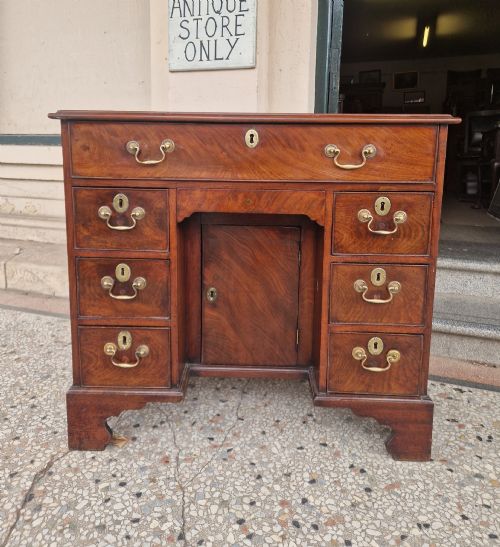
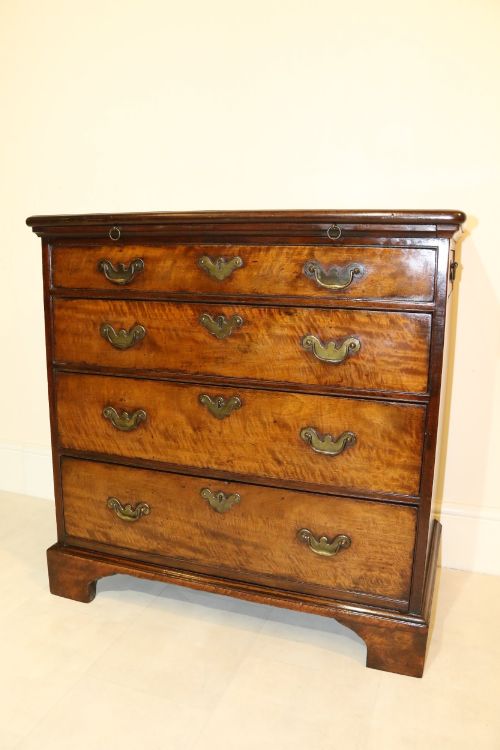
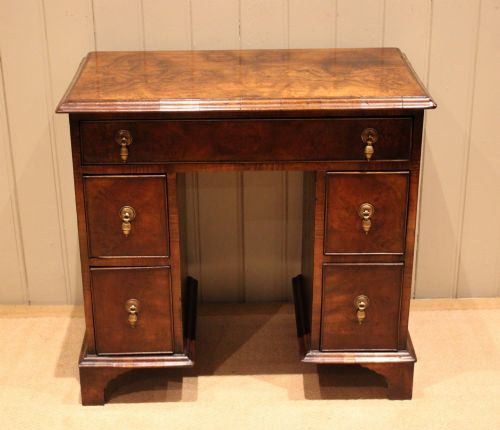
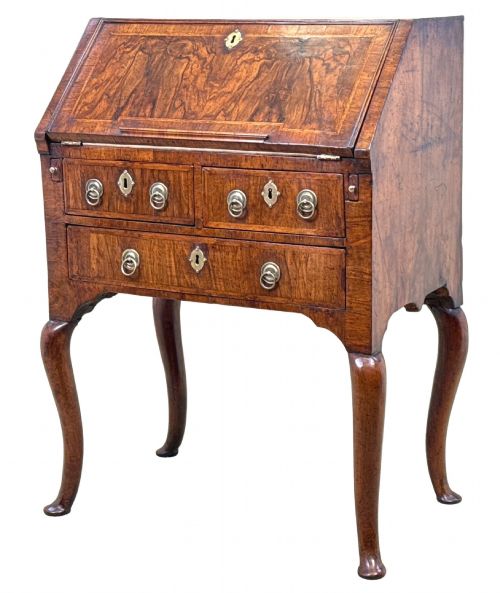
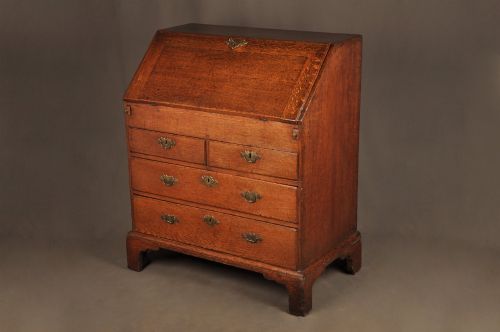


Compact Georgian Bureau
A compact georgian bureau offers a writing slope and internal drawers within a reduced footprint, suiting smaller rooms while providing traditional storage.
Compact Georgian Bureau
A compact georgian bureau serves as a writing desk that conceals pigeonholes and small drawers behind a fall-front flap, resting above a chest of drawers or a stand. These items range from eighteenth century pieces to later revivals produced in the nineteenth and twentieth centuries.
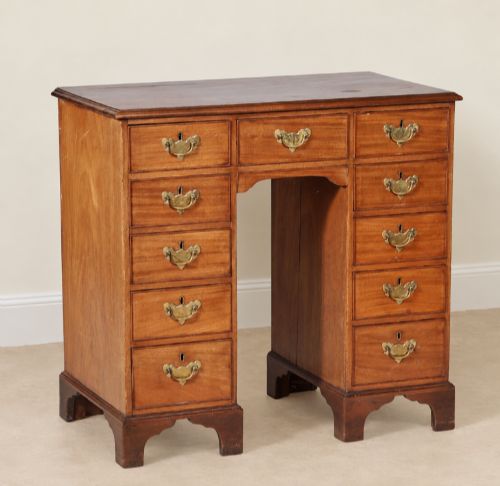
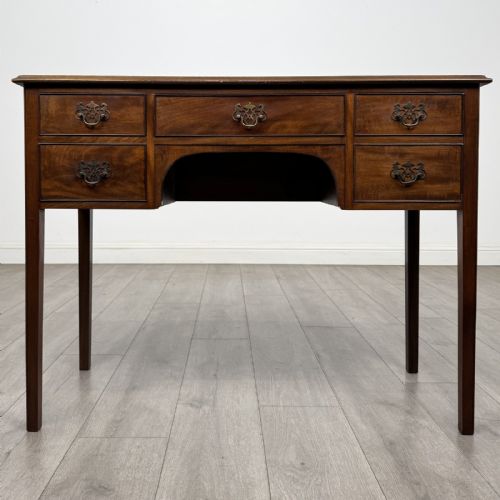
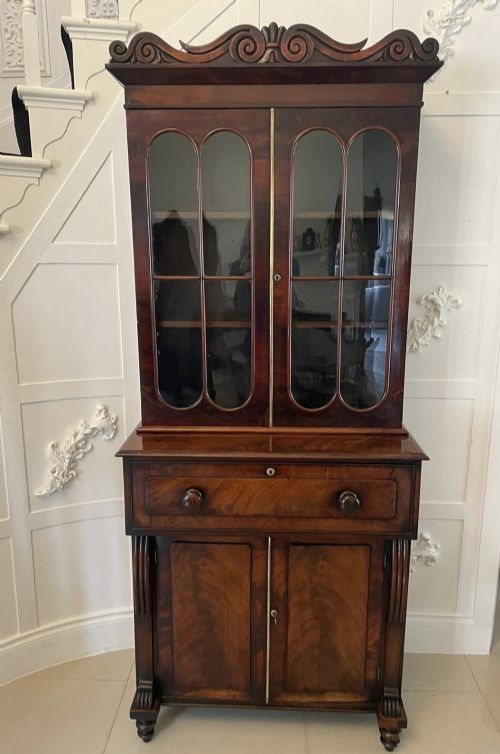
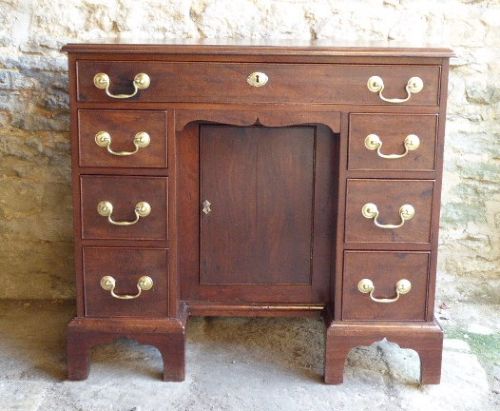
Buyers seeking this form will encounter mahogany and walnut constructions frequently, alongside occasional examples in oak, yew, and rosewood. The selection includes bureau bookcases, kneehole desks, and writing cabinets designed with restricted proportions for smaller interior spaces.
How they were made
Cabinet makers utilised dense timbers such as mahogany, walnut, and oak, often applying figured veneers and burr walnut sections to the fall fronts and drawer faces. Brass hardware, including drop handles and escutcheons, secures the drawers and protects the keyholes.
Internal compartments incorporate small pigeonholes and sliding writing surfaces lined with leather. Construction techniques rely on dovetailed drawer boxes and solid timber framing to support the fall-front writing surface.
Compact Georgian Bureau Retail Price Guide 2026
Typical asking prices for compact georgian bureau among the pieces listed under this phrase on Sellingantiques today, from the lower quarter to the upper quarter. They describe what is for sale here now, not the wider market.
Listings feature eighteenth century pieces alongside nineteenth century examples and twentieth century revivals in walnut, mahogany, oak, and rosewood.
What varies in quality
The refinement of the timber selection dictates the visual merit of each piece, with matched veneers and figured grain marking out superior examples. Subtle details such as finely cut dovetails and the presence of original brass fixtures elevate the standing of a desk.
Proportions remain a key consideration, where pieces maintaining a genuinely diminutive scale without awkward alterations command greater interest. The crispness of carved mouldings and the integrity of the interior stationery compartments further separate standard iterations from finer specimens.
Gillows of Lancaster
The Compact Georgian Bureau Glossary
- Bureau
- A writing desk featuring a sloping fall-front that opens to reveal compartments for stationery and documents.
- Fall-front
- The hinged sloping lid of a bureau that lowers to create a writing surface.
- Kneehole desk
- A writing table with pedestals of drawers on either side of a central recess for the sitter's legs.
- Secretaire
- A piece of furniture containing a pull-out writing drawer or drop-front desk compartment.
- Pigeonhole
- A small compartment within a desk interior used for sorting letters and papers.
Compact Georgian Bureau: Frequently Asked Questions
What is a compact georgian bureau?
A compact georgian bureau is a small-scale writing desk featuring a sloping fall-front flap that opens to reveal internal drawers and pigeonholes. These items combine a writing surface with functional drawer storage beneath.
Cabinet makers designed these desks with reduced dimensions to fit smaller domestic rooms during the eighteenth century and subsequent revival periods.
How do you use a bureau desk?
The sloping lid lowers down to form a horizontal writing surface supported by automatic slides or a fall-front stay. Letters and small items sit neatly within the pigeonholes housed behind the closed lid.
When writing finishes, the fall-front lifts and locks shut to conceal the papers and maintain a tidy room.
What woods were used for these desks?
Mahogany and walnut form the primary timbers seen across these listings, frequently utilised as solid wood or as figured veneers. Oak, yew, and rosewood also appear within the selection.
Makers often selected burr walnut and satinwood to provide decorative contrast on drawer fronts and writing surfaces.
How do I date an antique bureau?
Dating relies on examining the timber species, construction methods, and hardware styles. Eighteenth century pieces typically display hand-cut dovetails and period brass handles.
Later nineteenth and twentieth century revival examples imitate these earlier forms while utilising machinery marks and distinct secondary woods.