
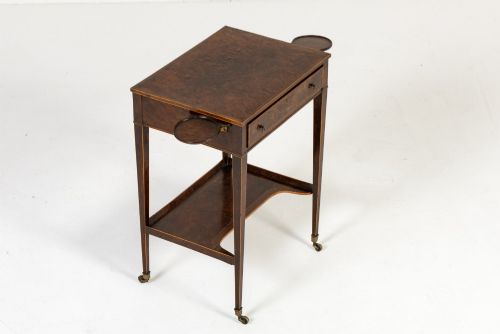
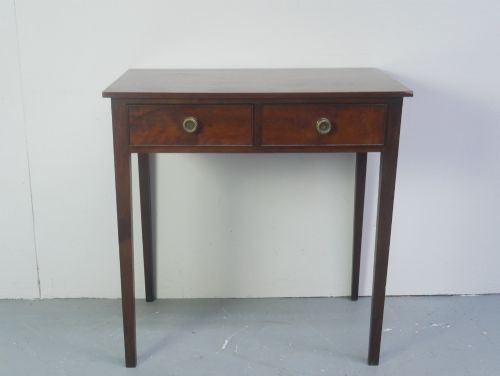


Compact Bedside Drawers
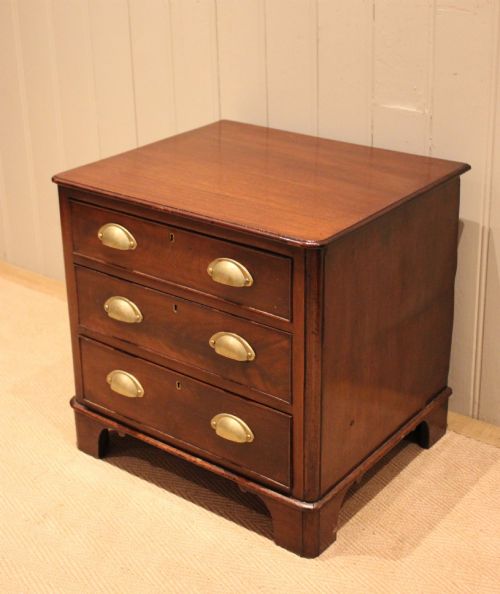
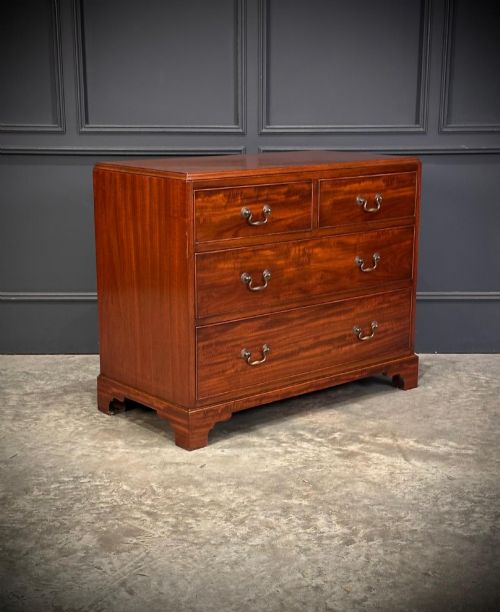
Compact bedside drawers are small chests and cabinets designed for sleeping quarters, offering neat storage where floor space is limited.
Compact Bedside Drawers
Compact bedside drawers serve as convenient bedside storage units across various historical periods. When searching for compact bedside drawers, buyers encounter pieces intended to fit beside a bed while holding small nighttime essentials.
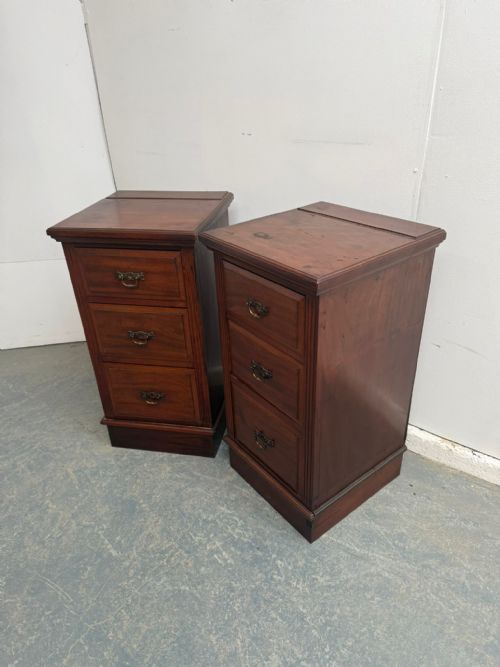
Many examples take the form of small chests of drawers, narrow chests, or dedicated bedside lockers. These pieces suit modern bedrooms precisely because their historical proportions were kept intentionally small.
How they were made
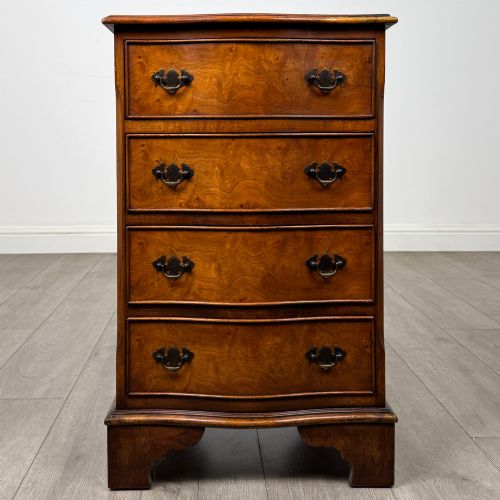
Cabinet-makers utilised solid timbers and choice veneers, notably mahogany, walnut, and burr yew, to construct these smaller chests and tables. Surfaces were frequently waxed or polished to highlight the natural grain patterns of the wood.
Construction methods involved traditional drawer joinery, such as dovetailed box construction, paired with turned or brass hardware. Structural proportions were kept deliberately neat to suit tight spaces without sacrificing utility.
Burr walnut timbers were so wildly patterned that cabinet-makers used them sparingly to hypnotise unsuspecting guests.
What varies in quality
Quality in these small pieces rests on the choice of timber figure and the restraint of the proportions. Figured mahogany, burr walnut, and burr yew command attention through superior grain selection.
Refinement shows in the handling of edges, drawer runners, and original hardware. Pieces with serpentine fronts or bowfronts demonstrate higher ambitions from the cabinet-maker than plain rectangular boxes.
The Compact Bedside Drawers Glossary
- Bowfront
- A convex, curved front on a chest of drawers that swells outward at the centre. This curved profile requires skilled woodworking to shape the drawers and frame.
- Serpentine
- A front shape featuring a central convex curve flanked by concave sweeps, or vice versa. It creates an undulating line associated with finer Georgian and Edwardian cabinet-making.
- Burr Walnut
- Timber taken from the gnarled growth of a walnut tree, yielding highly decorative swirling grain patterns. It was prized for veneering prominent surfaces on smaller chests.
- Bedside Locker
- An alternative historical term for a bedside cabinet or small chest with enclosed storage. These pieces kept chamber items tidy and out of sight.
Compact Bedside Drawers: Frequently Asked Questions
What periods do these small chests come from?
The pieces span multiple eras, including Georgian, Regency, Victorian, and Edwardian periods. Each era brought distinct proportions and decorative treatments to small storage furniture.
Craftsmanship evolved from eighteenth-century styles into early twentieth-century interpretations, utilising diverse woods like mahogany and walnut.
How were bedside chests used historically?
Historically, small chests and cabinets served in bedrooms to hold personal items, nightwear, or washroom accessories. Their compact size allowed them to fit snugly against walls or beside sleeping berths.
Over time, forms adapted from Georgian side tables and writing desks into dedicated bedside lockers and cabinets.
Are these pieces made of solid wood?
Many items feature solid construction timbers, while others employ decorative veneers such as burr walnut or burr yew over stable secondary woods. Cabinet-makers used veneers to display dramatic grain figures.
Solid mahogany and teak also appear frequently, providing durable surfaces for daily bedroom use.
What is the difference between a side table and a bedside chest?
Side tables typically feature an open frame with one or more drawers beneath a tabletop surface, designed for general placement in rooms. Bedside chests and cabinets provide enclosed drawer or cupboard storage specifically for bedside use.
Both forms appear in compact dimensions suitable for smaller spaces.