


Compact Desk Cabinet
A compact antique desk cabinet brings together a writing surface and secure storage in a clever footprint designed for smaller rooms.
Compact Desk Cabinet
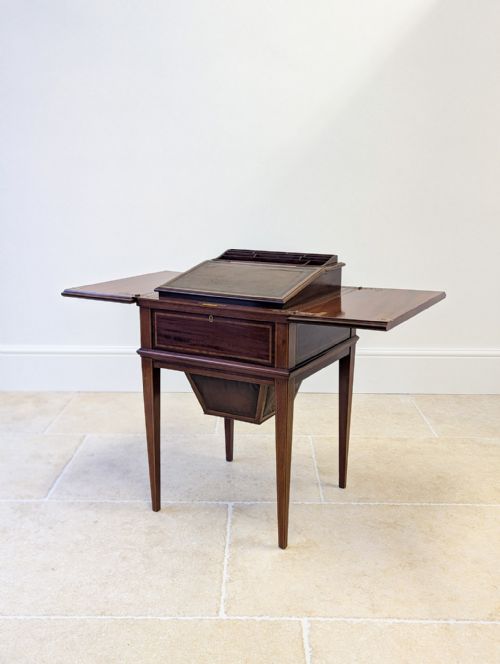
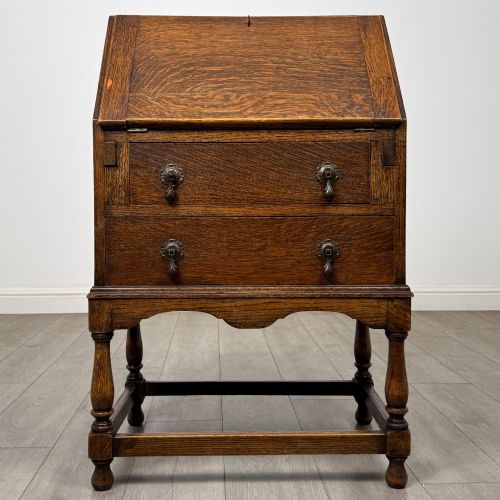
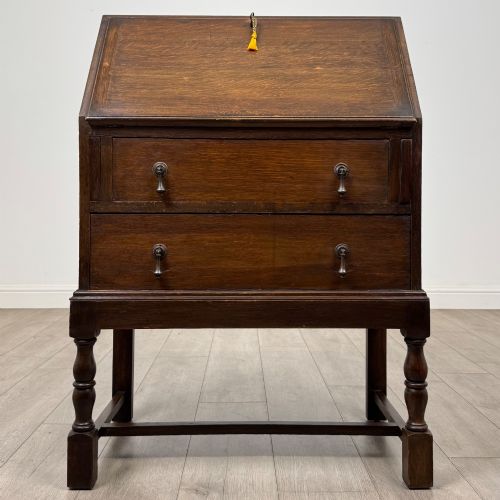
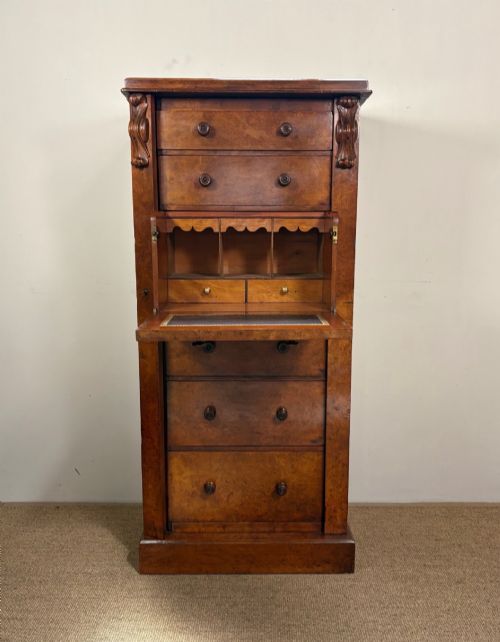
A compact antique desk cabinet typically appears as a Davenport, a bureau, or a secretaire chest, combining a writing slope or pull-out surface with drawers and stationery compartments. These pieces emerged across the Georgian, Regency, and Victorian periods, continuing into Edwardian and Art Deco designs.
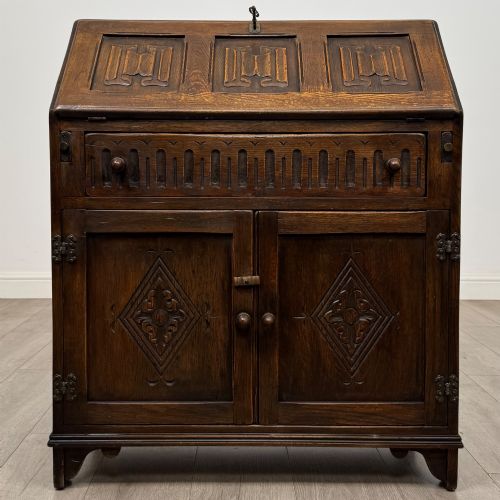
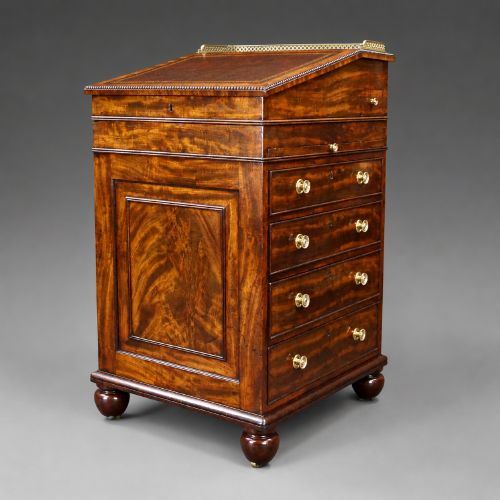
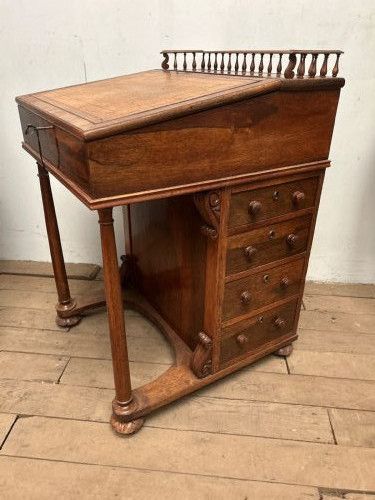
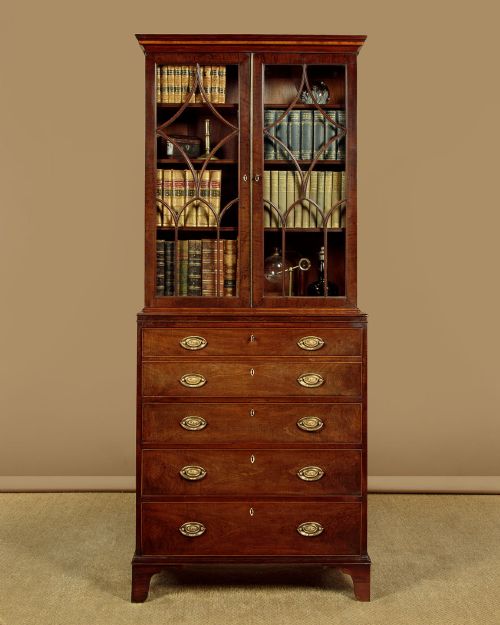
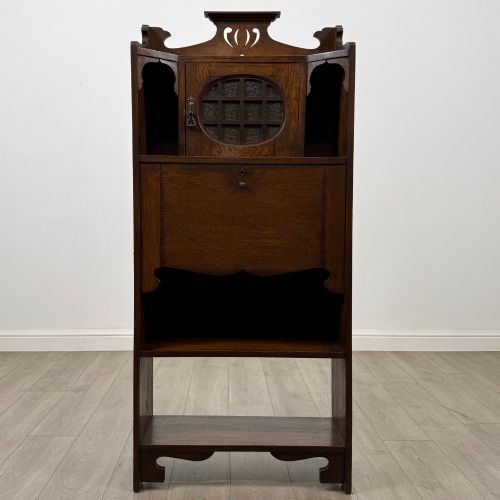
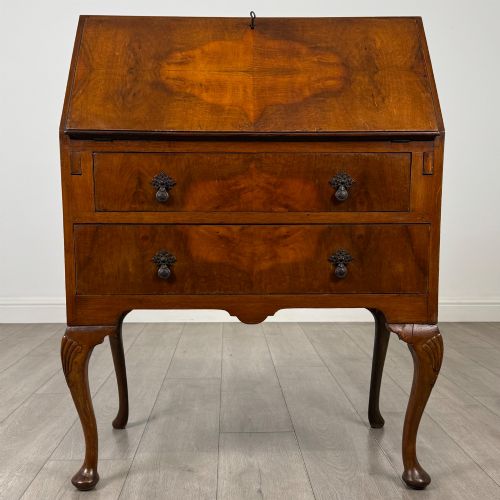
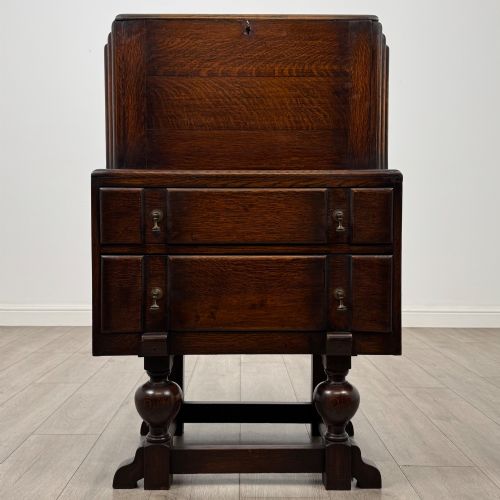
The most common version met on this page is the Davenport desk, a compact writing form featuring a sloped top above a pedestal of side drawers. Bureau bookcases and small writing cabinets also represent the category, often integrating glazed upper shelving for books and papers.
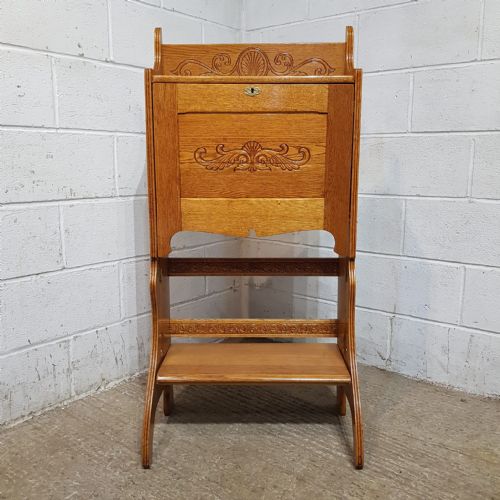
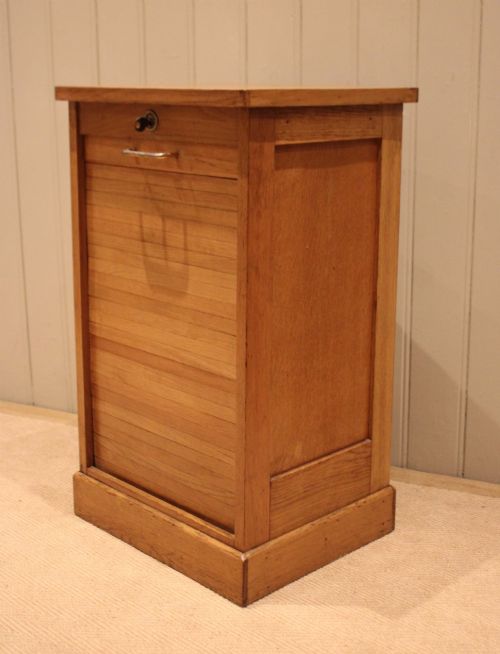
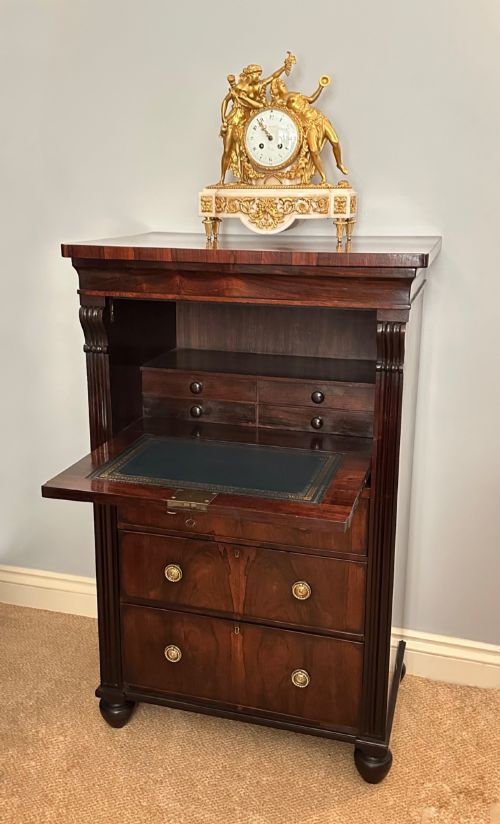
Makers utilised diverse regional timbers and clever internal mechanisms to maximise utility within restricted proportions. Buyers encounter various formats, from rosewood Regency examples to oak Arts and Crafts student pieces.
Materials and construction techniques
Cabinetmakers constructed these pieces using solid foundational timbers such as oak and mahogany, often applying decorative veneers like burr walnut, flame mahogany, and amboyna to primary display surfaces. Crossbanding and stringing added subtle geometric contrast to drawer fronts and writing flaps.
Writing slopes frequently received inset panels of tooled leather to provide a suitable surface for pen work. Brass mounts, handles, and gallery rails appeared across Regency and Victorian pieces, while internal stationery fittings relied on precise dovetail joinery.
Listings feature compact antique desk cabinets spanning the Georgian, Regency, Victorian, Edwardian, and Art Deco periods, utilising mahogany, oak, walnut, and rosewood.
Assessing quality and craftsmanship
The distinction between ordinary and superior pieces rests on the choice of timber and the precision of secondary woods used inside drawers. Finely figured veneers matched across drawer fronts indicate a higher standard of workshop practice.
Internal complexity sets apart the finer examples, such as concealed stationery compartments, pop-up mechanisms, and well-executed pigeonholes. The integration of secondary elements, like brass gallery rails and original tooled leather, preserves the integrity of the design.
Gillows of Lancaster·F.H. Marshall & Co Glasgow·Bryn Mawr
The Compact Desk Cabinet Glossary
- Davenport
- A compact pedestal desk featuring a sloping writing surface and drawers opening to the side. This form gained popularity during the Regency and Victorian periods.
- Secretaire
- A piece of furniture containing a concealed writing drawer or drop-front flap that conceals pigeonholes and small drawers. It often disguises its writing function within the facade of a chest of drawers or bookcase.
- Bureau
- A desk fitted with a sloping hinged lid that drops down to form a writing surface over a set of drawers. Georgian and Edwardian examples frequently incorporate internal compartments for letters and inkwells.
- Crossbanding
- A decorative border of veneer laid around the edges of a panel so that the grain runs at right angles to the central wood. It frames drawer fronts and writing flaps on better furniture.
Compact Desk Cabinet: Frequently Asked Questions
What is a Davenport desk?
A Davenport is a small writing desk with a sloped leather-lined top that lifts to reveal storage, positioned over a pedestal of side drawers. It provides a dedicated writing space without occupying much floor area.
Cabinetmakers produced them extensively throughout the nineteenth century in timbers like walnut, mahogany, and rosewood.
How were bureau bookcases used?
Bureau bookcases served as combined writing desks and personal libraries in domestic settings. The drop-front flap provided a stable surface for correspondence, while the upper glazed cabinet stored books and ledgers.
Their dual function made them practical for studies and principal living rooms.
Where did the stationery go?
Internal arrangements included small pigeonholes, tiny drawers, and slots for pens and ink bottles positioned beneath the sloping lid. More elaborate examples featured hidden compartments released by spring mechanisms.
These fittings kept writing materials organised within a restricted footprint.
How do I date an antique desk cabinet?
Dating relies on stylistic shifts, timber choices, and construction methods visible in the secondary woods of the interior drawers. Regency pieces often showcase rosewood and brass, whereas Edwardian versions favour light oak or inlaid mahogany.
Hardware styles and veneer patterns offer further clues to the period of manufacture.