





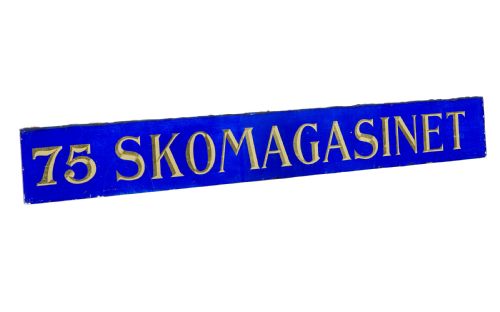


Commercial Glass Shop Sign
A commercial glass shop sign carries the heritage of high streets past, offering period lettering and advertising graphics to interior schemes.
Commercial Glass Shop Sign
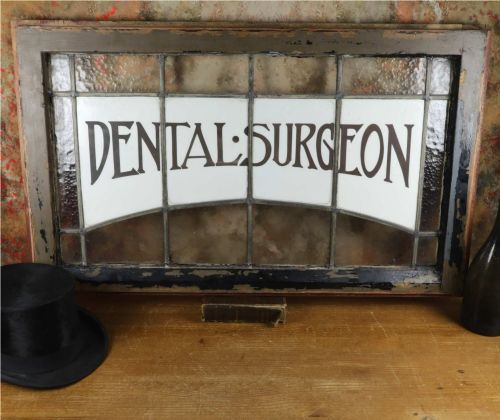
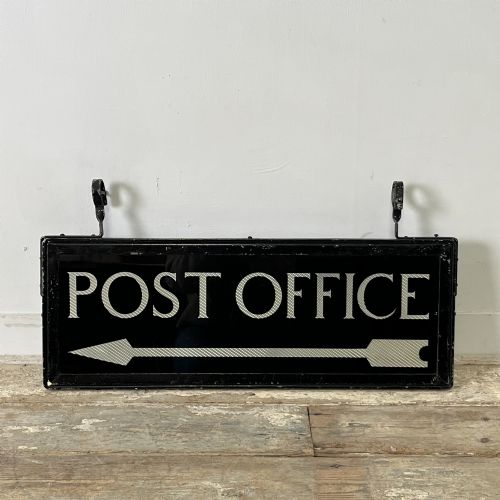
A commercial glass shop sign serves as an authentic window panel, advertising mirror, or trade sign from Victorian, Edwardian, and mid-century establishments. These pieces originate from diverse retail premises including chemists, dental surgeries, confectioners, tobacconists, and post offices.
The version most commonly encountered on this page is the flat glass window panel or hanging wall sign, often featuring reverse-painting or cut glass techniques. These survivors span late 19th century foundations through to 1940s industrial lighting fixtures.
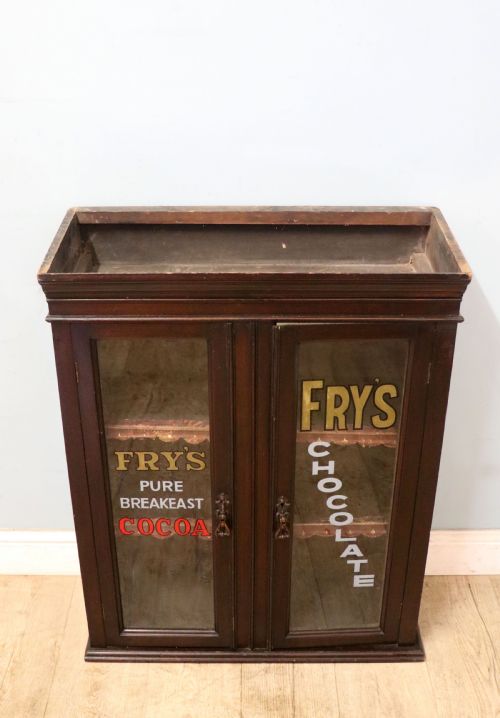
Beyond standalone panels, the category encompasses related trade sign written furniture and glazed shopfitting cabinets bearing period commercial lettering. Such hybrids combine functional storage or display with direct shop advertising.
How they were made
Makers utilised glass as the primary substrate, applying techniques such as reverse-painting, cutting, and hand sign writing directly onto the rear or surface of the panel. This protected the pigment from exterior weathering and daily window cleaning.
Framing and structural support relied on traditional timber joinery, utilising hardwoods like mahogany and oak alongside pine, often complemented by brass fixtures, lead cames, or iron brackets for hanging and display.
Commercial Glass Shop Sign Retail Price Guide 2026
Typical asking prices for commercial glass shop sign among the pieces listed under this phrase on Sellingantiques today, from the lower quarter to the upper quarter. They describe what is for sale here now, not the wider market.
Materials recorded across the inventory include glass, paint, brass, lead, wood, iron, mahogany, and oak.
What varies in quality
The refinement of the hand sign writing and the complexity of the glass technique dictate the upper tier of these pieces. Original frames and untouched painted surfaces command greater regard than later alterations or secondary sign writing.
Material selection also defines the grade, with solid mahogany cabinets and thick cut glass panels showing superior durability compared to simpler pine or veneer constructions.
The Commercial Glass Shop Sign Glossary
- Reverse-painting
- A technique where paint is applied to the back of a glass sheet so the image reads correctly from the front. This method protects the pigment and yields a glossy surface finish.
- Sign written
- Lettering or graphics applied by hand using sign writer's paint on glass, wood, or metal surfaces. It represents the primary method for commercial shop advertising before modern vinyl printing.
- Trade sign
- A board, mirror, or glass panel displayed outside or inside a shop to indicate the profession or goods sold within. These items formed the visual identity of high street merchants.
- Architectural salvage
- Building materials and fixtures rescued from structures slated for demolition or remodelling. Items in this category often retain their original institutional or retail context.
Commercial Glass Shop Sign: Frequently Asked Questions
Where were these glass signs displayed?
Traders positioned these pieces in shopfront windows, above doorways, or inside retail interiors to attract passing custom. Many hung as double-sided projecting signs or sat upon counters and backbar shelving.
Chemists, tobacconists, and post offices utilised them to broadcast specific services, while confectioners and shoe shops highlighted brand names like Fry's chocolate or Shore Pedic shoes.
How do I identify an Edwardian glass sign?
Edwardian examples typically display specific lettering styles, framing materials, and trade associations linked to the early 1900s. Cut and painted glass window panels from this decade often feature distinct typography associated with tobacconists and confectioners.
Comparing the backing boards, wood types such as oak or mahogany, and mounting hardware helps separate Edwardian production from later mid-century iterations.
Can these glass signs be hung on modern walls?
Most hanging glass signs and mirrors are equipped with original brackets, chains, or sturdy wooden frames suitable for wall mounting. Weight varies considerably depending on whether the piece incorporates solid mahogany, cast iron, or thick leaded glass.
Wall placement requires fixings appropriate to the weight of the specific panel, ensuring the frame supports the glass safely without putting strain on old joints.
What trades are represented on these signs?
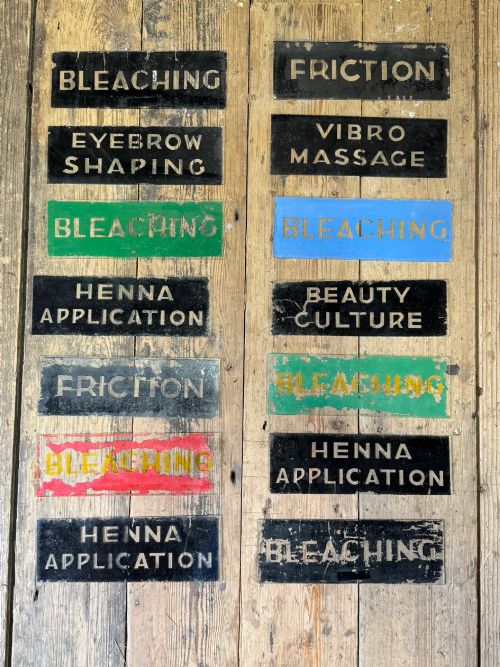
The selections encompass a wide cross-section of historical high street commerce, including dental surgeons, pharmacies, hairdressers, and agricultural merchants. Other common trades include gunsmiths, post offices, and boutique shoe shops.
Each trade utilised distinct advertising imagery, ranging from medicinal dispensing notices to automated vending machine mirrors.