




Commedia Dell Arte Figure
A commedia dell arte figure brings theatrical stock characters into your home through bronze, porcelain, earthenware and oil on canvas.
Commedia Dell Arte Figure
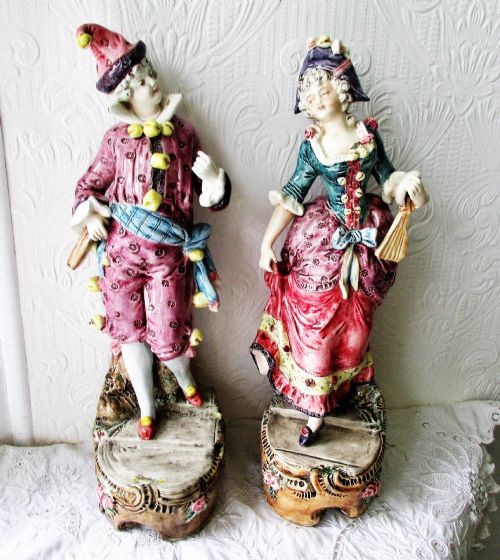
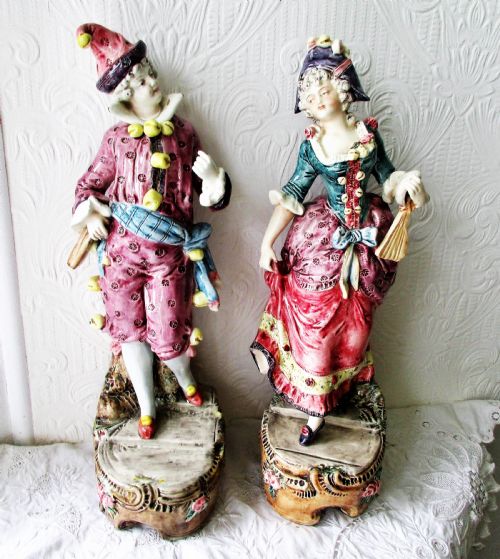
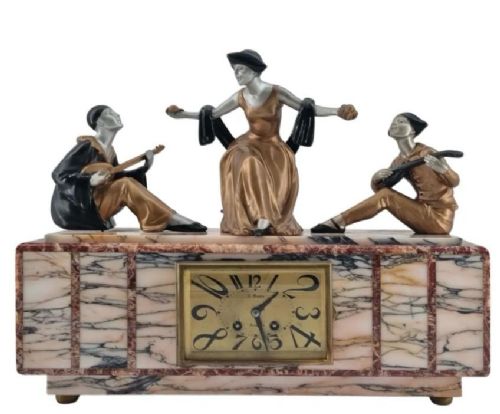
A commedia dell arte figure represents theatrical stock characters such as Pulcinella, Pierrot, and Columbine from improvised Italian plays. These pieces take the form of figurines, sculptures, mantel clocks, tobacco jars, inkwells, and oil paintings created across the nineteenth and twentieth centuries.
The selection on this page runs from Victorian Staffordshire earthenware and Edmé Samson Paris porcelain to French bronze castings and Art Deco clocks. French interpretations and English Staffordshire versions appear alongside Italian majolica pottery and oil paintings on canvas.
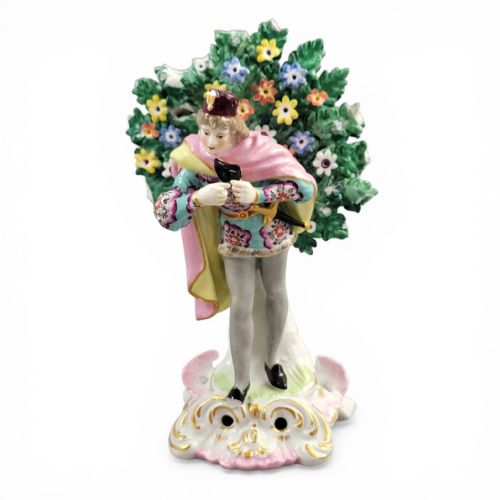
Buyers encounter distinct physical representations ranging from single actors holding masks to figural groups and functional desk stands. Each piece captures the distinct posture and costume of traditional theatrical performers derived from European revival styles.
Materials and construction
Bronzes are cast using traditional foundry methods, often bearing foundry stamps or artist signatures such as P Granet and Charles Anfrie. Earthenware and porcelain examples utilise hand-painting, coloured glazes, and enamels over ceramic bodies to render detailed theatrical costumes.
Stone and metal combinations appear in pieces incorporating marble bases alongside spelter or bronze figures. Oil paintings apply pigments to canvas to depict performance scenes in village settings.
The selection includes functional objects such as inkwells and mantel clocks alongside traditional sculptural figurines and oil paintings.
Assessing quality and execution
Functional items integrate the sculptural form successfully with the utility of a clock movement, inkwell, or tobacco jar. The fidelity of the traditional theatrical costume details indicates the skill of the maker.
P Granet·Sega·Edmé Samson Paris·Charles Anfrie·Richard Geiger·Eugene Clauss·Franz De Paula Ferg
The Commedia Dell Arte Figure Glossary
- Pulcinella
- A classical commedia dell arte stock character typically depicted with a hooked nose and loose white garments. This figure forms the subject of several bronze and majolica pieces.
- Pierrot
- A melancholic theatrical clown character frequently shown wearing a white tunic with large buttons. This persona appears in porcelain, earthenware, and clock models.
- Spelter
- A zinc alloy frequently used as a cost-effective substitute for bronze in decorative figures and clock mounts. It accepts patination well to simulate heavier metals.
- Majolica
- A type of tin-glazed earthenware decorated with brightly coloured metal oxides. Italian examples of this technique portray theatrical subjects.
- Rococo Revival
- A nineteenth-century design style drawing on eighteenth-century ornamentation with C-scrolls and asymmetrical curves. This aesthetic heavily influences the bases and framing of period figurines.
Commedia Dell Arte Figure: Frequently Asked Questions
What materials are used for these figures?
The pieces utilise a wide range of media including cast bronze, French earthenware, porcelain, ceramic, enamel, marble, and oil on canvas. Some clock cases and decorative objects incorporate spelter alongside traditional materials.
Makers selected their medium based on the desired level of detail, with porcelain and bronze allowing for finer facial expressions than standard earthenware.
How do I identify the character shown?
Characters are identified through their traditional theatrical costumes and accessories, such as the distinctive hat and mask worn by Pulcinella or the loose white tunic associated with Pierrot. Inscriptions on the base or within the title often name the specific persona.
Figures frequently appear alongside characteristic props like instruments or desk accessories that give context to their theatrical origin.
How can I tell the period of a piece?
Dating relies on stylistic indicators such as Art Deco geometry in clock housings, Victorian Staffordshire manufacturing techniques, or nineteenth-century French bronze casting methods. Signatures and stamps from known makers provide a reliable chronological anchor.
Material composition and glaze characteristics also correspond to specific manufacturing eras from the nineteenth century into the 1930s.
Were these objects purely decorative?
While many examples were created solely as display figurines or oil paintings, several pieces served practical functions in period interiors. Items include working mantel clocks, tobacco jars with covers, and desk stand inkwells.
These functional objects combined popular theatrical iconography with everyday utility for the Victorian and Edwardian home.