

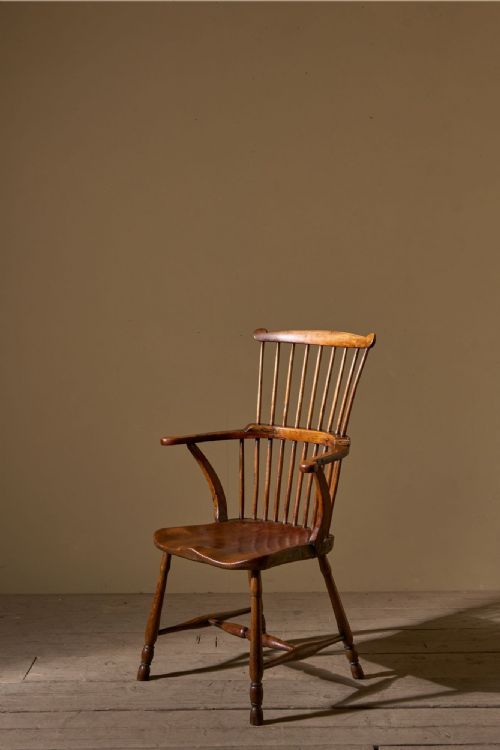
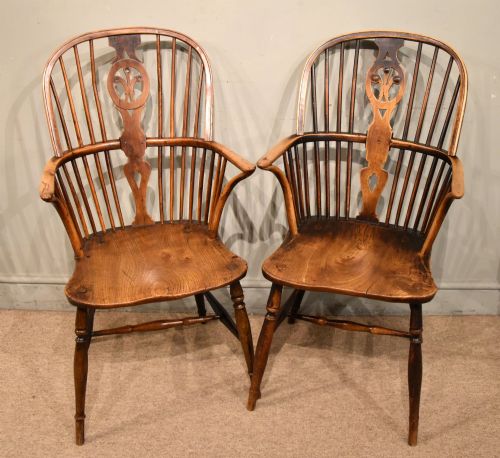
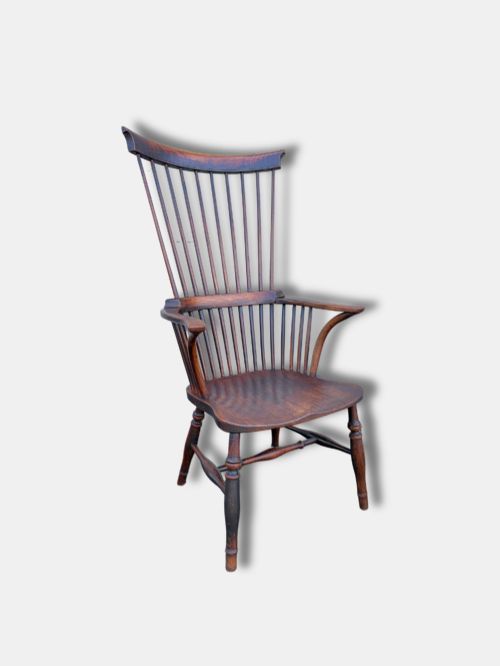
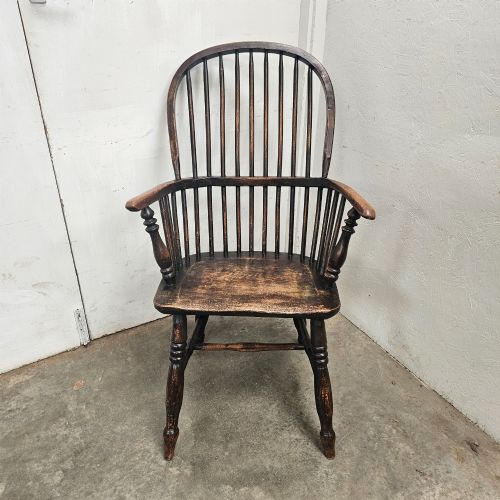
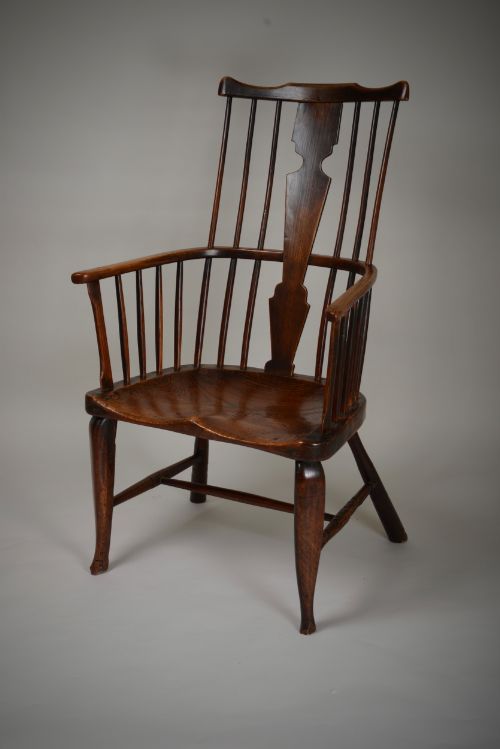
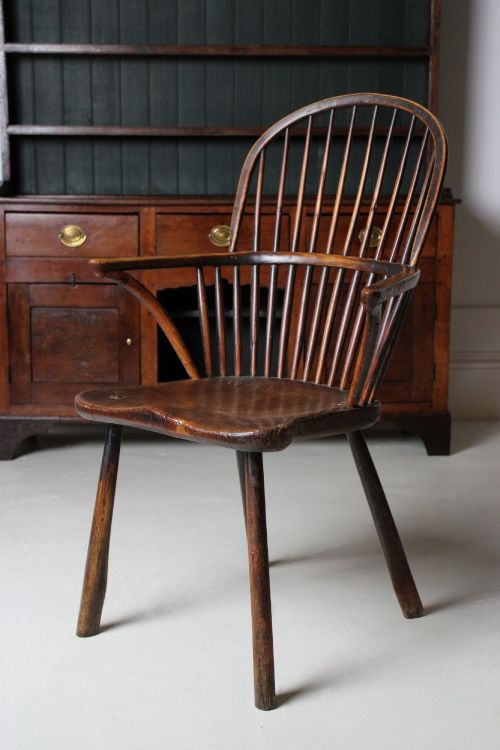
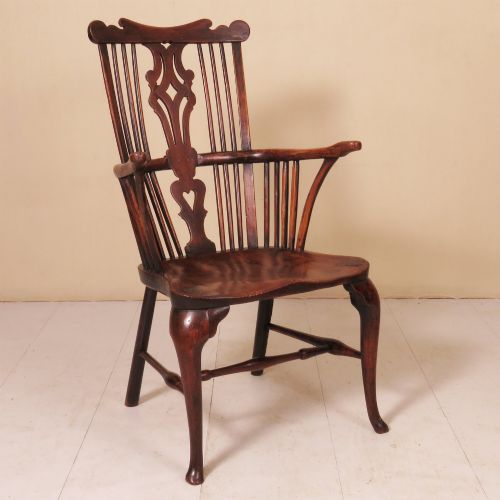
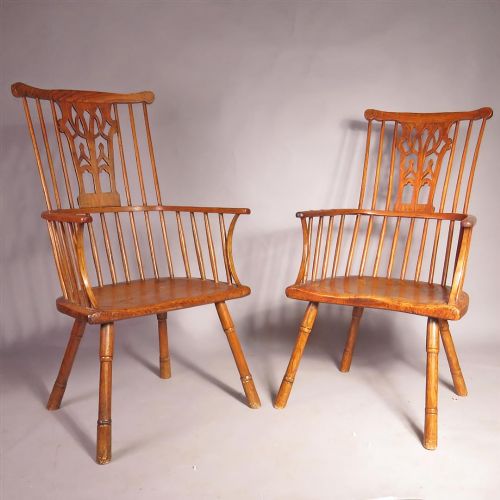
Comb Back Windsor Armchair
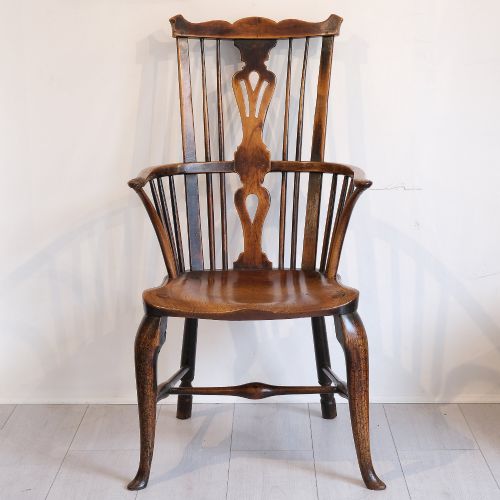
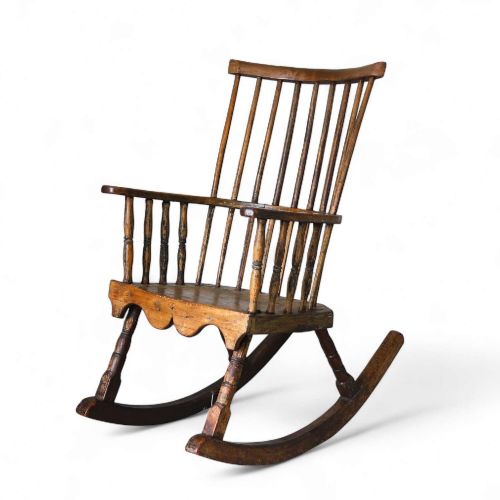
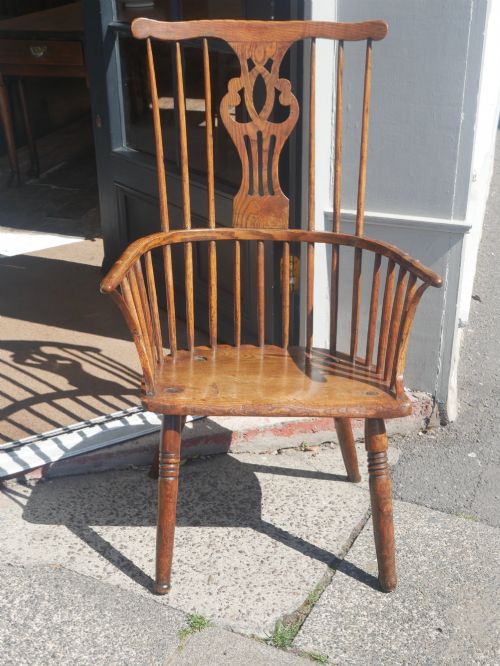
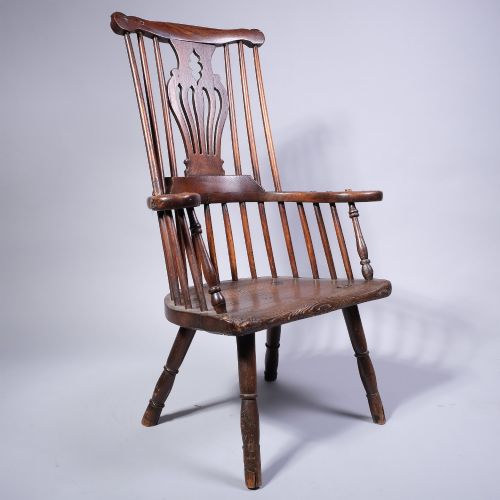
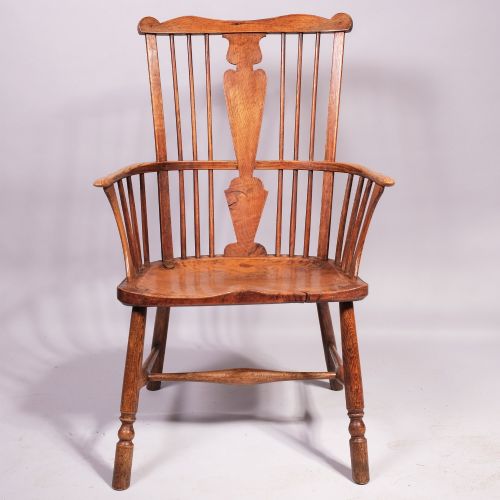
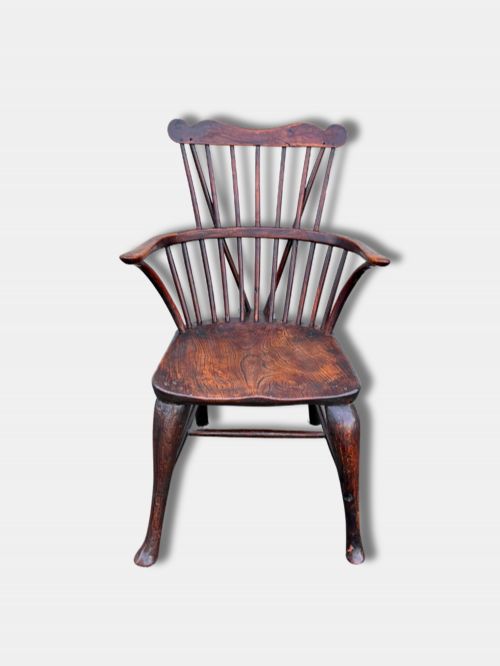
A comb back windsor armchair brings tactile warmth and robust vernacular character to a room through its expressive stick construction and sculpted wooden seat.
Comb Back Windsor Armchair
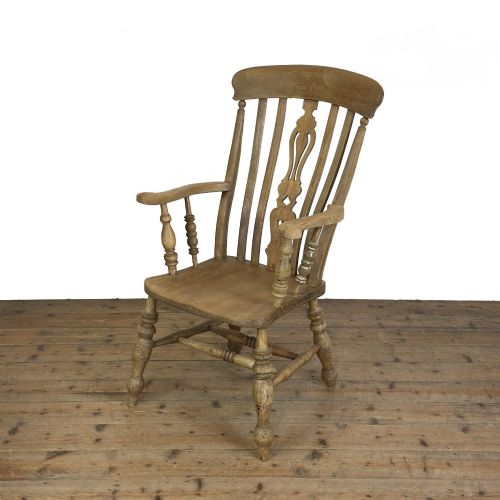
A comb back windsor armchair is a distinctive form of wooden seating defined by an extended vertical backrest topped with a horizontal comb piece. When buyers search for a comb back windsor armchair, they encounter examples rooted in regional English traditions from the eighteenth and nineteenth centuries. These seating pieces combine turned legs, curved arm bows, and numerous individual spindles that pass through or frame the seat.
Buyers also encounter variations incorporating fruitwood, yew, oak, and beech, alongside specific regional sub-types such as lobster pot designs and stick chairs. Whether originating from workshops in Snowdonia, the Thames Valley, or general provincial settings, each chair displays individual quirks in carving and spindle arrangement. The overarching appeal lies in the honest joinery and the visible grain of aged timber.
How they were made
Traditional makers built these chairs using a combination of green woodworking techniques and seasoned hardwoods for different structural components. The heavily sculpted seats were typically turned from single blocks of elm or sycamore to provide a comfortable, dished surface. Into these thick seats, legs and back spindles were wedged and tenoned securely without the use of metal fixings.
The distinctive comb back top rail and the surrounding arm bows required straight-grained timber, usually ash or oak, which could be steam-bent into sweeping curves. Slender spindles were shaved by hand using drawknives and spoke shaves, then fitted between the seat and the upper framework. This composite method distributed weight effectively and allowed the wood to accommodate seasonal humidity changes.
Surface finishing relied on natural oils, waxes, and centuries of handling to develop a deep, mellow patina across the mixed timbers. Regional workshops utilised locally available trees, meaning a single chair might combine ash spindles, an elm seat, and fruitwood arms. The resulting construction is remarkably resilient, holding together through interlocking wooden joints and wedged tenons.
The archive spans regional variations from Thames Valley workshops to Welsh and Scottish vernacular traditions.
What varies in quality
Quality in these seating pieces rests upon the boldness of the sculptural work and the harmony of the proportions. The depth and shaping of the solid wood seat determine how successfully the maker combined ergonomics with rustic aesthetics. Strong, sweeping arm bows and well-balanced comb crests separate superior provincial examples from standard utility seating.
The integrity of the original construction and the preservation of the surface patination dictate the standing of an individual piece. Chairs retaining their original wedged legs and undisturbed spindle arrangements demonstrate higher craftsmanship than those altered by later repairs or replacement components. Timber selection also plays a role, with richly figured elm seats and contrasting ash or fruitwood framing elevating the visual depth.
George Wilson
The Comb Back Windsor Armchair Glossary
- Comb back
- A Windsor chair style featuring an extension of the vertical back spindles topped by a horizontal wooden rail resembling the shape of a traditional hair comb. This upper rail often terminates in carved scroll or ear pieces.
- Windsor chair
- A chair built with a heavy solid wooden seat into which the legs and back spindles are independently inserted. The design relies on stick-construction methods rather than a conventional frame.
- Vernacular
- Objects designed and built by regional craftsmen following local traditions and practical needs rather than academic architectural rules. These pieces celebrate utility and local material availability.
- Patina
- The deep, lustrous surface sheen developed over decades and centuries through handling, polishing, and natural oxidation of the wood. It offers visual evidence of age and continuous use.
- Tenon
- A projecting tongue of wood machined or carved to fit snugly into a mortise hole to form a tight joint. Windsor chairs use wedged through-tenons where the leg passes completely through the seat.
Comb Back Windsor Armchair: Frequently Asked Questions
What is a comb back windsor armchair?
A comb back windsor armchair is a traditional wooden seat featuring a solid sculpted bottom, turned legs, and an extended backrest topped with a horizontal rail. The design uses numerous vertical spindles that pass through the arm bow to support the sitter's back.
These chairs were produced across various English regions during the Georgian and Victorian eras, combining utilitarian strength with distinct local styles.
How were these chairs used historically?
These seating pieces served as primary functional chairs in farmhouses, kitchens, and provincial dwellings throughout the countryside. Their robust construction made them suitable for daily domestic tasks near hearths and dining tables.
Over generations, they moved from working farm environments into parlours and studies as appreciation for their honest craftsmanship grew.
How should I live with one?
Living with a historic wooden chair involves placing it away from direct heat sources and sudden temperature fluctuations that can dry out the timber. Regular dusting and occasional gentle waxing help maintain the natural surface sheen and protect the aged grain.
Their versatile proportions allow them to sit comfortably in contemporary or traditional interiors, serving as reading chairs or desk seating.
How do I tell regional styles apart?
Regional styles reveal themselves through subtle differences in wood selection, spindle arrangements, and the shaping of the arm bows and comb crests. For instance, Thames Valley examples often exhibit refined turning and cherry or yew timbers, while Welsh variants frequently employ thick ash sticks and burr elm.
Examining the contour of the seat and the rake of the legs helps attribute a piece to specific provincial traditions.