



Comb Back Desk Chairs
Comb back desk chairs bring robust regional craftsmanship and ergonomic country character into modern workspaces.
Comb Back Desk Chairs
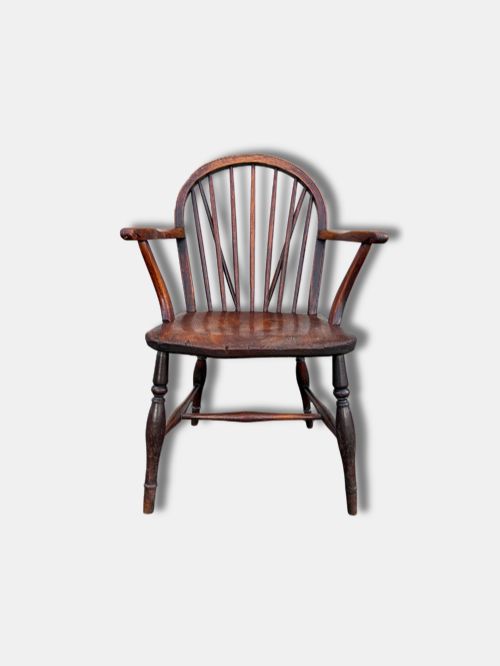
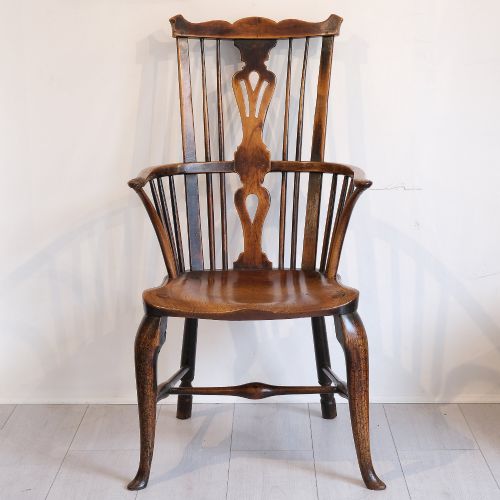
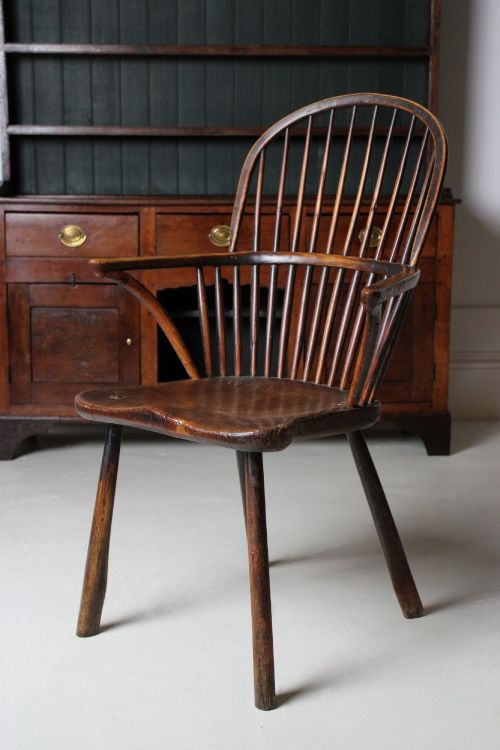
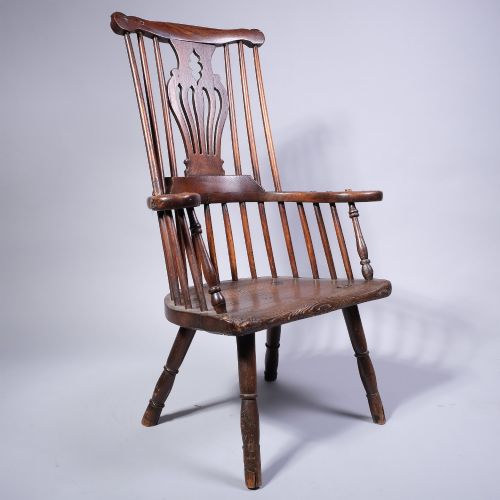
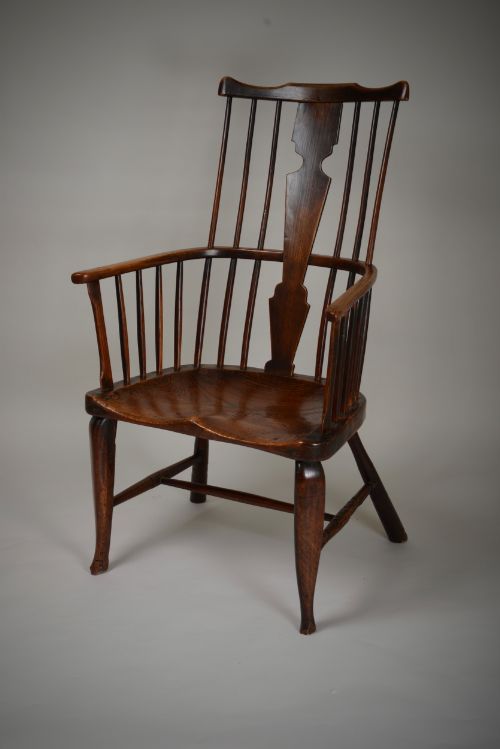
Comb back desk chairs represent a specialised form of Windsor seating where the spindle tops pass through a horizontal crest rail, creating a comb-like profile. These functional seats appear primarily in eighteenth-century and nineteenth-century vernacular styles, embodying sturdy English country traditions.
Makers designed these armchairs with supportive high backs and broad seats to serve practical daily work. The selection on this page centres on regional variations in ash, elm, and oak, reflecting historical domestic use rather than formal London workshops.
How they were made
Craftsmen built these chairs using mixed-wood construction, typically pairing tough ash for the structural spindles and legs with deeply saddled elm for the solid plank seats. Regional turners shaped the undercarriages on pole lathes, while steam-bending yielded the arched bow and crest rails.
Makers wedged and pegged the tenons through the seat plank to ensure lasting structural rigidity. Secondary timbers such as alder, cherrywood, and oak also appear in regional interpretations across English and Welsh vernacular traditions.
Comb Back Desk Chairs Retail Price Guide 2026
Typical asking prices for comb back desk chairs among the pieces listed under this phrase on Sellingantiques today, from the lower quarter to the upper quarter. They describe what is for sale here now, not the wider market.
What varies in quality
Quality rests in the harmony of timber selection and the retention of original surface patination. Chairs featuring distinct grain contrast between the ash framework and the figured elm seat demonstrate superior material choice by the maker.
Proportion and the integrity of the comb rail dictate the aesthetic standing of each piece. Retaining the original leg height and undisturbed wedge joints separates a genuine historic survivor from a heavily restored example.
The Comb Back Desk Chairs Glossary
- Comb back
- A Windsor chair variation where the vertical spindles extend above the main bow to join a flat upper crest rail. This design provides robust shoulder support.
- Vernacular
- Objects built by regional makers following local traditions rather than strict academic style guides. These pieces prioritize function and available local timbers.
- Saddled seat
- A solid timber seat carved into a concave, ergonomic shape resembling a horse saddle. It ensures comfort during long hours of sitting at a desk.
- Spindle
- A slender, turned wooden rod forming the structural infill of the chair back. Makers tapered these elements to balance strength with visual lightness.
- Underframe
- The assembly of legs and connecting stretchers beneath the seat. Sturdy turnings here prevent the chair from wobbling under daily pressure.
Comb Back Desk Chairs: Frequently Asked Questions
What is a comb back desk chair?
A comb back desk chair is a traditional wooden seating form featuring an extended upright back topped by a horizontal crest rail.
These pieces combine sturdy country construction with ergonomic seat carving, making them practical choices for regular daily use at a writing table.
How were these chairs used historically?
These armchairs served utilitarian functions in domestic, regional, and commercial settings where durability mattered most.
Their robust construction and supportive high backs suited long periods of administrative or literary work before specialised office seating evolved.
Which woods are most common?
Ash and elm appear most frequently in the construction of these traditional regional chairs.
Makers utilised ash for its exceptional bending strength in the spindles and legs, while elm provided a split-resistant, heavily grained surface for the solid plank seat.
How do I date an 18th century chair?
Dating relies on observing tool marks, timber shrinkage, construction methods, and regional design traits.
Earlier examples often display hand-turned undercarriages and worn surfaces that reflect decades of continuous domestic or workspace habitation.