

Comb Back Country Chairs
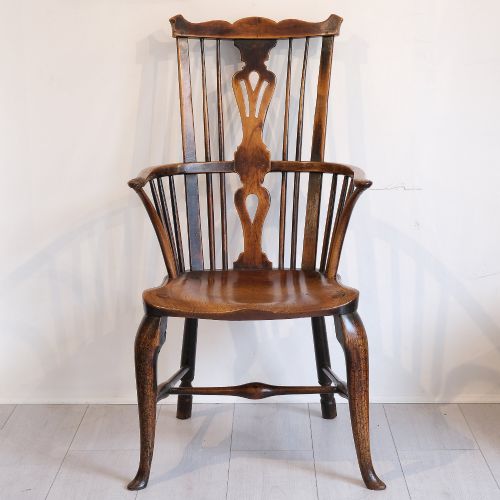
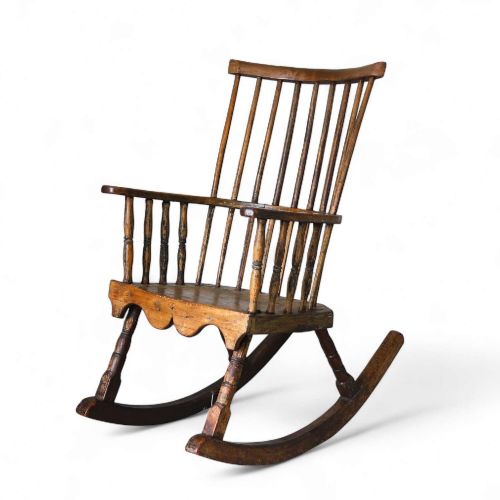
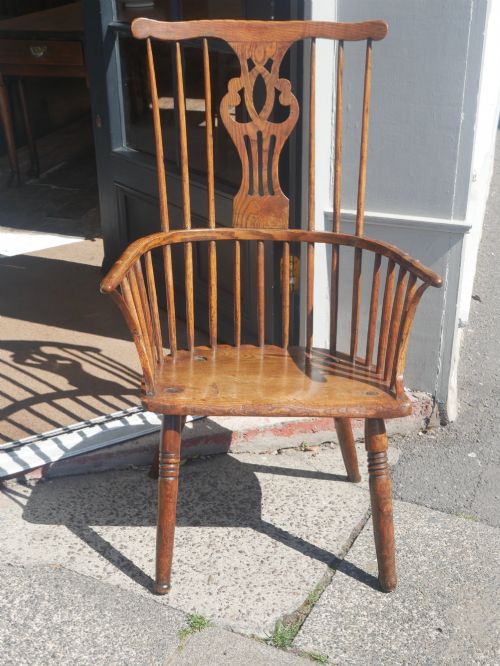
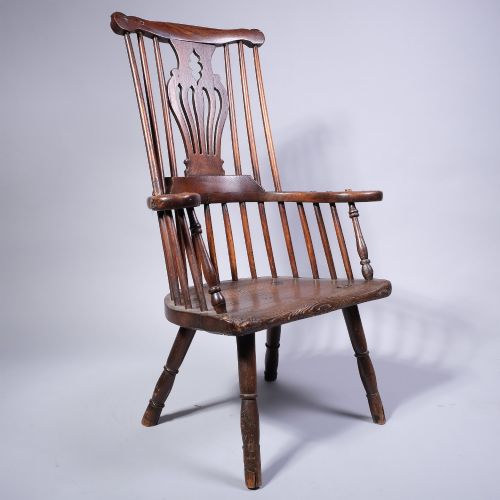
Comb back country chairs are robust wooden seats with tall spindle backs, offering enduring rustic charm and sturdy comfort.
Comb Back Country Chairs
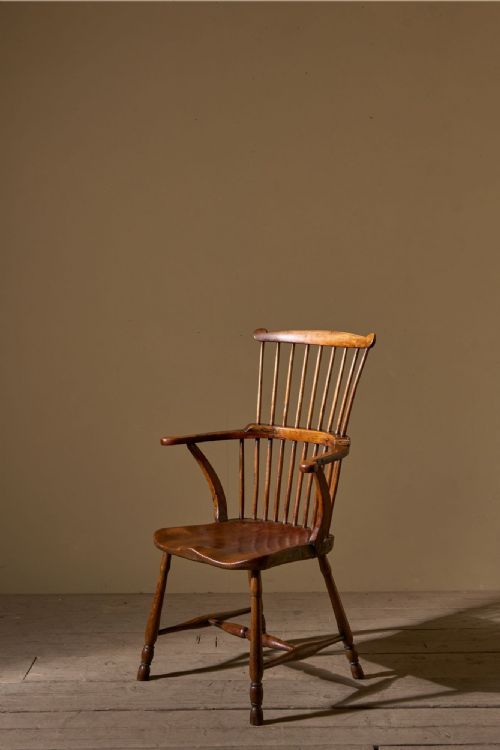
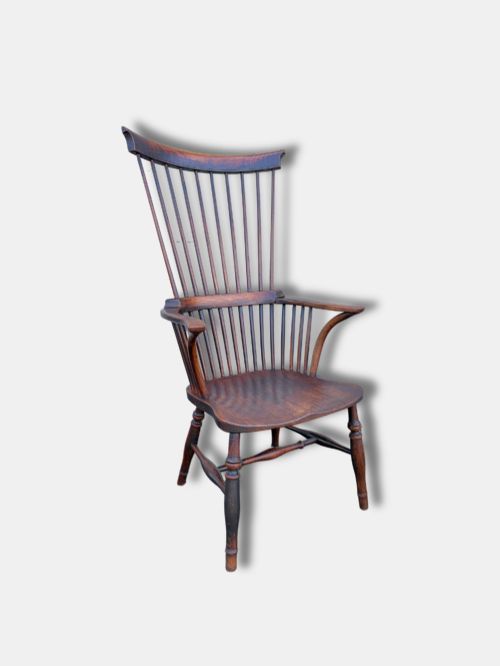
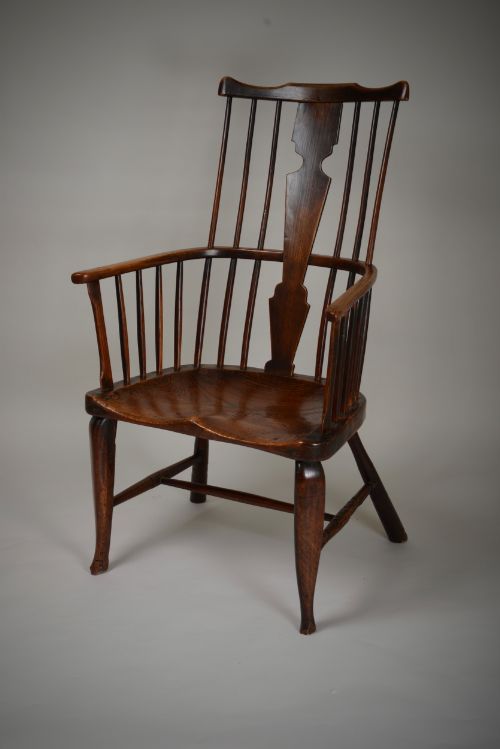
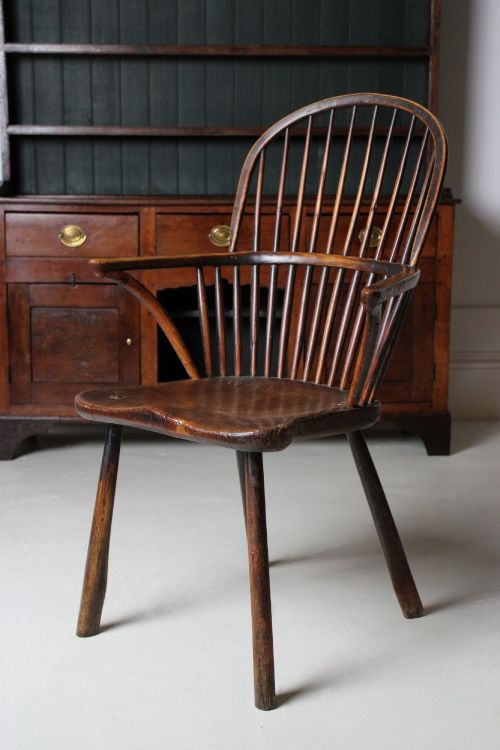
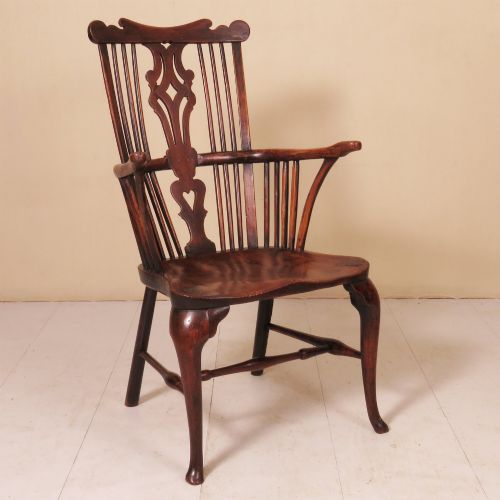
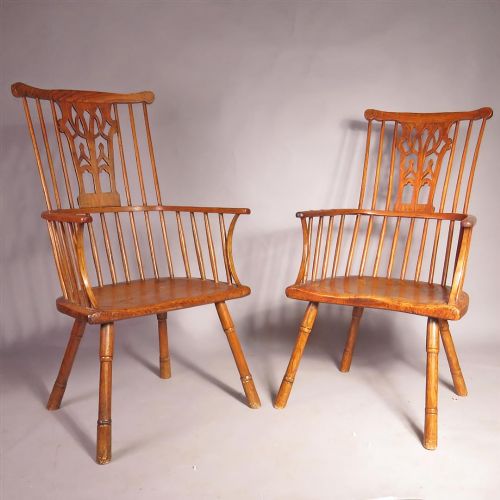
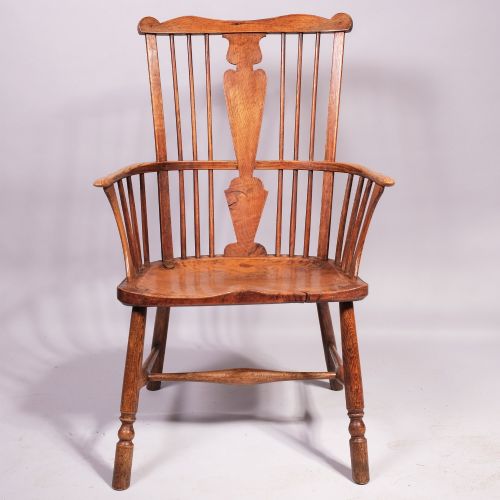
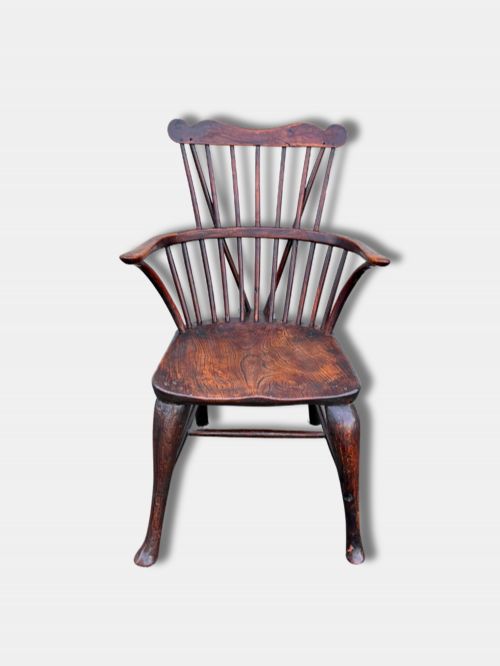
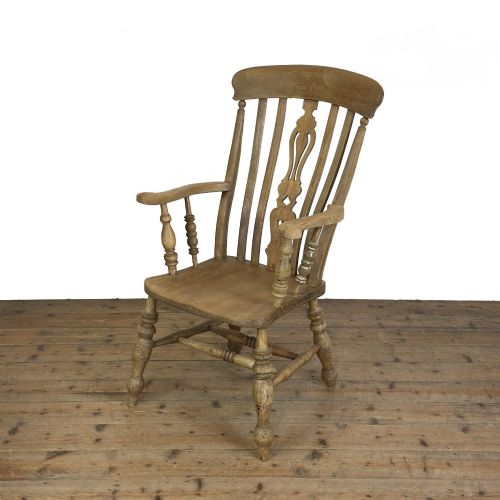
Comb back country chairs are traditional wooden seating forms characterised by a distinct headrest rail resembling a classic hair comb surmounting a spindle back. When you explore this selection, you encounter pieces originating from the eighteenth and nineteenth centuries, spanning Georgian, Regency, and Victorian eras.
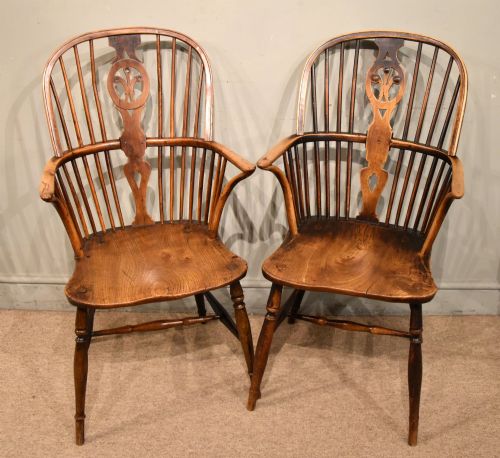
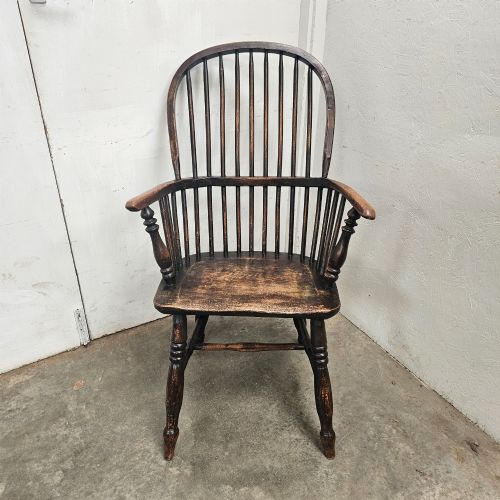
The assortment contains armchairs, dining chairs, and rocking chairs built within regional traditions such as the Thames Valley, Welsh valleys, and West Country. Most examples combine robust elm seats with ash spindles and framing, creating a vernacular aesthetic suited to domestic life.
How they were made
Maker construction methods rely on solid timber combinations, predominantly pairing carved elm for the saddle seat with flexible ash for steam-bent back bows and spindles. Additional timbers such as oak, fruitwood, beech, yew, alder, and sycamore appear across regional variants.
Green woodworking techniques shape the components before shrinkage locks the joints tightly together in traditional Windsor construction. Individual parts are hand-turned or shaved, producing sturdy frames held by wedges and tenons without reliance on metal fasteners.
Certain Welsh and Thames Valley examples include snake head carvings on the armrests.
What varies in quality
Quality rests upon the proportion and grace of the back comb, the sculptural depth of the sculpted elm seat, and the harmony of the spindle arrangement. Superior examples demonstrate confident shaping by regional makers who balance structural robustness with visual lightness.
The choice of secondary timbers and the retention of original surface patination influence the character of each piece. Gradations in quality emerge from the fluidity of the arm scrolls and the integrity of the original wedged joints.
The Comb Back Country Chairs Glossary
- Comb back
- A Windsor chair variation where the back spindles extend upward through a horizontal top rail, creating a shape reminiscent of a dressing comb.
- Windsor chair
- A chair built with a solid wooden seat into which the legs and back spindles are driven directly.
- Vernacular
- Objects designed by local craftsmen using regional traditions and readily available native timbers rather than following strict metropolitan stylistic canons.
- Saddle seat
- A thick wooden seat base sculpted with hollows for ergonomic comfort during extended periods of sitting.
- Spindle
- A slender, turned wooden rod used vertically to form the supportive structure of the chair back.
Comb Back Country Chairs: Frequently Asked Questions
What is a comb back country chair?
These are traditional wooden seats featuring a distinctive top rail that resembles a comb above a spindle back. They combine functional durability with regional craftsmanship.
Craftsmen built them using native timbers like ash and elm to serve everyday domestic and farmhouse needs.
How do I date a comb back chair?
Dating relies on observing structural details, tool marks, timber selection, and regional design characteristics from the eighteenth and nineteenth centuries.
Earlier pieces often exhibit primitive vernacular traits and hand-carved components, whereas Victorian examples display more standardised manufacturing methods.
Where were these chairs made?
Regional workshops across Britain produced these seats, with notable traditions developing in the Thames Valley, Welsh valleys, and the West Country.
Local timber availability and distinct regional joinery preferences shaped the specific appearance of chairs from each area.
How do I care for antique wooden chairs?
Preserve the timber by keeping chairs away from direct heat sources and sudden humidity changes that can cause wood to split.
Apply occasional appropriate wax polish to nourish the surface and maintain the natural patination built up over centuries.