






Colonial Desk Box
These colonial desk boxes are portable writing boxes and slopes built for travel across the British Empire, offering fitted compartments for correspondence.
Colonial Desk Box
When you search for a colonial desk box, you encounter portable writing slopes, stationery boxes, and desktop storage chests designed for use in distant territories. These pieces typically date from the nineteenth century, including Victorian periods, 1880, 1900, 1910, and circa 1840.
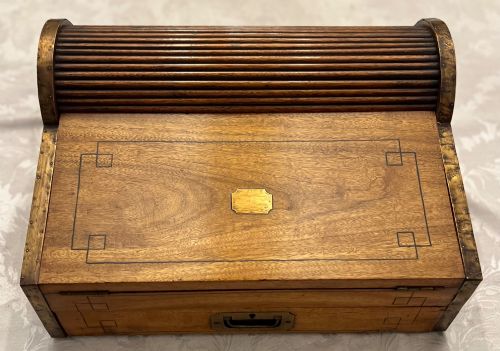
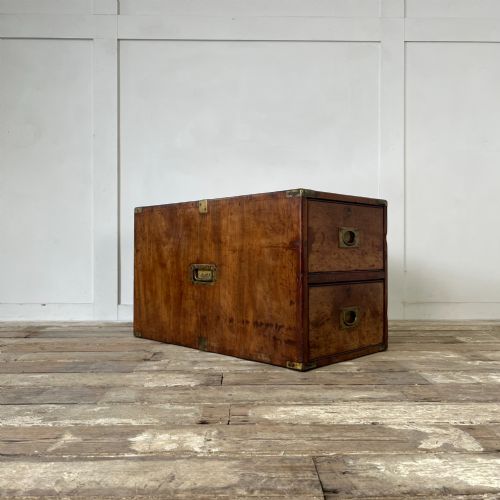
Forms vary from standard writing boxes and writing slopes to correspondence boxes, desktop campaign chests, and roll top writing slopes. Many incorporate specialised compartments for inkwells, pens, and paper, constructed to withstand the rigours of transit.
How they were made
Cabinetmakers constructed these boxes using dense timbers such as ebony, teak, mahogany, rosewood, sandalwood, hardwood, and camphor wood. These tropical woods provided the structural durability required for fluctuating climates.
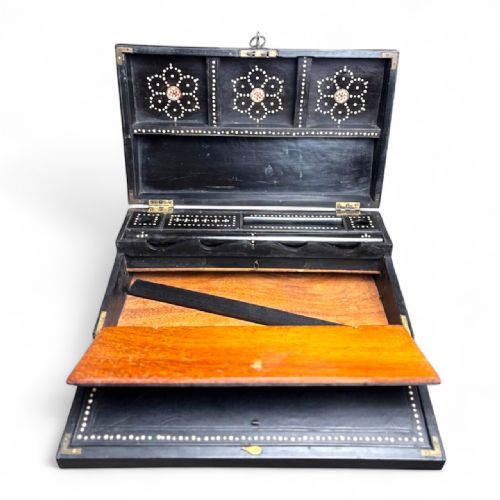
Decoration relied on contrasting materials and intricate craftsmanship, utilising brass for corner mounts and campaign handles. Artisans embedded bone, ivory inlay, antler, and detailed carved wood motifs into the surfaces.
Specialist techniques define the regional output, such as Sadeli work found on Anglo-Indian examples. These methods combined micro-mosaic bone or ivory decoration with precise joinery to create secure, lidded storage.
Colonial Desk Box Retail Price Guide 2026
Typical asking prices for colonial desk box among the pieces listed under this phrase on Sellingantiques today, from the lower quarter to the upper quarter. They describe what is for sale here now, not the wider market.
Materials recorded across the inventory include ebony, camphor wood, teak, mahogany, rosewood, and sandalwood.
What varies in quality
The standard of carving and inlay work dictates the distinction between ordinary utility pieces and exceptional decorative objects. Fine examples display deeply detailed botanical or geometric carving in bone, ivory, and ebony without missing tesserae.
Hardware integrity and timber selection differentiate the execution, where solid ebony or heavily figured camphor wood paired with robust brass mounts represents superior construction. Inferior versions show signs of mismatched timbers or poorly fitted internal compartments.
The Colonial Desk Box Glossary
- Writing slope
- A portable desk featuring a hinged, sloping lid that opens to reveal a slanted writing surface and internal storage wells. These boxes fold flat for secure transport during travel.
- Campaign box
- A piece of furniture or storage designed for military officers on active service, featuring recessed brass handles, reinforced corners, and robust construction. These items were built to dismantle or travel easily.
- Sadeli work
- A form of micro-mosaic craft originating in India, utilising geometric patterns formed from thin rods of bone, horn, and metal. Artisans applied these intricate bands to the exterior of boxes.
- Vizagapatam
- A coastal city in India renowned for luxury export boxes decorated with elaborate engraved ivory and horn veneers. Pieces from this tradition often feature intricate floral and figural motifs.
Colonial Desk Box: Frequently Asked Questions
What is a colonial desk box?
A colonial desk box is a portable writing container produced during the nineteenth century for British officials and military personnel stationed overseas. These pieces functioned as mobile offices for writing letters and storing documents.
They combine robust structural timbers like ebony or camphor wood with fitted internal compartments, inkwells, and folding writing surfaces. Many feature brass campaign mounts and intricate local decorative techniques.
How were campaign boxes used?
Campaign boxes served as portable writing desks and storage chests for individuals travelling or serving in the British military. Their design allowed officers to carry stationery and write correspondence in temporary quarters.
Recessed brass handles and reinforced corners protected the box during frequent transport. Once opened, the sloping lid provided a stable writing surface away from permanent furniture.
How do I identify Anglo-Indian boxes?
Anglo-Indian boxes are identified through their distinct use of tropical hardwoods, such as solid ebony, combined with traditional regional carving and inlay. Materials like bone, ivory, and antler frequently appear in the surface decoration.
Regional styles like Sadeli micro-mosaic work or intricate floral carving separate these items from standard domestic British stationery boxes of the Victorian period.
How do I care for antique wood and ivory?
Caring for antique wood and ivory involves maintaining stable room humidity and avoiding direct sunlight, which causes timber to split and ivory to dry out. Dusting with a soft, dry cloth preserves the polished finish.
Harsh chemical polishes should be avoided on both the timber surfaces and delicate bone or ivory inlays. Proper placement away from direct heat sources protects the historical glues and joinery.