



Collectible Wooden Boxes
These collectible wooden boxes bring domestic history into the hand, offering functional craftsmanship from Georgian, Regency and Victorian eras.
Collectible Wooden Boxes
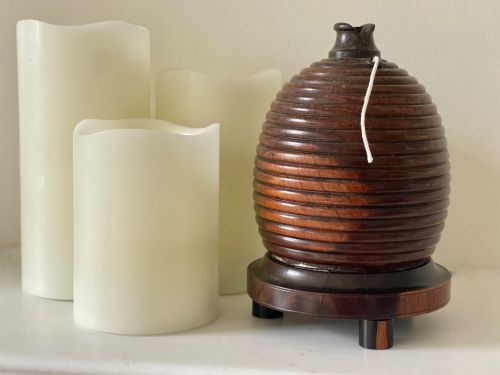
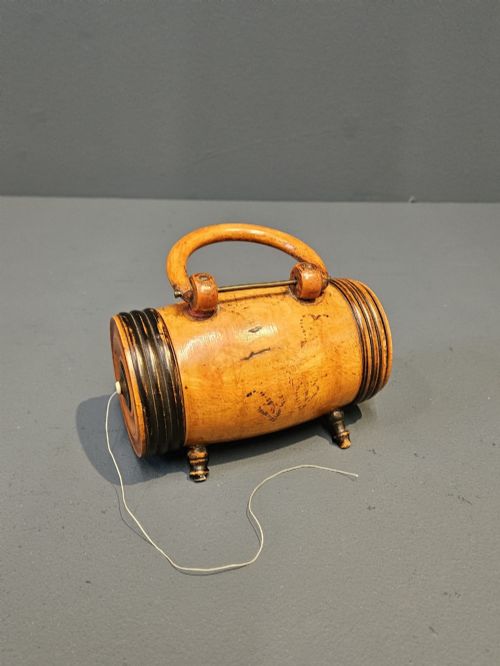
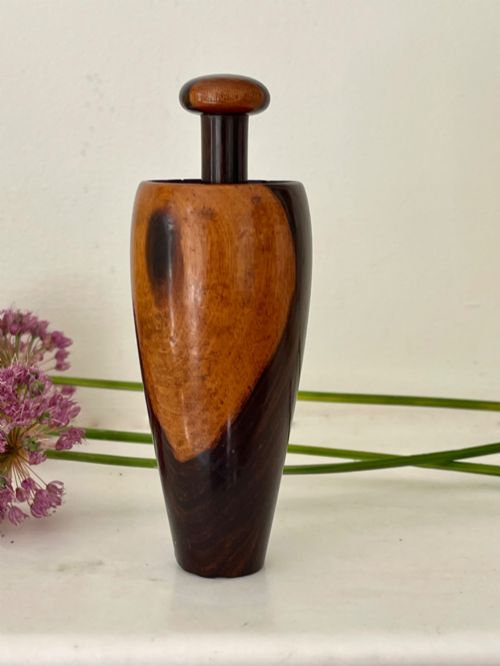
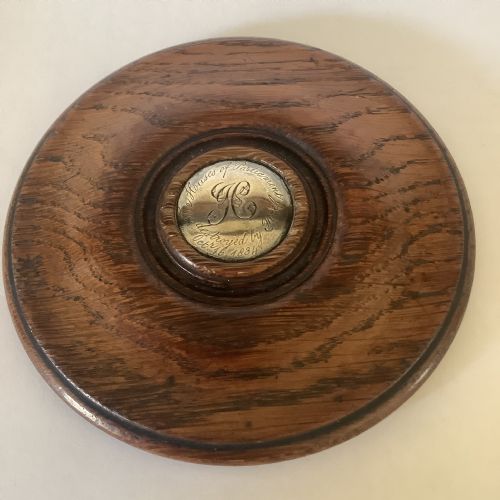
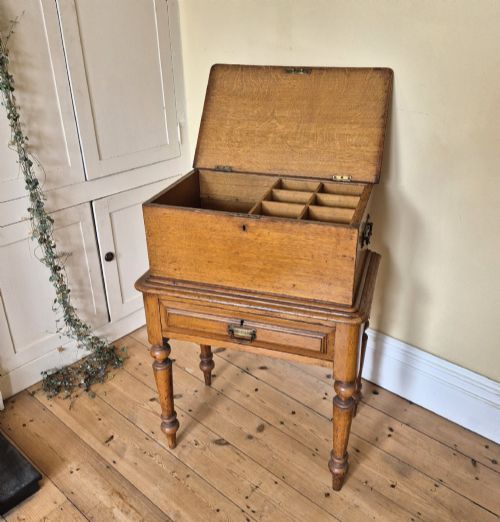
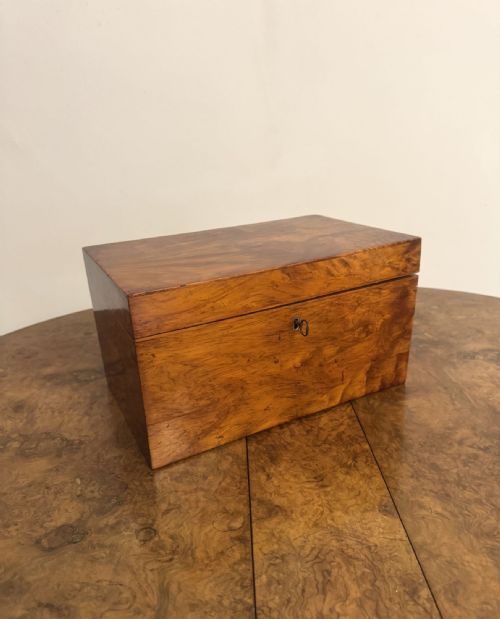
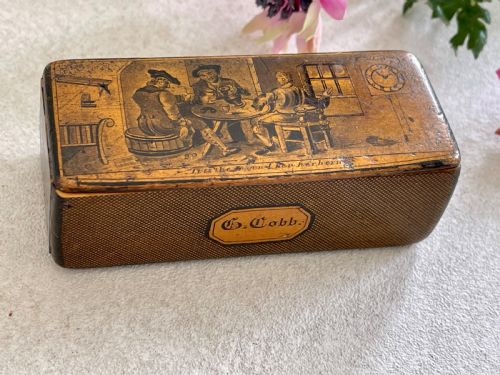
Collectible wooden boxes encompass a diverse range of utilitarian and decorative objects, most frequently originating from the nineteenth century. Buyers encounter pocket-sized snuff boxes, tea caddies, desk accessories and novelty treen items like string barrels and nutmeg graters.
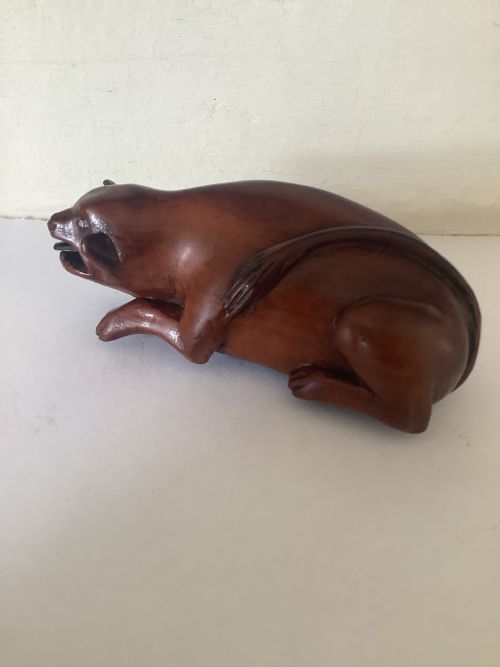
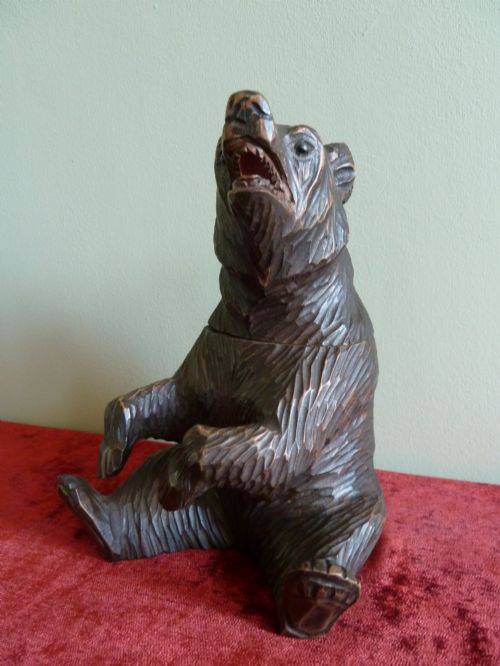
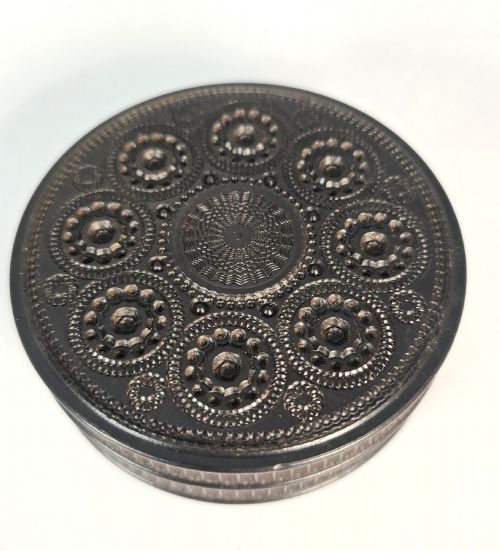
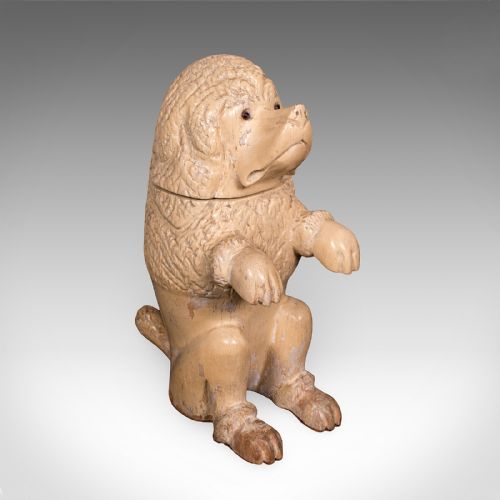
The material record spans traditional cabinet timbers alongside folk art carvings and prisoner-of-war pieces. Pieces include regional work such as Tunbridge Ware, Black Forest carvings and Scottish laburnum items.
Domestic containers dominate the selection, ranging from apothecary chemist jars and pill rounders to music boxes and miniature apprentice chests. These items reflect everyday storage needs and personal habits of past centuries.
Materials and Techniques
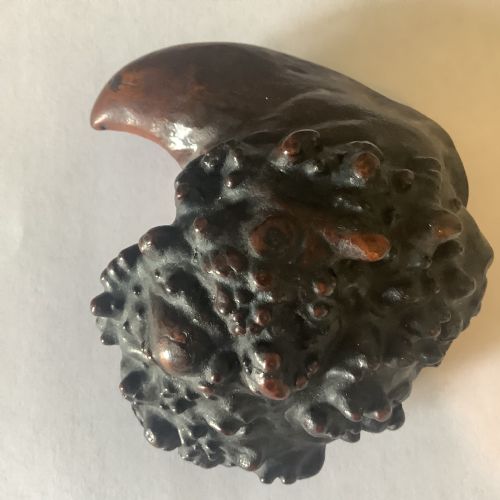
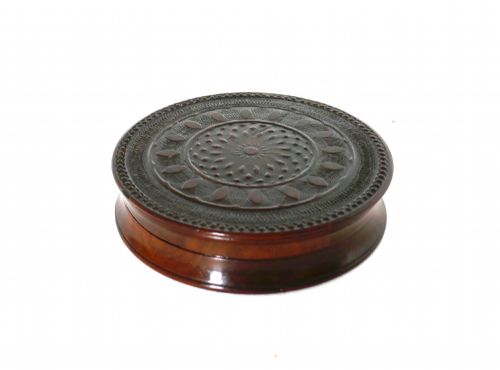
Carpentry and turning define the construction of these objects, utilising dense hardwoods such as oak, walnut, mahogany, fruitwood, boxwood and laburnum. Artisans employed lathe work to produce engine-turned patterns on small items like snuff boxes and barrels.
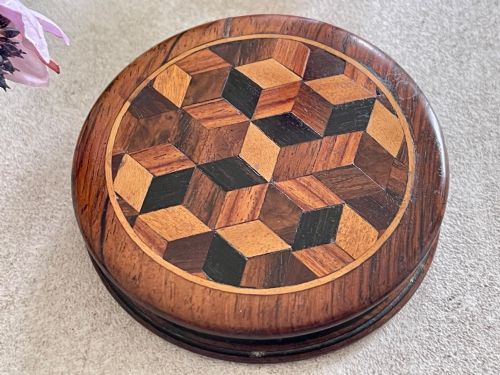
Surface decoration relies on specialised techniques including intricate pen work, Tunbridge mosaic inlay and detailed hand-carving. Materials such as brass, glass and tortoiseshell frequently supplement the woodwork in handles, hinges and decorative panels.
Collectible Wooden Boxes Retail Price Guide 2026
Typical asking prices for collectible wooden boxes among the pieces listed under this phrase on Sellingantiques today, from the lower quarter to the upper quarter. They describe what is for sale here now, not the wider market.
Craftsmanship and Distinction
Quality rests in the precision of the turning and the depth of hand-carving, distinguishing finely detailed figural items from standard utilitarian wares. Material selection also dictates value, with well-figured burr walnut and exotic woods showing superior visual depth.
G Cobb·Jaques·Faudels Of London
The Collectible Wooden Boxes Glossary
- Treen
- Small handmade wooden household objects. These items range from utilitarian kitchen implements to decorative desk accessories.
- Tunbridge Ware
- Woodware decorated with mosaic patterns formed from tiny coloured wood prisms. It originated in Kent during the Georgian and Victorian periods.
- Snuff Box
- A small hinged container used to hold ground tobacco. They were often carved into novelty shapes or decorated with pen work.
- Tea Caddy
- A box designed to store loose tea leaves securely. Regency and Victorian examples frequently feature fine walnut or mahogany construction.
- Engine-Turned
- Geometric ornamentation applied to wood or metal using a lathe. This technique produces precise, repeating decorative lines.
- Nutmeg Grater
- A pocket-sized container housing a metal rasp and a compartment for whole nutmegs. They were popular accessories for dining and travel.
Collectible Wooden Boxes: Frequently Asked Questions
What were small treen boxes used for?
These small wooden containers served various everyday storage purposes for personal items like tobacco, snuff, spices and sewing gear.
People carried pocket versions daily or kept desk accessories in parlours and studies for convenience and organisation.
How do I identify Victorian wooden boxes?
Victorian examples often display characteristic darker hardwoods like walnut and mahogany, frequently enhanced with Tunbridge mosaic inlay or heavy turning.
Stylistic markers lean toward ornate domestic utility, detailed carving and specialised compartments suited to nineteenth-century habits.
What is Tunbridge Ware?
Tunbridge Ware is a distinct type of decorative woodwork characterised by mosaic designs built from thousands of tiny coloured wood blocks.
Craftsmen arranged natural wood tints to depict floral motifs, geometric bands or architectural scenes on boxes and stacking pots.
How should I care for antique wooden boxes?
Keep wooden boxes away from direct sunlight and sudden temperature fluctuations to prevent the wood from drying out or warping.
Maintain the surface by dusting with a dry cloth and occasionally applying a suitable wax if the finish requires nourishment.