



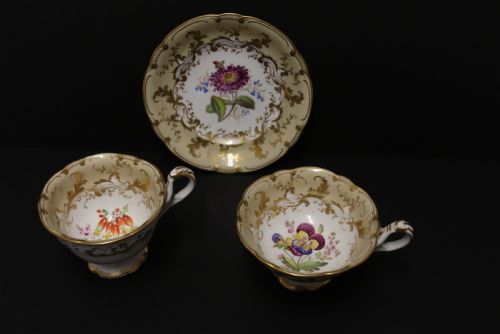


Collectible Tea Set
These collectible tea set pieces span Georgian porcelain to solid silver services, offering period craftsmanship and refined utility for the table.
Collectible Tea Set
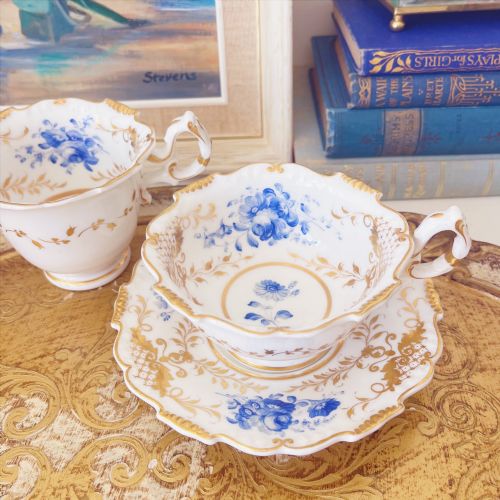
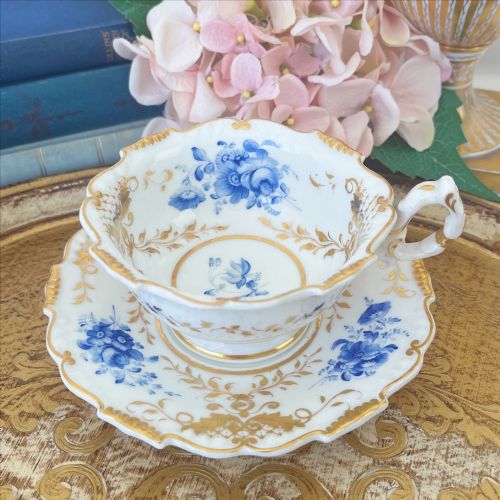
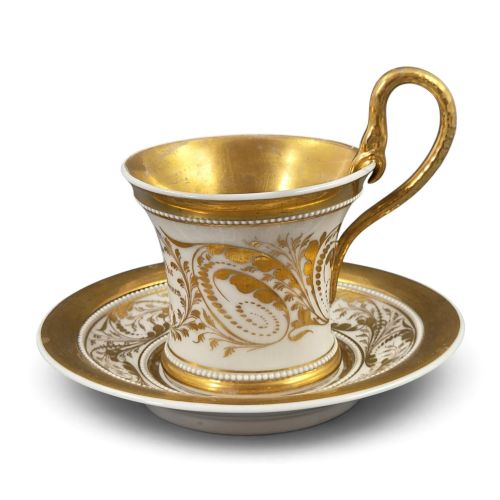
A collectible tea set encompasses diverse forms ranging from individual teacups and saucers to complete tea and coffee services housed in fitted cases. Buyers frequently encounter nineteenth-century English porcelain trios alongside twentieth-century demitasse cups and sterling silver spoons.
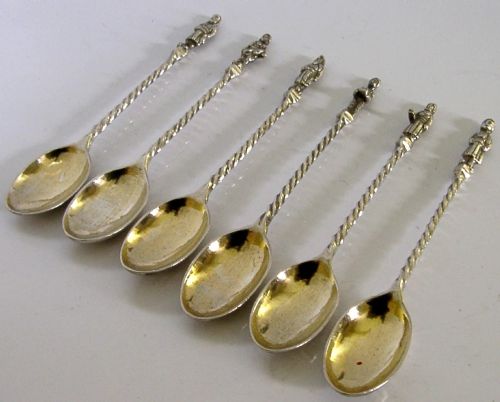
The material evidence bridges delicate bone china and porcelain with solid silver and heavy Ottoman silver figural spoons. Pieces emerge from notable periods including the Georgian era, Victorian times, and the Edwardian epoch, displaying varied styles such as Regency, Rococo Revival, and Biedermeier.
Materials and construction
Porcelain and bone china forms rely on careful handpainting, intricate gilding, and gold leaf application. Makers such as H & R Daniel and Flight Barr & Barr shape these ceramic components during the early nineteenth century.
Silver items utilise solid silver and sterling silver standards, featuring hallmarks from provincial assay offices like Exeter alongside Sheffield markers like Harry Atkin. Enamel and wood often supplement these metallic and ceramic creations.
Collectible Tea Set Retail Price Guide 2026
Typical asking prices for collectible tea set among the pieces listed under this phrase on Sellingantiques today, from the lower quarter to the upper quarter. They describe what is for sale here now, not the wider market.
Heavy Ottoman figural spoons bring an unexpected narrative of travel and trade to the traditional British tea table.
Evaluating the standard
Quality rests upon the precision of handpainted decoration, the integrity of gilding, and the presence of original fitted cases. Well-preserved factory marks and identifiable makers elevate specific porcelain trios and silver services above standard domestic wares.
The crispness of figural detail on Ottoman spoons and the clarity of provincial hallmarks distinguish superior metalwork. Complete boxed sets maintain higher integrity compared to dispersed individual cups and saucers.
H & R Daniel·KPM Berlin·Flight Barr & Barr·Hutschenreuter·Davenport·Harry Atkin
The Collectible Tea Set Glossary
- Demitasse
- A small cup used for serving Turkish coffee or strong espresso. These diminutive vessels often accompany larger tea services in twentieth-century ceramics.
- Trio
- A matching set comprising a teacup, a coffee cup, and a saucer. This three-piece grouping appears frequently in nineteenth-century porcelain.
- Hallmark
- An official stamp applied to precious metals indicating the standard of silver, the assay office, and the date letter. Sheffield and Exeter offices feature in these listings.
- Gilding
- The application of gold leaf or gold powder to the surface of porcelain or pottery. It enhances the decorative appeal of Regency and Victorian wares.
- Bone china
- A type of porcelain containing bone ash, known for its high strength, chip resistance, and translucent white body. English potteries utilise this material extensively.
Collectible Tea Set: Frequently Asked Questions
What is included in a tea and coffee service?
A complete service incorporates pots for both tea and coffee alongside matching cups and saucers. These grouped collections often survive inside original fitted wooden cases.
Items may also feature associated sterling silver teaspoons designed for the service. Each component shares stylistic traits characteristic of its specific production period.
How do I identify porcelain periods?
Ceramic dating relies upon factory marks, painted pattern names, and stylistic indicators such as Regency or Rococo Revival shaping. Early nineteenth-century pieces often display handpainted motifs without printed transfer designs.
Maker inscriptions on the base of cups and saucers provide precise attribution. Comparing paste opacity and gilding style helps confirm the manufacturing era.
Are silver spoons part of the set?
Sterling silver teaspoons frequently accompany tea wares, sometimes as boxed sets of five pieces. Provincial assay office marks help determine their exact geographic origin and year of manufacture.
Figural spoons from Ottoman makers also appear alongside ceramic groupings. These silver implements provide functional utility that matches the elegance of porcelain.
How should I display my porcelain?
Porcelain teacups, saucers, and cabinet trios benefit from stable cabinet display away from direct sunlight. This protects delicate handpainted details and gold leaf decorations from fading.
Keeping sets together in designated display spaces preserves their historical context. Avoid stacking fragile cups to prevent rim and handle abrasion.