



Collectible Silver Case
A collectible silver case carries the small daily treasures of the past, offering both portable utility and intricate metalwork for your collection.
Collectible Silver Case
A collectible silver case encompasses a varied group of small containers designed to hold items such as matches, cards, stamps, powder, or sewing gear. When searching for this phrase, you encounter pieces spanning from the Georgian and Victorian eras through the Edwardian period and into Art Deco and Mid-Century designs.
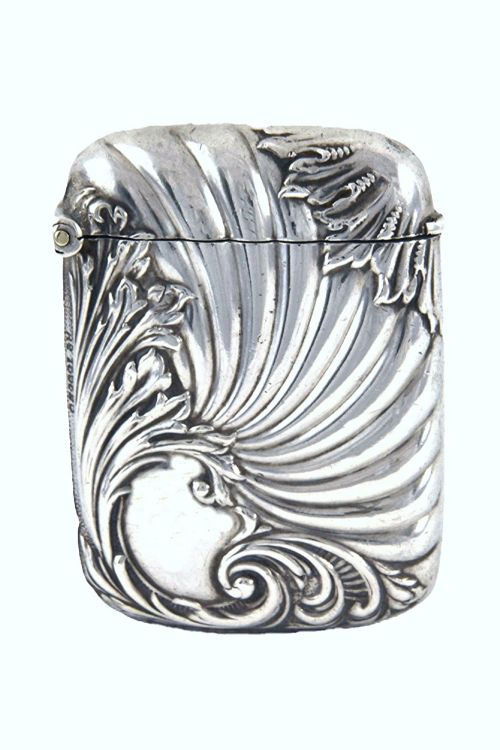
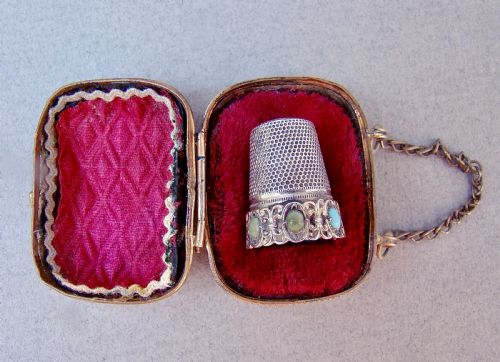
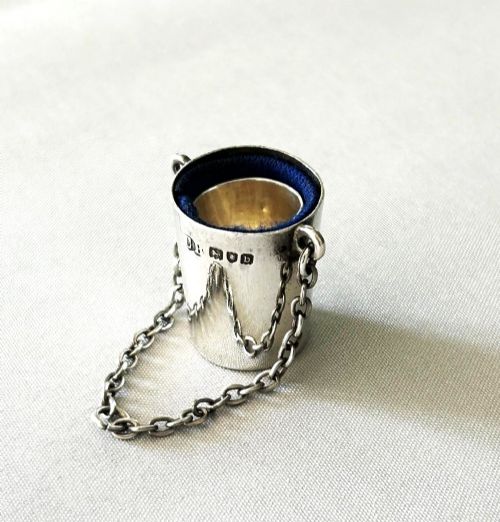
The objects take many forms, including vesta cases, card cases, stamp holders, powder compacts, and fitted presentation boxes. Victorian examples often feature ornate engraving or novelty shapes like animals and buckets, while later Edwardian and Art Deco pieces lean towards geometric lines and enamel decoration.
Materials and Technique
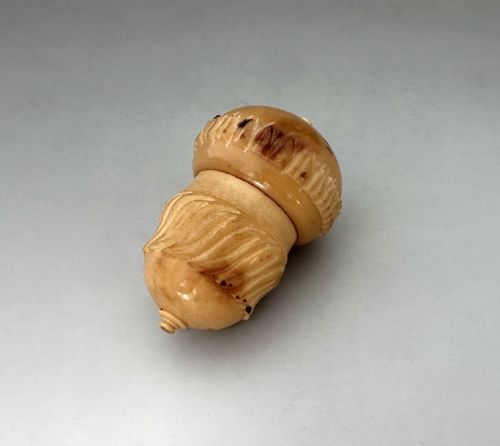
Sterling silver forms the primary structural material for these containers, frequently paired with interior linings of velvet, leather, or satin. Makers also incorporated glass, chrome, and stainless steel in later twentieth-century pieces, alongside organic elements like tortoiseshell and corozo nut.
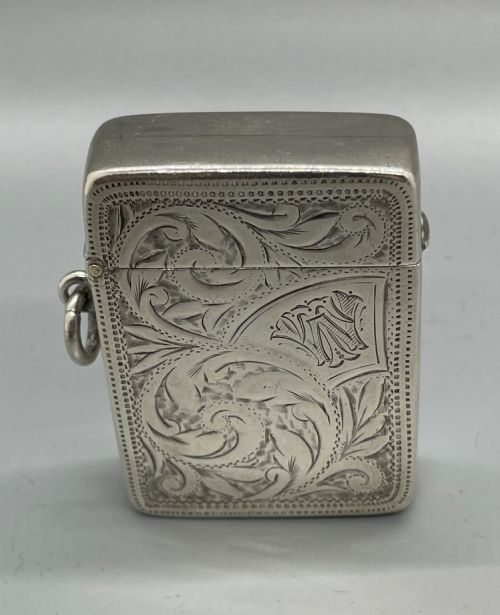
Surface decoration relies heavily on traditional silversmithing techniques such as hand engraving, repoussé, and engine turning. Enamel work adds colour to compacts and vesta cases, while gilt finishes provide a contrasting interior layer within silver boxes.
A tiny silver cat waits patiently inside a modern case, holding its secret hallmarks close.
Craftsmanship and Preservation
The distinction between standard containers and finer pieces rests on the crispness of the hallmarks, the depth of the hand engraving, and the structural integrity of the hinges and closures. Superior examples retain sharp relief in pictorial scenes and figural shapes without excessive wear from handling.
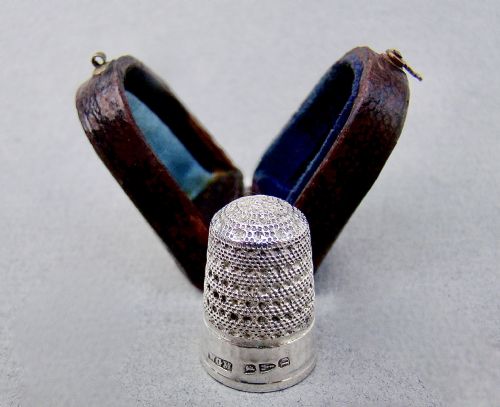
Condition plays a central role, particularly for pieces with fragile elements like glass inserts, applied enamel, or delicate silk and velvet linings. Original fitted presentation boxes and intact maker's marks elevate the standing of a piece within its period.
Blumfeld·Walter and George Myers·Charles Horner·Alfred Clark·Nathaniel Mills·James Deakin and Sons·Harry Atkin
The Collectible Silver Case Glossary
- Vesta case
- A small pocket container designed to hold matches and a striking surface. These boxes gained popularity during the Victorian era alongside the proliferation of safety matches.
- Hallmark
- An official stamp applied to precious metals indicating the standard of purity, the assay office, and the date of manufacture. These marks allow collectors to trace the exact origin of a silver item.
- Repoussé
- A metalworking technique where the artisan hammers the design from the reverse side to form a raised relief on the front. This method creates tactile, highly decorative surfaces on Victorian card cases and vestas.
- Silver-gilt
- Sterling silver that has been coated with a thin layer of gold on its surface. This treatment protects the underlying metal from tarnishing and gives an interior a rich golden appearance.
Collectible Silver Case: Frequently Asked Questions
What did people carry in a vesta case?
A vesta case held short matches known as vestas, which ignited by friction against a rough surface. Smokers relied on these small silver boxes to keep their matches dry and secure in their pockets.
Over time, people also used similar small containers to hold stamps, tickets, or coins as personal accessories evolved through the Victorian and Edwardian periods.
How do I identify the date of a silver case?
You identify the date by examining the hallmarks stamped directly into the silver metal. These tiny symbols typically include a maker's mark, a standard mark for sterling purity, and a date letter.
Comparing the letter punch against official assay office tables reveals the precise year the item passed through testing in cities like London, Birmingham, or Chester.
Are Art Deco compacts made of solid silver?
Art Deco compacts utilise a wider variety of materials than earlier Victorian boxes, frequently combining chrome, base metals, and enamel rather than relying exclusively on sterling silver. Many of these stylish accessories were produced by cosmetics houses and metalworkers using plated finishes.
When precious metal was used, the case usually bears specific hallmarks indicating silver or silver-gilt construction alongside the maker's stamp.
How should I store vintage card cases?
Store vintage card cases in a dry environment away from direct sunlight to protect delicate interior velvet or leather linings from fading and moisture damage. Keeping them in dedicated display cabinets prevents accidental surface scratches.
Avoid using harsh chemical polishes on pieces with engraved details or enamel work, as abrasive cleaning wears away the fine surface decoration over time.