





Collectible Silver Animals
Collectible silver animals bring spirited character to a room, taking the form of miniature figures, walking cane handles, and tablewares.
Collectible Silver Animals
When you search for collectible silver animals, you encounter miniature novelty pin cushions, detailed walking stick handles, and functional silver tablewares modelled in the shape of beasts and birds. These charming pieces span the Victorian and Edwardian eras, alongside Art Deco creations from the early twentieth century.
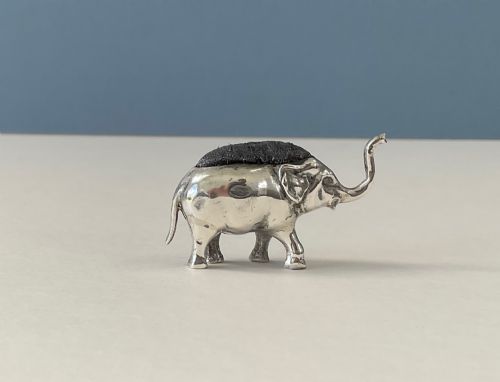
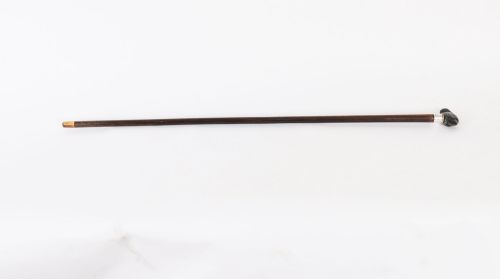
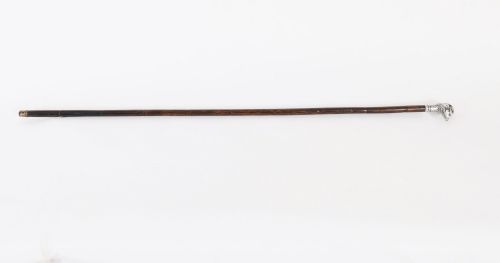
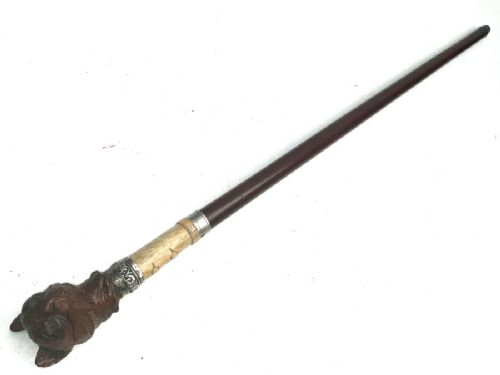
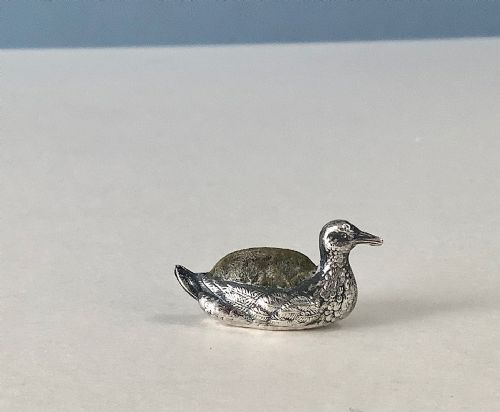
The pin cushions are the form you meet most frequently on this page, depicting figures like pigs, ducks, stags, and bulldog pups. Walking sticks provide another prominent format, featuring duck, parrot, rabbit, and novel handles atop wooden shafts.
Tablewares appear less often, represented by condiment sets shaped like chicks and spoon warmers taking animal forms. Each object combines utility with playful sculptural design, reflecting the Victorians' and Edwardians' fondness for whimsy in daily life.
How they were made
Silversmiths shaped these animals using sterling silver and silver plate, often combining the metal with materials like wood, bone, horn, velvet, and fabric. Walking sticks pair silver handles with hardwood shafts, while pin cushion figures conceal fabric and velvet stuffing beneath their metal shells.
Collectible Silver Animals Retail Price Guide 2026
Typical asking prices for collectible silver animals among the pieces listed under this phrase on Sellingantiques today, from the lower quarter to the upper quarter. They describe what is for sale here now, not the wider market.
A gent holding a cane topped with a silver duck head walked out into the Victorian fog.
What varies in quality
The standard of modelling determines the visual success of each piece, distinguishing lifelike anatomical proportions from crude representations. Naturalistic posture in animals like stags, foxes, and pheasants requires subtle skill from the silversmith.
Condition and completeness of original materials influence the character of the object. Pin cushions retain their integrity when the velvet or fabric inserts remain undisturbed alongside crisp hallmarks on the silver body.
The Collectible Silver Animals Glossary
- Pin Cushion
- A small domestic object designed to hold sewing pins, often cast as an animal in silver during the Victorian and Edwardian periods. These miniature novelties served as desk accessories or dressing table ornaments.
- Novelty
- An object shaped in an amusing or unexpected form, such as a bird, beast, or human figure. Silversmiths applied this design approach to condiment sets, walking canes, and sewing accessories.
- Spoon Warmer
- A Victorian vessel designed to hold hot water for warming table spoons before serving soup or gravy. They frequently took sculptural animal forms to amuse dining guests.
- Sterling Silver
- A silver alloy containing a specific proportion of pure silver and other metals to ensure durability. This standard metal forms the body of most miniature animal figures and condiment sets.
Collectible Silver Animals: Frequently Asked Questions
How were walking sticks decorated with silver animals?
Walking sticks featured cast silver handles shaped into the heads of ducks, parrots, rabbits, and other beasts. These sculptural grips were mounted onto wooden shafts made of hardwood.
Some canes doubled as gadget or sword sticks, concealing corkscrews or blades within the wooden structure beneath the animal handle.
What is a silver chick condiment set?
A silver chick condiment set is a matching table service shaped like young birds, used for holding salt, pepper, or mustard. These pieces date back to the Victorian period and demonstrate the era's taste for zoomorphic tableware.
They sat on dining tables as both functional containers and amusing decorative conversation pieces.
How do I date a silver animal piece?
Dating silver animal pieces involves examining the style, hallmarks, and manufacturing techniques associated with the Victorian, Edwardian, and Art Deco periods. Pin cushions and novelty items largely reflect late nineteenth and early twentieth-century design trends.
Material choices, such as the use of sterling silver alongside velvet or hardwood, also provide clues to the era of production.