


Collectible Sculpture
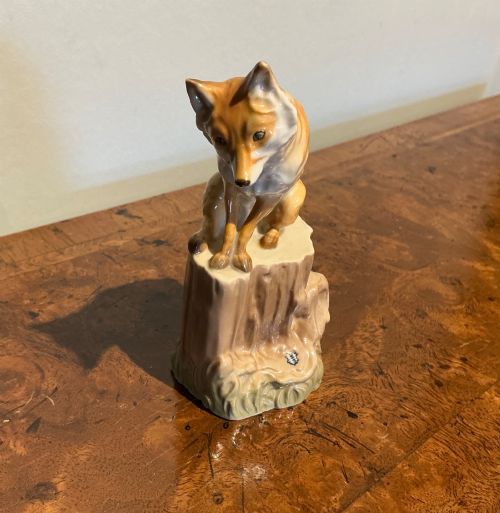
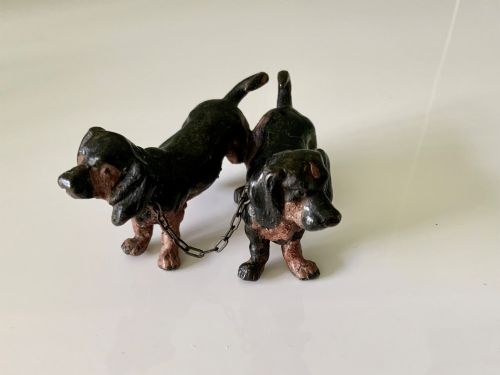
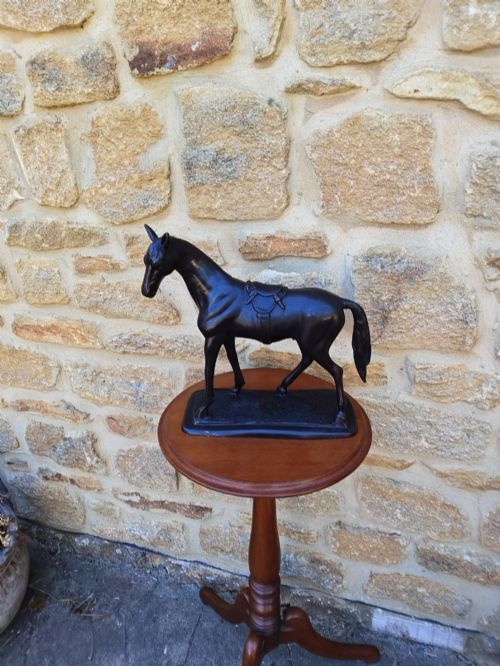
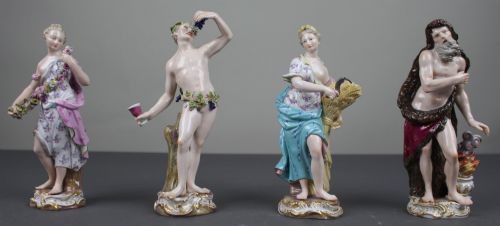
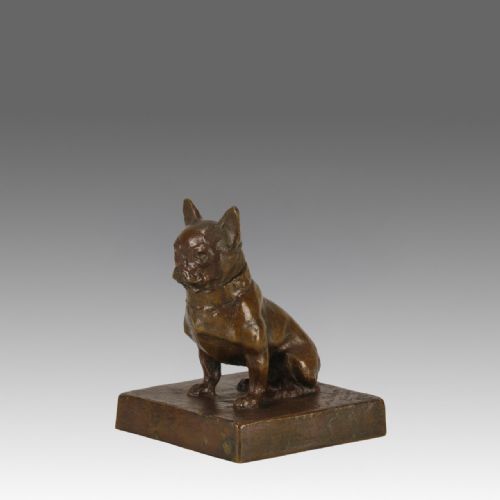
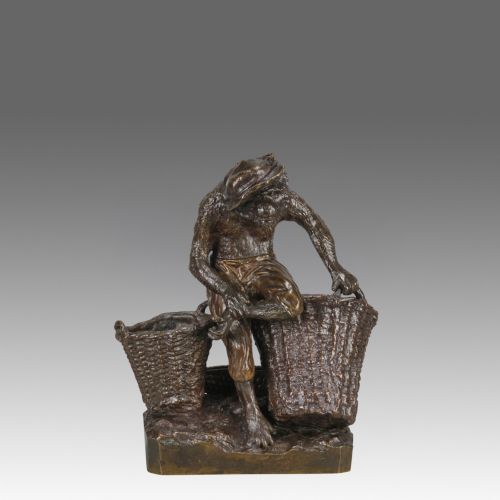
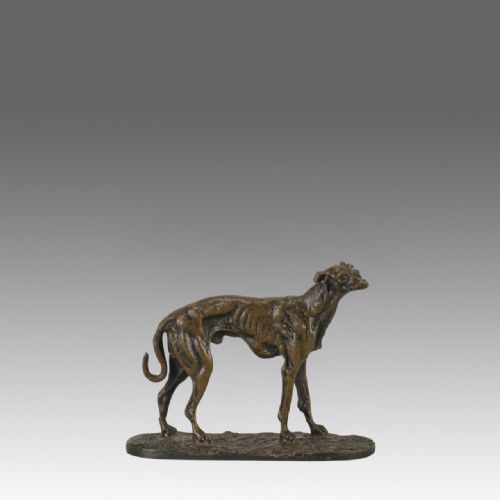
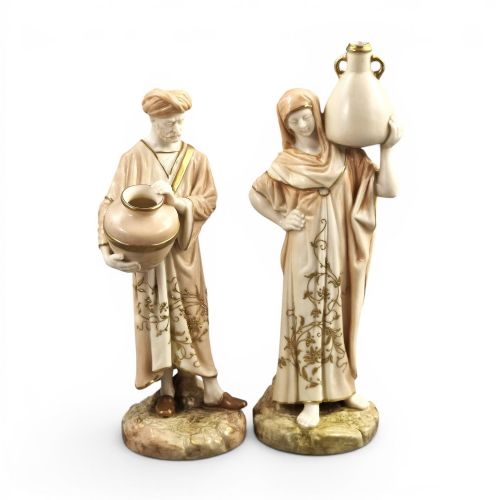
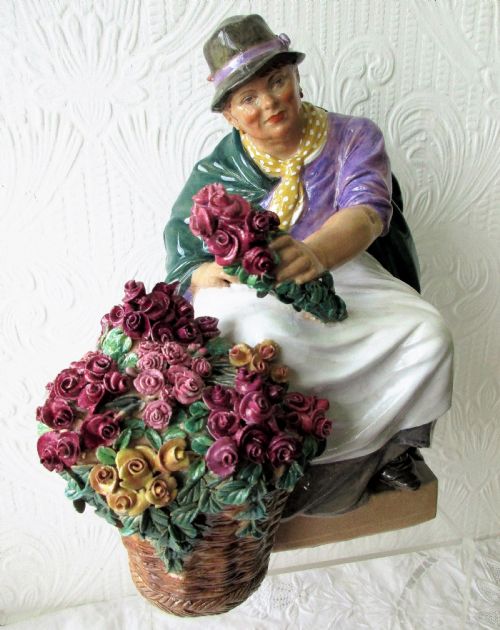
A collectible sculpture brings character and distinct form into a room, spanning animalier bronzes, painted decoys and delicate porcelain figures.
Collectible Sculpture
When you search for collectible sculpture, you encounter a diverse array of three-dimensional works spanning the nineteenth and twentieth centuries. These pieces range from functional items like desk ornaments and decoys to purely decorative figures in bronze, porcelain and wood.
The selections on this page lean heavily toward early twentieth-century animal figures, studio pottery, and European foundry casts. You will find domestic pets, birds, mythological subjects and human figures created across periods such as the Edwardian era and the Art Deco movement.
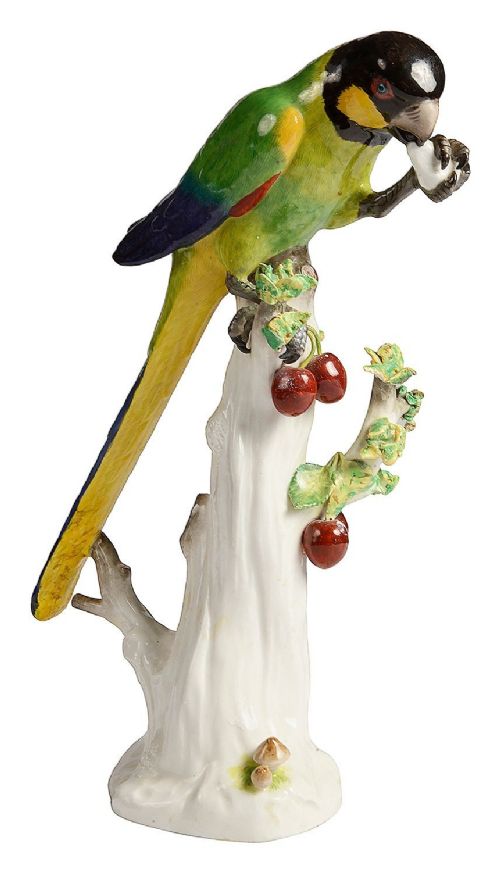
Makers and factories represented include Meissen, Royal Worcester and Nymphenburg, alongside studio ceramists like Charles Vyse. Foundry bronzes by known sculptors sit alongside folk art carvings and utilitarian scale models.
Assessing quality
Original surface finishes, such as cold painting on bronzes or hand-applied glazes on ceramics, separate superior examples from those with later repainting. The fidelity of the patina and the integrity of the material define the overall conviction of the object.
Signatures, foundry marks and documented studio attributions elevate the standing of a work. Pieces associated with recognised modellers or established exhibition pieces carry a distinct authority in design and execution.
Collectible Sculpture Retail Price Guide 2026
Typical asking prices for collectible sculpture among the pieces listed under this phrase on Sellingantiques today, from the lower quarter to the upper quarter. They describe what is for sale here now, not the wider market.
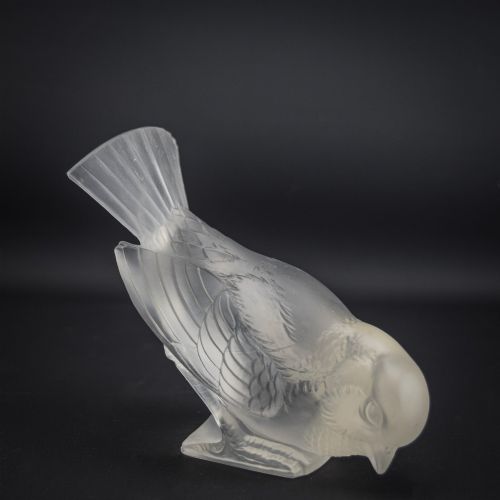
The selection includes animal figures, porcelain dancers, Napoleonic soldiers and utilitarian desk ornaments created by European workshops.
James Hadley·Christophe Fratin·Dora Heber·P J Mêne·Charles Vyse·Jules Dalou·Rene Lalique·Julien Lorieux·Aristide Maillol·Theo Voss
The Collectible Sculpture Glossary
- Animalier
- A nineteenth-century artistic movement focused on the realistic depiction of animals, particularly in bronze. These sculptures emphasise anatomical accuracy and natural movement.
- Cold-painted bronze
- A metal sculpture technique where paint is applied to the cold bronze surface without subsequent firing. This finish is vulnerable to flaking if handled improperly.
- Decoy
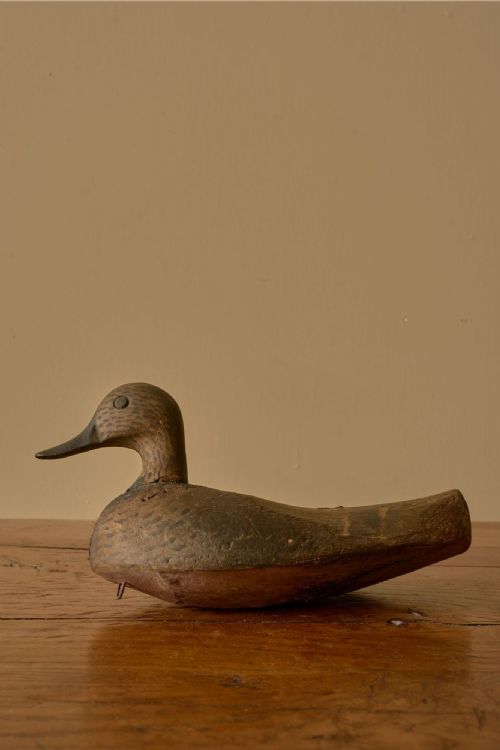
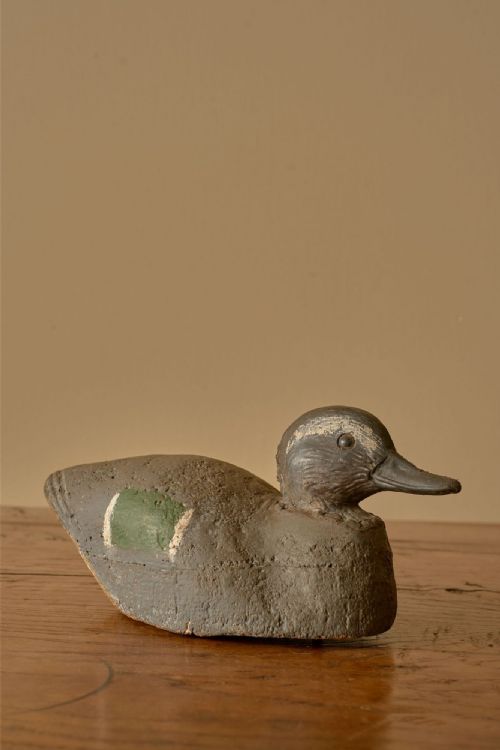
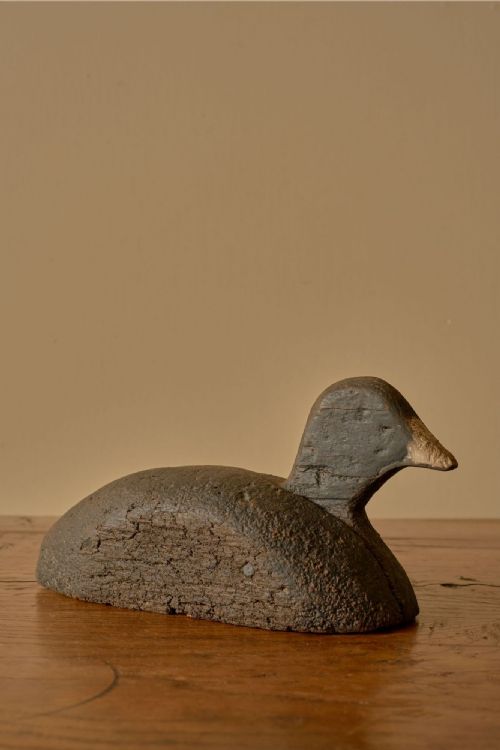
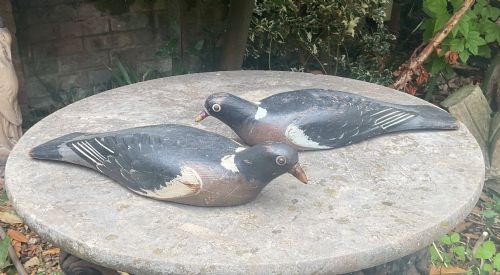
- A carved and painted wooden or composite object originally designed to attract wildfowl. Collectors prize these for their vernacular folk art qualities and original working paint.
- Spelter
- An alloy of zinc and copper frequently utilised as an economical alternative to bronze during the early twentieth century. It is lighter in weight and often mounted on heavy plinths.
Collectible Sculpture: Frequently Asked Questions
What defines an animalier sculpture?
Animalier sculptures focus primarily on the lifelike representation of animals in action or repose. These pieces were particularly popular in nineteenth-century France and Britain.
Foundries captured wild beasts, domestic dogs and horses with close attention to anatomy and behaviour. Artists used bronze as the primary medium to convey muscular tension and texture.
How should I care for painted wooden decoys?
Painted wooden decoys require stable indoor humidity and protection from direct sunlight to preserve their fragile historical surfaces. Avoid using liquid cleaners or oils on original weathered paint.
Dusting gently with a dry, soft brush is sufficient for routine maintenance. Keeping them away from heat sources prevents the wood from splitting and the paint from flaking.
What is the difference between bronze and spelter?
Bronze is a durable alloy of copper and tin that accepts detailed chasing and patination. Spelter is a softer, zinc-based alloy that was often painted to imitate bronze.
Spelter figures are generally lighter and more brittle than bronze casts. They frequently appear mounted on heavy stone or onyx plinths to provide stability.
Are studio pottery figurines marked?
Many studio pottery figurines feature incised monograms, painted initials or specific paper labels identifying the artist and pottery. These marks help verify the provenance and dating of the work.
Unmarked pieces rely on stylistic attribution, glaze characteristics and comparison with documented examples by makers such as Charles Vyse. Documentation and exhibition history further strengthen identification.