



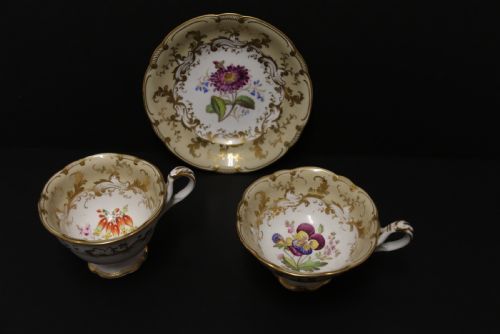


Collectible Porcelain Cup
These collectible porcelain cup pieces offer tangible links to historic ceramic artistry, combining delicate forms with enduring decorative appeal.
Collectible Porcelain Cup
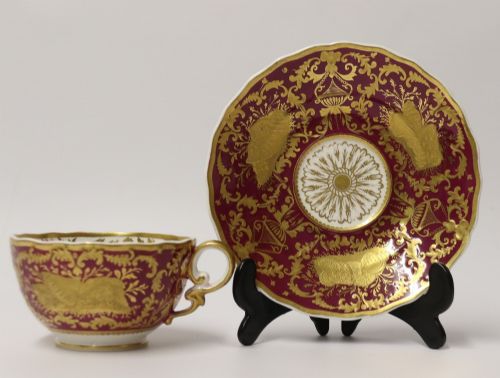
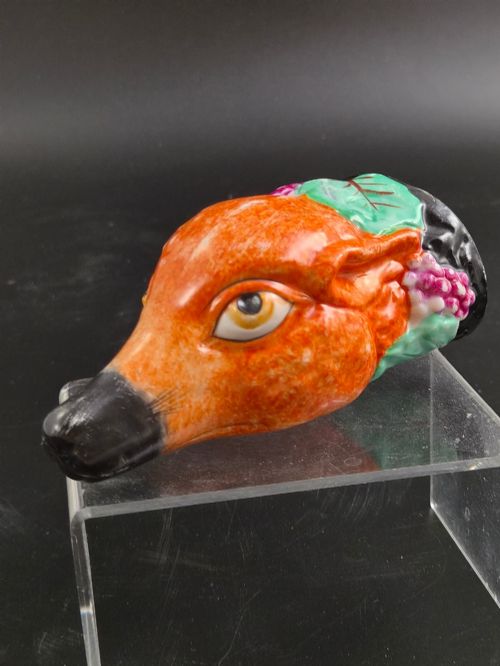
A collectible porcelain cup represents a wide variety of drinking vessels, including cabinet cups, teacups and saucers, coffee cups, tea bowls, porter mugs, stirrup cups, mini tygs, and demi tasse sets. These items span periods from the mid eighteenth century through the nineteenth century and into the early twentieth century.
Buyers will most frequently encounter nineteenth century English and continental examples on this page. Common forms range from matched teacup and saucer pairs to more elaborate cabinet trios and presentation pieces.
The styles represented include Georgian, Regency, Biedermeier, Rococo Revival, and Edwardian designs. Makers utilise diverse forms to serve both functional dining and decorative display purposes.
How they were made
Potters shaped these objects using hard-paste porcelain, soft-paste porcelain, and bone china. Skilled artisans then applied handpainted decoration and detailed enamelling to the ceramic bodies.
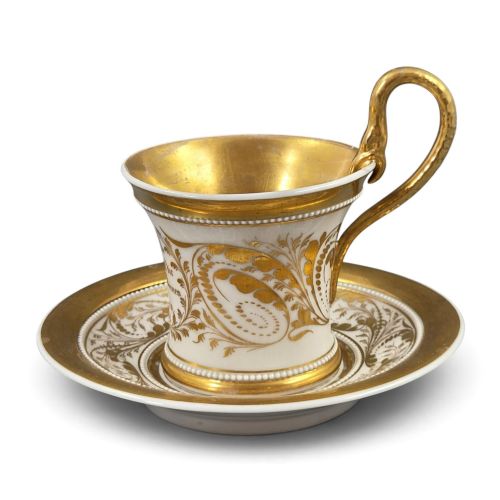
Gilding, gold leaf, and gold gilding were frequently added to highlight rims, handles, and painted scenes. Kiln firing fixed these metallic and enamel elements onto the glazed surfaces.
Collectible Porcelain Cup Retail Price Guide 2026
Typical asking prices for collectible porcelain cup among the pieces listed under this phrase on Sellingantiques today, from the lower quarter to the upper quarter. They describe what is for sale here now, not the wider market.
The inventory covers several eras, ranging from mid eighteenth century pieces through the Georgian and Regency periods up to the early twentieth century.
What varies in quality
The refinement of the ceramic body and the precision of the potting set individual examples apart. Thinner porcelain walls and finely balanced handle designs indicate greater manufacturing skill.
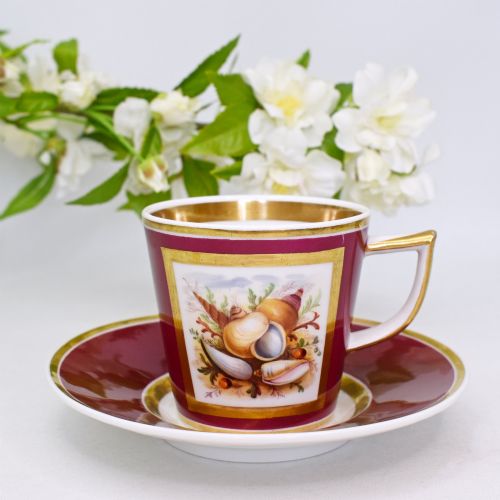
Handpainted artistic execution determines the upper tier of quality. Detailed landscape scenes, controlled enamel work, and heavy gold leaf application distinguish superior presentation pieces from standard production.
Spode·H & R Daniel·Royal Staffordshire·KPM Berlin·Rockingham·Derby Porcelain·Meissen·Flight Barr & Barr·Worcester·Royal Worcester·Hutschenreuter·Davenport·Ridgeway
The Collectible Porcelain Cup Glossary
- Hard-paste porcelain
- A durable ceramic composition fired at high temperatures using kaolin and petuntse. It creates a dense, vitreous body that resists scratching.
- Soft-paste porcelain
- An artificial ceramic mixture fired at lower temperatures, popular in eighteenth century European factories. It possesses a warmer tone and a softer glaze.
- Bone china
- A British ceramic material incorporating bone ash into the paste. This formula yields a strong, bright white body with high translucency.
- Cabinet cup
- A decorative display vessel manufactured primarily for visual appreciation rather than daily use. These often feature elaborate painting and gilding.
- Demi tasse
- A small cup traditionally used for serving strong black coffee or espresso. They frequently appear alongside matching saucers in nineteenth and twentieth century sets.
Collectible Porcelain Cup: Frequently Asked Questions
What is a cabinet cup?
A cabinet cup is an ornamental vessel designed for display in a glass case rather than for holding tea or coffee at the table. These pieces usually display intricate handpainted scenes and extensive gilding.
Cabinet cups often date from the Georgian and Victorian eras when wealthy households collected ceramic art to showcase their refined tastes.
How do I care for antique porcelain?
Antique porcelain requires gentle hand washing in warm water with mild soap. Avoid soaking items with historic enamel or gold leaf decoration to preserve the surface.
Store cups and saucers separately or use padded dividers to protect delicate rims and handles from accidental chipping.
How can I tell hard paste from soft paste?
Hard paste porcelain feels colder, resists scratching from steel blades, and shows a bright white fracture under unglazed areas. Soft paste porcelain is softer and often displays a creamier translucency when held to the light.
Factory origins and production dates usually dictate which paste type a potter utilised during manufacturing.
Were these cups meant for daily use?
Many eighteenth and nineteenth century cups were produced for regular dining and social rituals. Tea bowls and standard teacups saw frequent handling in middle and upper class homes.
Over time, surviving examples transitioned from functional tableware into collectible display objects preserved for their historical and artistic merit.