



Collectible Military Model
A collectible military model captures history in miniature, offering tangible connections to centuries of naval, aerial and land warfare.
Collectible Military Model
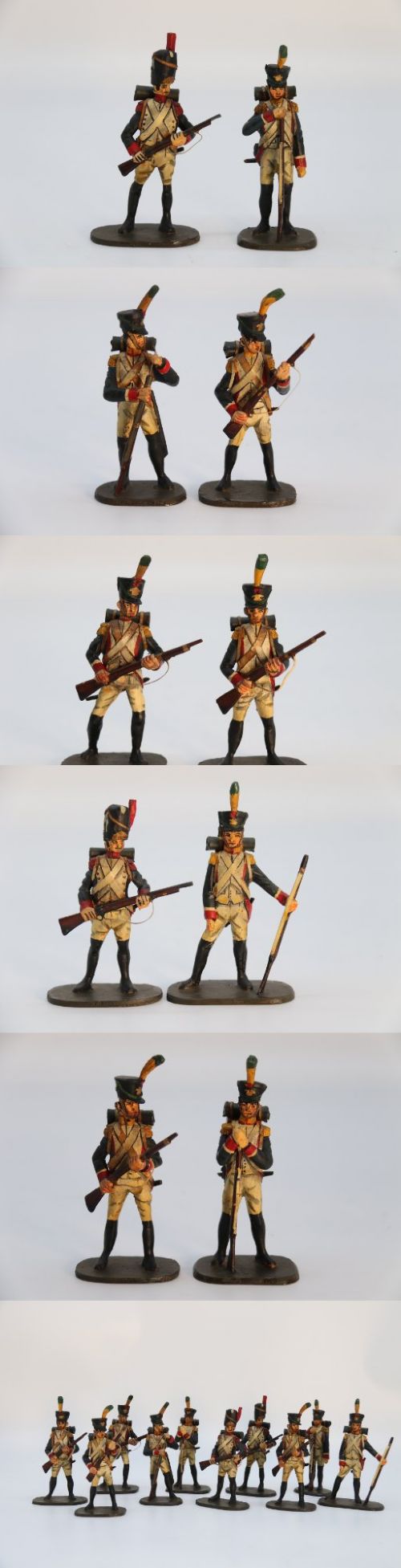
A collectible military model encompasses scale representations of artillery, aircraft, warships and soldiers spanning multiple centuries. These items serve as historical records of combat technology and military organisation through carefully detailed miniature forms.
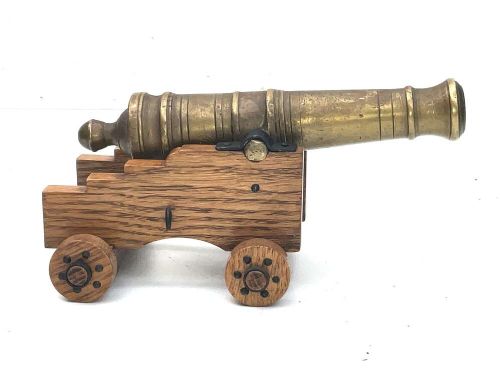
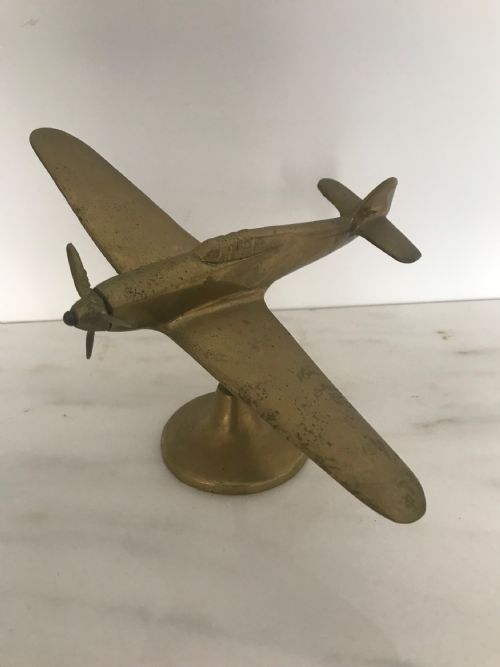
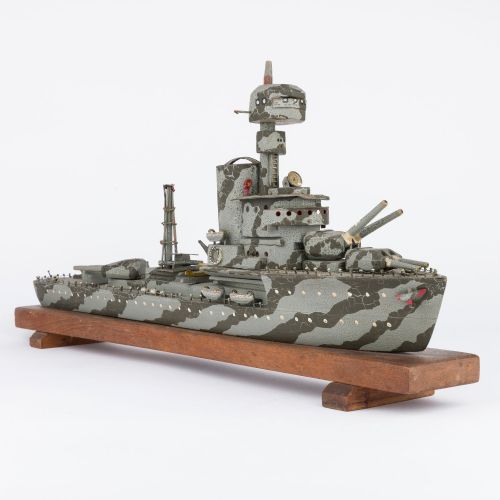
Examples range from eighteenth century field cannons to twentieth century fighter aircraft and naval battleships. Each object reflects the military architecture and engineering standards of its specific period of origin.
How they were made
Makers utilised cast metals such as brass, bronze, iron and steel to construct durable artillery barrels and structural components. Wooden elements, including oak and walnut, were carved and assembled to form naval carriages, aircraft bodies and display bases.
Surface finishing involved manual paint application and metal polishing to replicate uniforms, camouflage patterns and ordnance details accurately. Hand carved wooden figures and hand built components required precision joinery and meticulous brushwork from skilled artisans.
Collectible Military Model Retail Price Guide 2026
Typical asking prices for collectible military model among the pieces listed under this phrase on Sellingantiques today, from the lower quarter to the upper quarter. They describe what is for sale here now, not the wider market.
Listings span from the seventeenth century through to the nineteen-forties, covering maritime, aviation and land military subjects.
What varies in quality
Quality rests upon the precision of scale proportions and the fidelity of historical details present in the construction. Fine examples exhibit crisp casting marks, accurate uniform colours and structurally sound wooden carriages without clumsy alterations.
The degree of manual labour involved in hand carved figures and hand built models distinguishes superior specimens from simpler production items. Original matching components and preserved factory finishes elevate the standing of an individual piece.
The Collectible Military Model Glossary
- Percussion revolver
- A firearm type utilising a percussion cap ignition system popularised during the nineteenth century. These weapons required separate loading of powder, ball and cap.
- Ship of the line
- A type of naval warship constructed from the seventeenth through the mid-nineteenth centuries to form part of the tactical line of battle. Models of these vessels replicate complex rigging and multi-deck armament.
- Scale model
- A physical representation of an object maintaining exact proportional relations to its full-size counterpart. Such models are utilised for display, instruction and historical documentation.
- Field gun
- A mobile artillery piece designed for mobility on the battlefield and support of infantry forces. These cannons typically feature wheeled wooden carriages for tactical deployment.
- Martial issue
- Equipment produced specifically for official military service rather than civilian or commercial markets. Such items often carry government inspection marks or service serial numbers.
Collectible Military Model: Frequently Asked Questions
How do I date a model?
Dating relies on stylistic clues, technological markers and materials specific to known military eras. Examining the underlying design of the represented vehicle or weapon provides a reliable baseline.
Associated hardware, markings and construction methods further narrow down the decade of production. Comparative analysis with authentic military equipment of the period confirms accuracy.
Are these models historically accurate?
Many pieces reflect the engineering standards and visual details of the eras they represent. Makers often studied contemporary blueprints and ordnance manuals to achieve realistic proportions.
Some vintage items incorporate simplified details typical of their manufacturing period rather than strict museum-grade precision. Assessing individual components reveals the builder's intent and level of accuracy.
How should I display brass models?
Display brass and metal pieces in stable environments away from excessive moisture to prevent surface oxidation. Gentle dusting with a soft, dry cloth preserves the original metal finish.
Avoid aggressive chemical cleaners that can strip patination accumulated over decades. Secure stable shelving to support heavier solid metal and wooden cannon constructions.
What materials are most common?
Metal and wood dominate the construction of these historical miniature pieces. Brass, bronze, iron and steel frequently form barrels, propellers and structural frames.
Oak and walnut provide sturdy foundations for wooden carriages, display bases and fuselage structures. Paint finishes complete the visual presentation of uniforms and aircraft liveries.