





Collectible Leather Bound Books
Collectible leather bound books bring centuries of literature, philosophy and history to your shelves through enduring materials.
Collectible Leather Bound Books
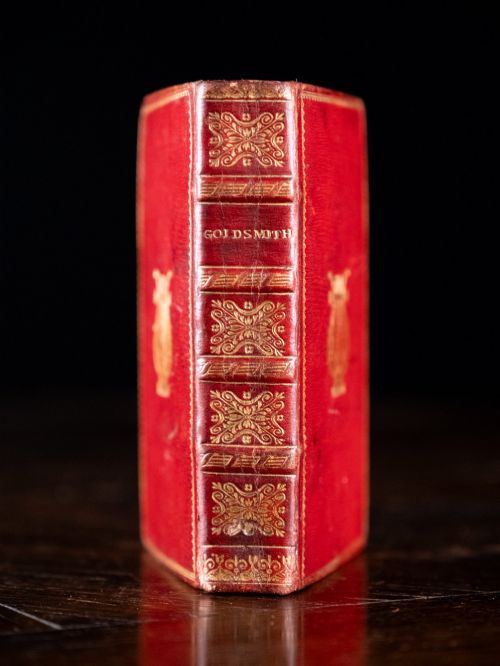
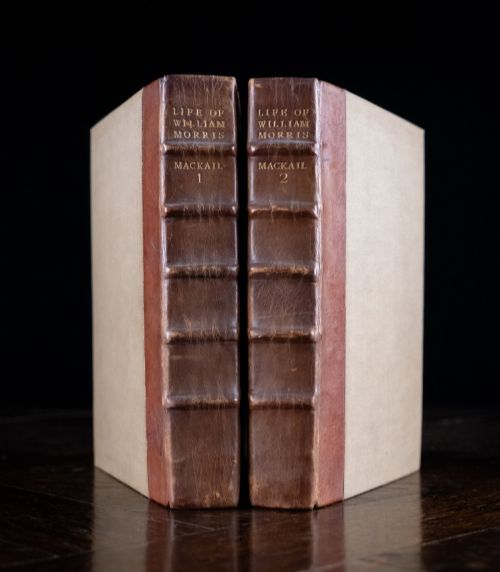
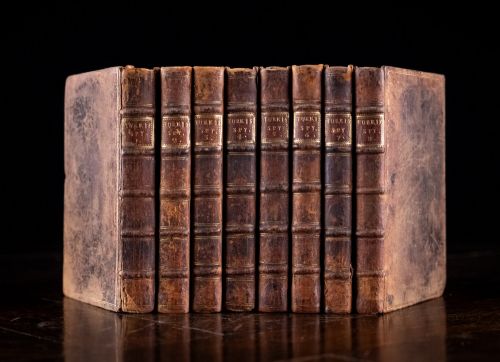
These items comprise volumes ranging from seventeenth century philosophy and eighteenth century history sets to nineteenth century poetry, drama and biography. You encounter single volumes, multi volume sets and miniature books housed in custom bookcases.
The selection on this page spans the seventeenth, eighteenth, nineteenth and early twentieth centuries, covering Georgian, Regency, Victorian, Edwardian and Art Deco styles. Publishers and binders utilised calfskin, sheepskin, vellum and cloth alongside paper, ink and gold leaf.
Single antique books and complete sets appear alongside specialised editions such as illustrated fiction, county references and miniature devotional texts.
Materials and construction
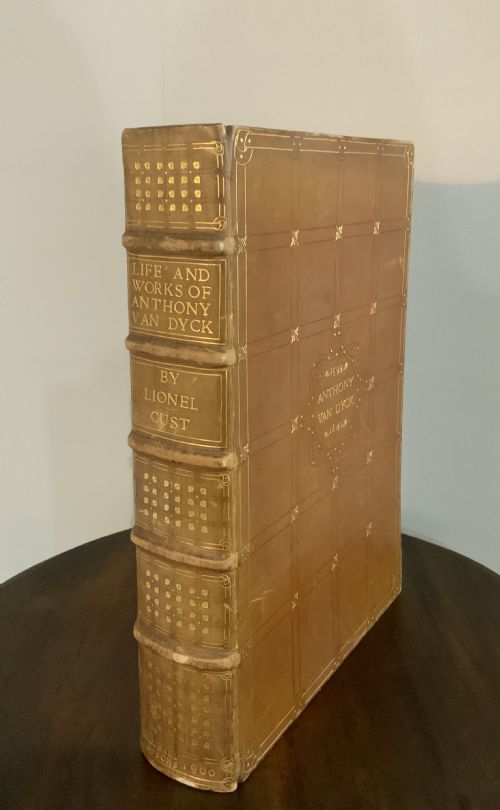
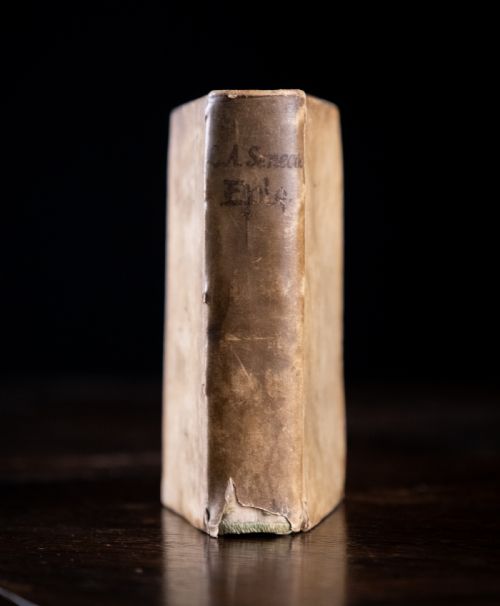
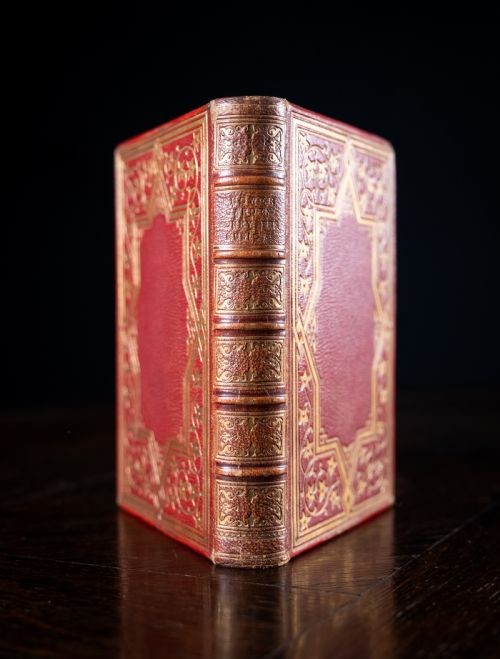
Binders constructed these books using leather, vellum and cloth over cardboard or oak boards, securing the paper text blocks with traditional stitching. Tooling artisans applied gold leaf to spines and covers to impress titles, decorative borders and armorial motifs using heated metal dies.
Printers used hand presses and early mechanical presses to transfer black and coloured ink onto paper leaves, occasionally incorporating engraved plates and illustrations.
Collectible Leather Bound Books Retail Price Guide 2026
Typical asking prices for collectible leather bound books among the pieces listed under this phrase on Sellingantiques today, from the lower quarter to the upper quarter. They describe what is for sale here now, not the wider market.
Miniature books demand immense patience from seventeenth and eighteenth century compositors setting microscopic lead type by hand.
Evaluating quality and condition
Quality rests upon the originality of the binding, the crispness of the gold tooling and the uniformity of sets across multiple volumes. Contemporary bindings executed with fine hand tooling and robust leather command higher regard than later or heavily restored coverings.
The presence of first editions, original plates, scarce imprints and clean paper text blocks elevates individual volumes and multi volume sets above standard reading copies.
The Collectible Leather Bound Books Glossary
- First edition
- The earliest commercially released printing of a book. Collectors prize these because they represent the author's initial published text.
- Gilt tooled
- A decorative technique applying gold leaf under heat and pressure to leather bindings. This method creates bright metallic lettering and ornamentation on spines and covers.
- Miniature book
- A tiny volume typically measuring under three inches in height. These compact curiosities often contain complete religious texts, poetry or plays.
- Vellum
- A fine parchment prepared from calfskin or other animal skin. Books bound in vellum offer a durable, pale surface that ages to a distinctive ivory tone.
- Book set
- Multiple volumes published together as a complete work or uniform series. Matching bindings across all volumes indicate an original publication intact.
Collectible Leather Bound Books: Frequently Asked Questions
How do I care for leather bindings?
Keep antique leather books away from direct sunlight and damp environments to prevent the skin from drying out or developing mould.
Handle them gently by the middle of the spine rather than pulling them off shelves by the headcap.
What makes a book set complete?
A complete set contains every volume originally issued by the publisher under that specific title or edition.
Matching bindings, uniform publication dates and sequential volume numbering confirm the set remains intact.
Are miniature books readable?
Many miniature books feature surprisingly sharp typography that remains legible under magnification.
Binders produced them as portable devotional items, novelties and miniature masterclasses in printing technique.
How do I identify a first edition?
First editions are determined by matching the publication date on the title page against publisher records and bibliographic guides.
Later printings often state subsequent edition numbers on the preliminary pages.