


Collectible German Porcelain
Collectible german porcelain brings together centuries of European ceramic artistry, offering delicate figures and painted wares that anchor a serious cabinet.
Collectible German Porcelain
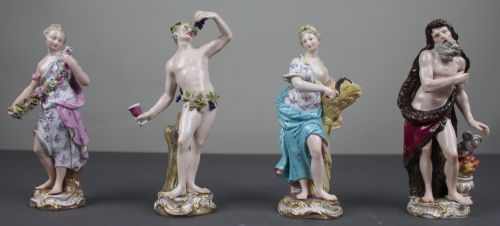
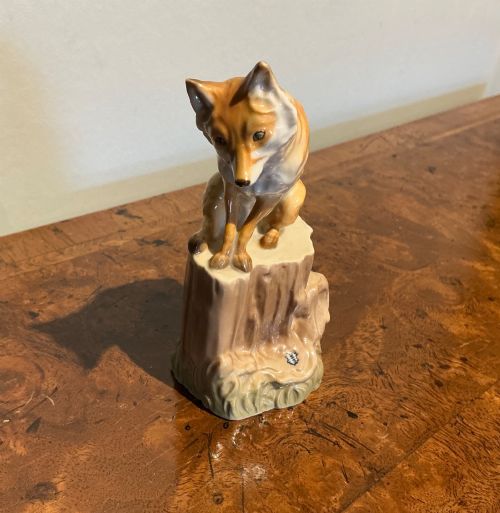
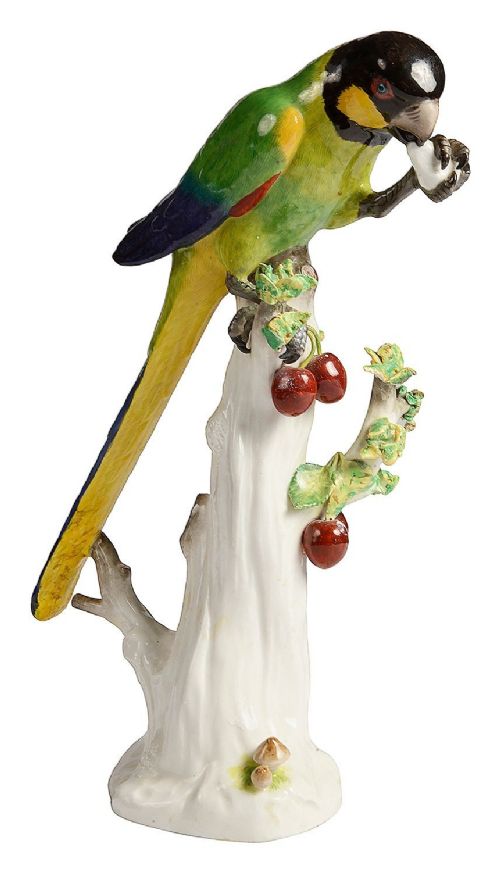
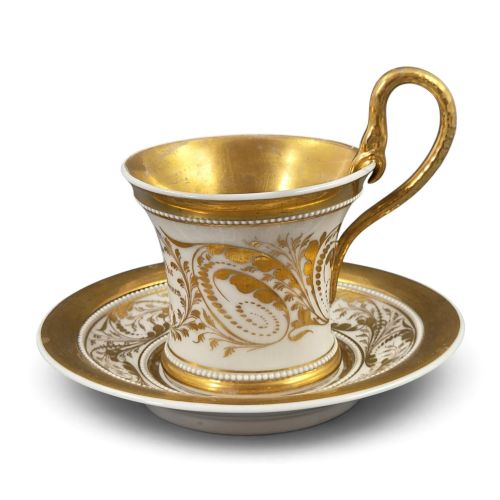
Collectible german porcelain encompasses a wide variety of ceramic objects ranging from delicate eighteenth century figures to twentieth century half dolls and cups. Buyers searching for collectible german porcelain will encounter intricate animal sculptures, elegant presentation cups, and painted plates that reflect centuries of European craftsmanship.
What varies in quality
Quality rests in the precision of the hand painting and the crispness of the moulded details, particularly on figures depicting animals and dancers. Pieces demonstrate differing levels of fineness in the application of gold leaf and enamel glaze across various production periods.
Some nineteenth century porcelain artists clearly spent more time studying dramatic feline expressions than actual anatomy.
Nymphenburg·Meissen·KPM Berlin·Fasold & Stauch·Theo Voss·Ernst Bohne & Söhne·Hutschenreuter·William Goebel
The Collectible German Porcelain Glossary
- Hard-paste porcelain
- A dense, durable ceramic material fired at very high temperatures, composed of kaolin and petuntse. It forms the robust base for many European figures and vessels.
- Enamel glaze
- A glassy coating fused to the ceramic body through firing, often painted with coloured pigments. It provides a smooth, protective finish that heightens visual depth.
- Gold leaf
- Hammered sheets of gold applied to ceramic surfaces for decorative accent. It brings metallic brilliance to rims, handles, and costume details.
- Half doll
- A porcelain figure modelled from the waist up, historically utilised as a cover for tea cosies or pin cushions. They frequently date to the Art Deco period.
- Kakiemon
- A Japanese enamel style of porcelain decoration adopted by European manufactories like Meissen. It employs an asymmetrical arrangement of floral and animal motifs.
Collectible German Porcelain: Frequently Asked Questions
How do I identify older german porcelain figures?
Examine the modelling style, painting technique, and the overall weight of the hard paste porcelain body. Earlier pieces often display hand painted enamel details characteristic of eighteenth or nineteenth century manufactories.
Compare the form against documented examples from periods like the Rococo revival or Art Deco. Subtle differences in glaze texture and colouring help establish the approximate production era.
What are porcelain half dolls used for?
Porcelain half dolls served practical household functions in the early twentieth century as decorative toppers for pin cushions, powder boxes, and tea cosies. Their flared porcelain bases allowed them to be stitched directly onto fabric skirts.
Today they function primarily as cabinet display pieces for collectors focusing on Art Deco ceramics and vanity items.
How should I clean antique german porcelain?
Dust pieces gently with a soft, dry brush to remove surface particles without disturbing delicate enamel or gold leaf accents. Avoid harsh cleaning solutions or submersion in hot water, which can damage fragile painted surfaces.
Maintain stable display conditions away from direct sunlight to preserve the integrity of the glaze over time.
What is the difference between hard paste and standard porcelain?
Hard paste porcelain contains specific mineral components fired at extremely high temperatures, resulting in a durable, vitrified body that resists scratching. It forms the structural foundation for many traditional European decorative objects.
Standard ceramic bodies may utilise different firing temperatures and ingredients, affecting the overall weight and translucency of the finished piece.