





Collectible British Silver
Collectible British silver encompasses items ranging from early eighteenth-century spoons to mid-century timepieces and smoking accessories, valued for their craftsmanship and history.
Collectible British Silver
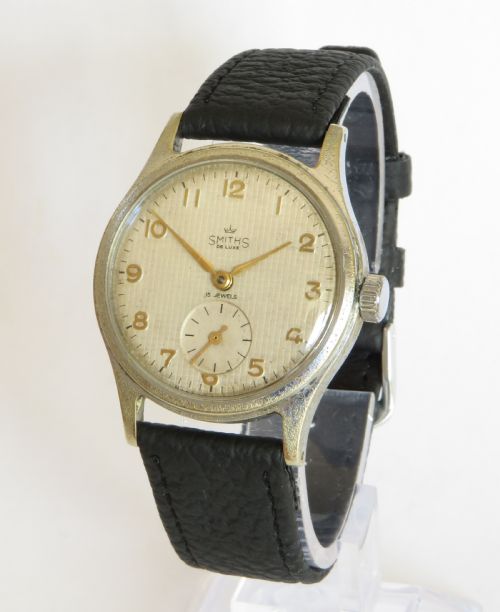
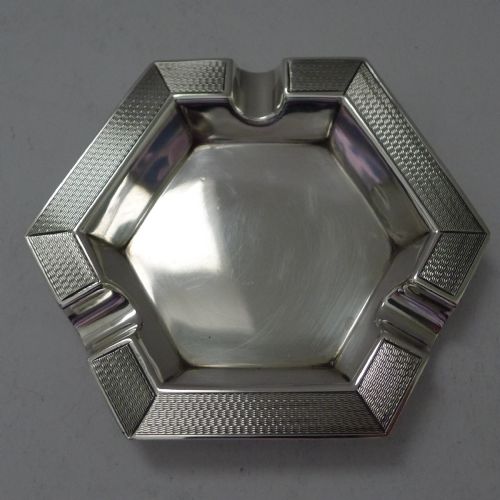
Collectible British silver covers a diverse range of objects, from Georgian spoons and nineteenth-century vinaigrettes to Edwardian ashtrays and twentieth-century pocket watches. Pieces span multiple eras including the Georgian, Edwardian, and mid-century periods.
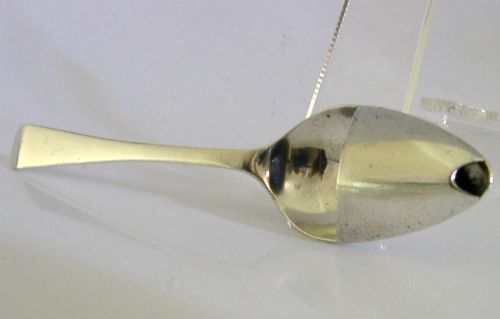
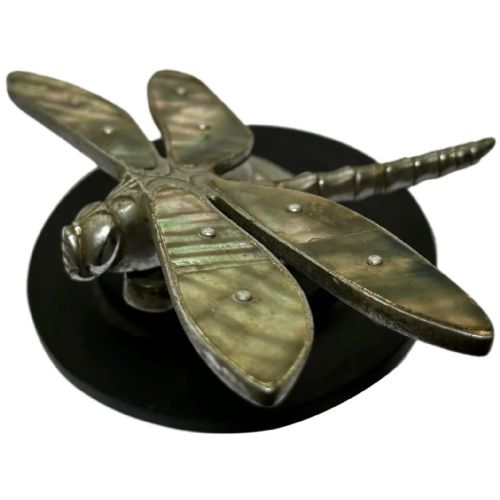
The assortment reflects shifting domestic and personal habits across centuries, showing how silver was utilised in daily life, dining, and smoking customs. Each period brings distinct design sensibilities, ranging from early rattail spoons to Art Deco car mascots.
Materials and construction
Makers shaped solid sterling silver through traditional techniques such as casting, hammering, and engraving, often adding hallmarks to record the assay office and date. Enamel, glass, and leather frequently appeared as complementary materials in items like ashtrays and lighters.
Precision manufacturing characterised the timepieces and mechanical objects, where silver cases housed complex watch movements or lighter mechanisms. Surface decoration varied from plain polished finishes to intricate engine-turning and applied enamel work.
Collectible British Silver Retail Price Guide 2026
Typical asking prices for collectible british silver among the pieces listed under this phrase on Sellingantiques today, from the lower quarter to the upper quarter. They describe what is for sale here now, not the wider market.
Listings include items spanning the Georgian period, the Edwardian era, and the mid-twentieth century, utilising materials such as sterling silver, glass, and enamel.
Distinctions in quality
Quality in these silver objects rests on the clarity of hallmarks, the crispness of maker marks, and the preservation of original surface detail. Pieces bearing marks from noted makers demonstrate superior workshop standards.
The integrity of mechanical components in items such as watches and lighters, alongside the condition of supplementary materials like enamel or glass, shapes the overall standard of a piece.
William Neale·J W Benson·Christopher Lawrence·Lawrence Coles·Reily And Storer
The Collectible British Silver Glossary
- Hallmark
- Official marks stamped onto silver to guarantee the metal's fineness, originating from assay offices in locations such as London and Chester.
- Sterling silver
- An alloy consisting of ninety-two point five percent silver and seven point five percent other metals, typically copper, standard in British plate.
- Marrow scoop
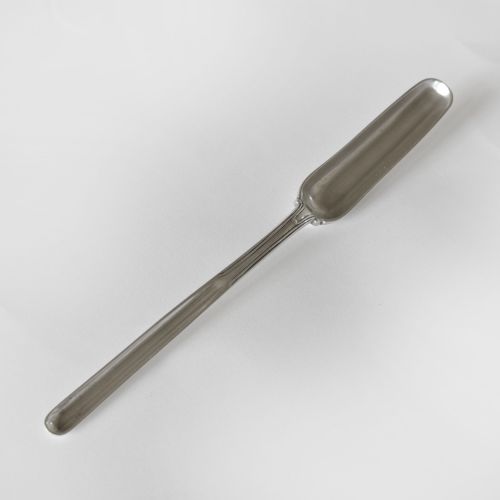
- A narrow, double-ended spoon used in the eighteenth and nineteenth centuries for extracting marrow from bones.
- Vinaigrette
- A small decorative box containing a perforated grille, holding a sponge soaked in aromatic vinegar to mask unpleasant odours.
- Rattail
- A slender tongue of silver extending down the back of a spoon bowl from the handle, common on early pieces.
Collectible British Silver: Frequently Asked Questions
What periods do these pieces cover?
The selection spans several centuries, starting from the early eighteenth century and continuing through the Georgian, Edwardian, and mid-century eras.
Items reflect the shifting stylistic preferences and manufacturing techniques of each successive generation of British silversmiths.
How are silver objects dated?
Silversmiths stamped official hallmarks onto items to indicate the assay office, standard of metal, and the specific year of production.
These tiny stamped symbols provide a reliable primary method for determining the age of British silver.
What materials accompany the silver?
While solid sterling silver forms the main body of these pieces, makers frequently incorporated glass, enamel, leather, and chrome.
Such mixed materials appear particularly in functional objects like smoking accessories, timepieces, and medical instruments.
How were pocket watches used?
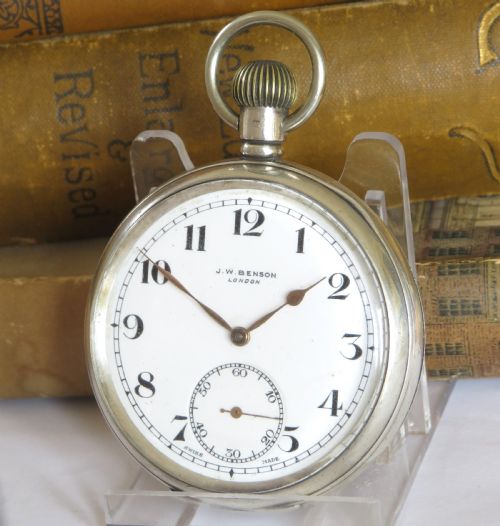
Pocket watches served as vital personal timekeepers before wristwatches became common, often carried in waistcoats and secured with chains.
Many featured robust silver cases to protect the internal mechanical movements during daily wear.