


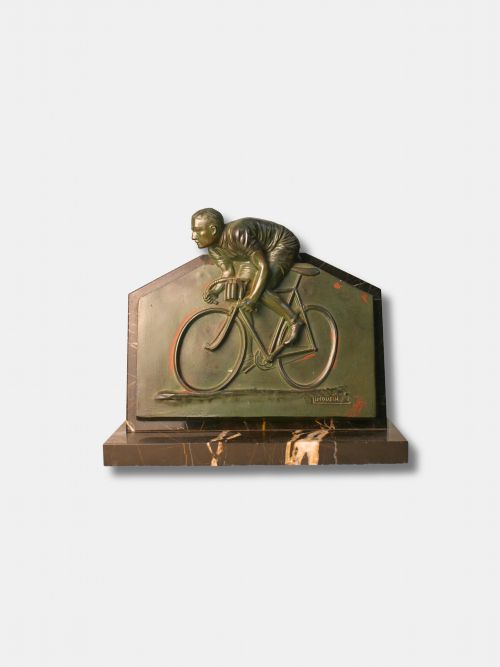


Collectible Art Sculpture
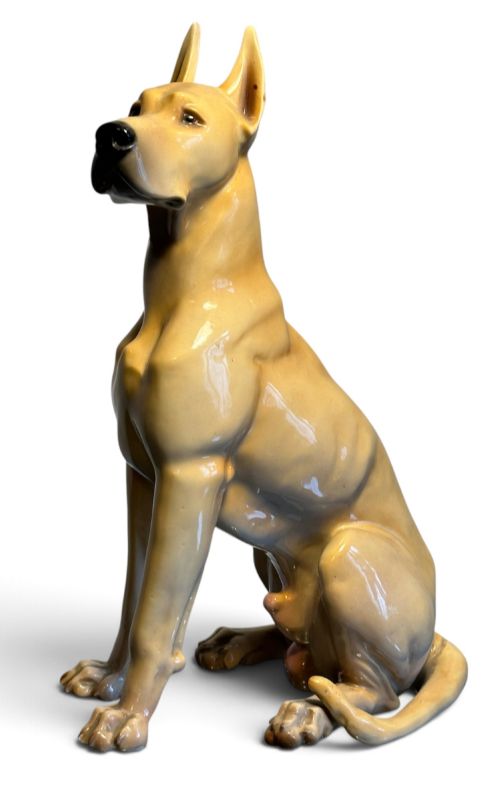
These pieces of collectible art sculpture bring character to a room through diverse forms ranging from carved decoys to cast bronzes.
Collectible Art Sculpture
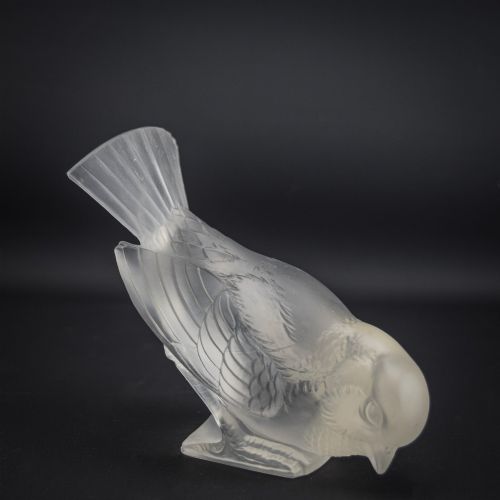
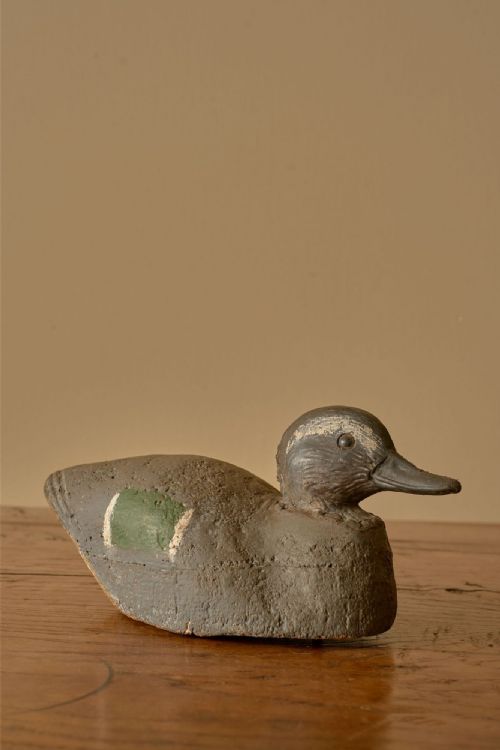
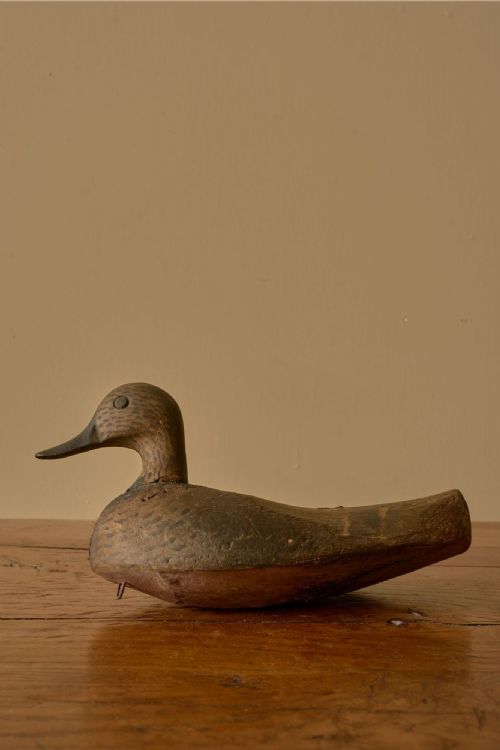
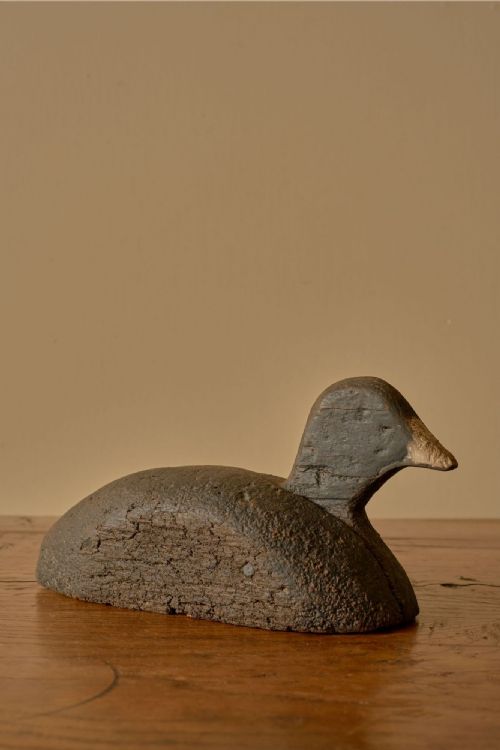
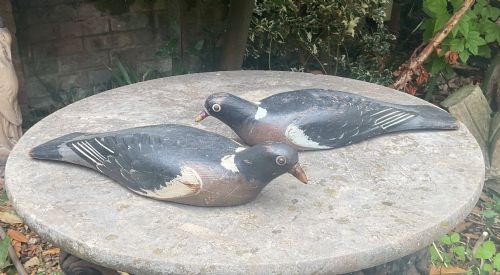
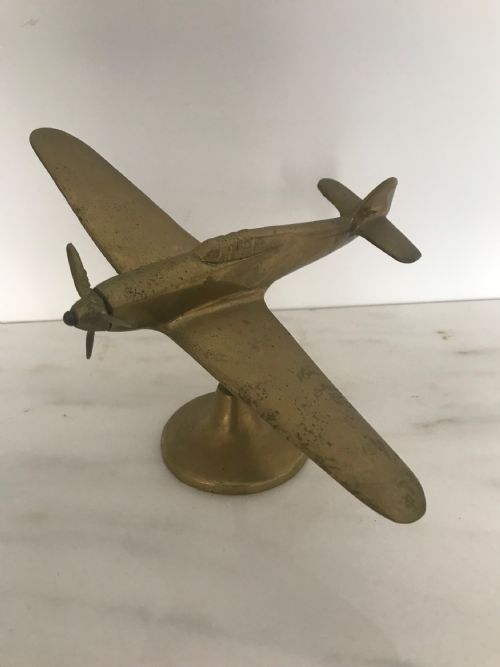
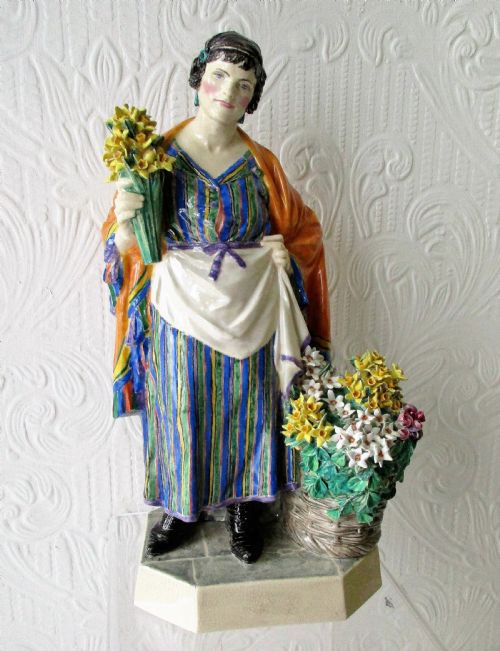
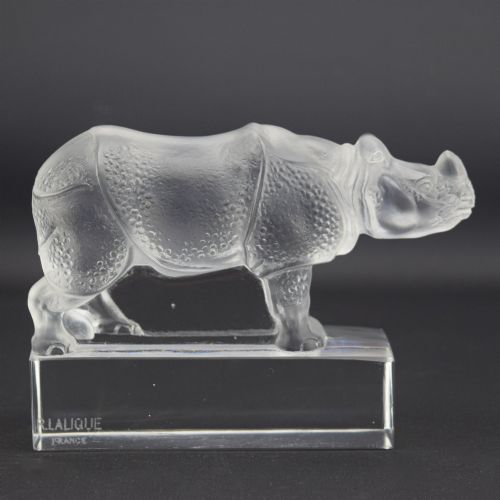
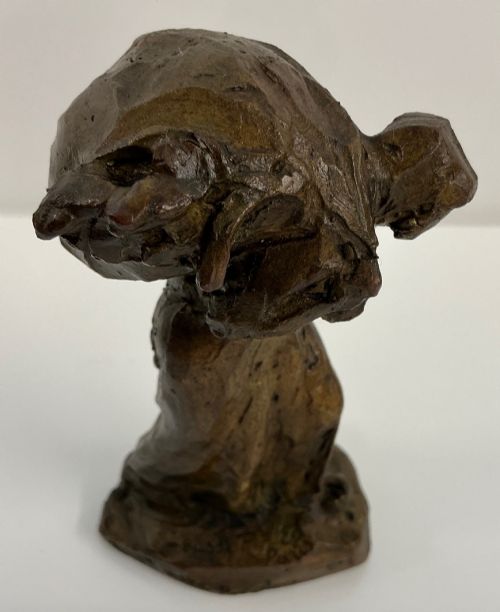
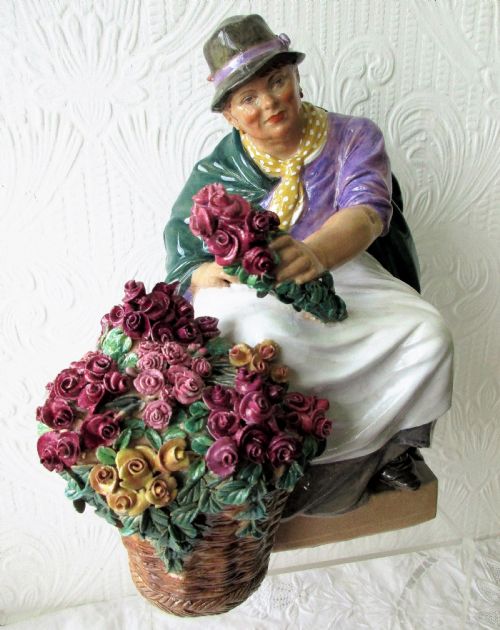
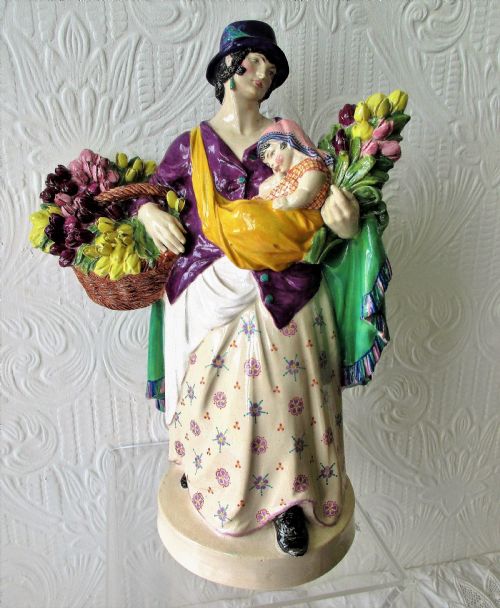
When you search for collectible art sculpture, you encounter a varied mix of objects spanning the nineteenth century through the nineteen-thirties. The selection includes carved wooden decoys, cast bronze figures, studio pottery figurines and moulded glass mascots. You are most likely to meet twentieth-century works, particularly bronze animal and human figures alongside carved wooden birds from the Edwardian period.
The assortment crosses multiple aesthetic traditions, touching upon Art Deco, Art Nouveau, folk art and nineteenth-century realism. Origins span English, French, Spanish and African workshops, providing figures of dancers, animals, athletes and allegorical subjects. These items served functional roles as desk models, car mascots and lighters, or existed purely as decorative sculptures.
How they were made
Makers shaped these objects using traditional foundry and carving techniques across bronze, brass, spelter, iron and wood. Metal works often utilise the lost-wax casting method followed by patination or silvering to achieve specific surface finishes. Wooden pieces, such as decoy ducks and pigeons, rely on hand carving supplemented by layers of paint.
Ceramic and glass items demonstrate specialised moulding and firing processes seen in earthenware, porcelain, clear glass and amber-toned glass. Stoneware and pottery bodies receive painted or glazed surface treatments, while glass pieces like car mascots and paperweights employ pressing and moulding techniques characteristic of the period.
Collectible Art Sculpture Retail Price Guide 2026
Typical asking prices for collectible art sculpture among the pieces listed under this phrase on Sellingantiques today, from the lower quarter to the upper quarter. They describe what is for sale here now, not the wider market.
The periods represented include the nineteenth century, Edwardian era, and the nineteen-tens, twenties and thirties.
What varies in quality
Signature and foundry marks contribute significantly to the standing of a piece, indicating the involvement of known sculptors and established potteries. The integrity of the material, whether patinated bronze, unblemished clear glass or solid timber, governs the overall impression of the sculpture.
Charles Vyse·Jules Dalou·Rene Lalique·Julien Lorieux·Aristide Maillol·Theo Voss·Achille Mollica·Antoine Bofill·Claire Colinet
The Collectible Art Sculpture Glossary
- Spelter
- A zinc alloy commonly used as a substitute for bronze in decorative figures. It is often painted or given a bronze-like finish.
- Decoy
- A carved and painted wooden bird traditionally used in hunting. These objects now function as decorative folk art sculptures.
- Patina
- The surface coloration and sheen acquired by metal over time or through chemical treatment. It adds depth to bronze sculptures.
- Car mascot
- A sculptural ornament mounted on the radiator cap of an automobile during the early twentieth century. Many were produced in glass by makers like René Lalique.
Collectible Art Sculpture: Frequently Asked Questions
What materials are common in collectible art sculpture?
The listings feature a range of materials including bronze, wood, brass, iron, earthenware, porcelain and clear glass. Each material reflects the manufacturing practices of its respective period.
Metals appear in cast figures and desk models, while timber is typical of folk art decoys and carved netsukes. Glass and ceramic elements appear in twentieth-century mascots and studio pottery figures.
How do I identify an Art Deco sculpture?
Art Deco pieces typically display streamlined forms, geometric styling and subjects related to modern movement, sports or dance. Artists of this period often utilised silvered bronze, painted spelter or moulded glass.
Signatures from designers working in the nineteen-twenties and nineteen-thirties help confirm the style and origin of the piece.
Were decoy ducks meant for display?
Early twentieth-century and Edwardian decoy ducks were originally created for practical use in wildfowling. Carvers used wood and paint to simulate waterfowl on the water.
Today, collectors appreciate these working objects as examples of folk art sculpture for interior display.
How should I display a bronze figure?
Bronze sculptures require stable indoor environments away from excessive moisture and direct sunlight. Placing them on flat surfaces like desks, shelves or fitted plinths ensures stability.
Occasional dusting with a soft cloth maintains the surface patina without disturbing the finish.