



Collectible Art Deco
Collectible art deco spans distinct objects from the early twentieth century, bringing character and period design into a room.
Collectible Art Deco
Collectible art deco encompasses a varied assortment of items produced across the 1910s, 1920s, 1930s, and 1940s. A buyer exploring this category encounters functional objects and ornamental pieces shaped by the design movements of the period.
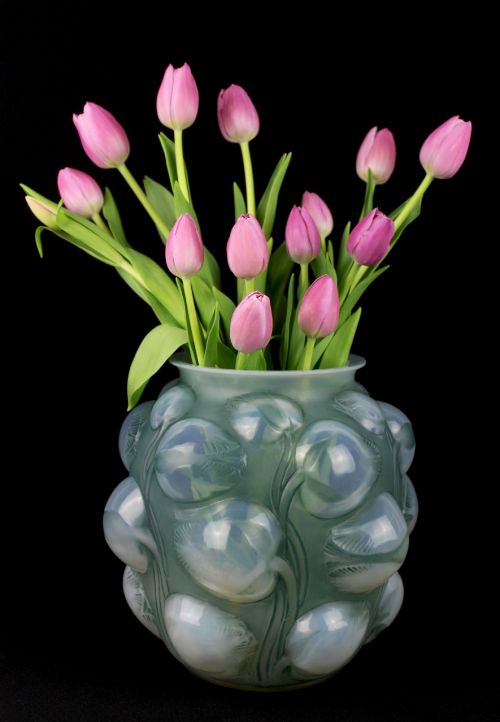
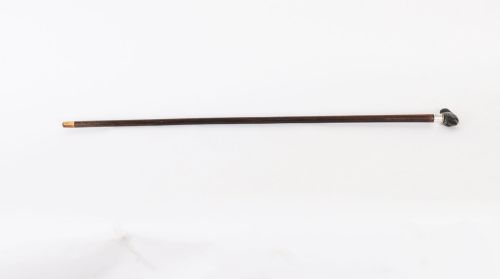
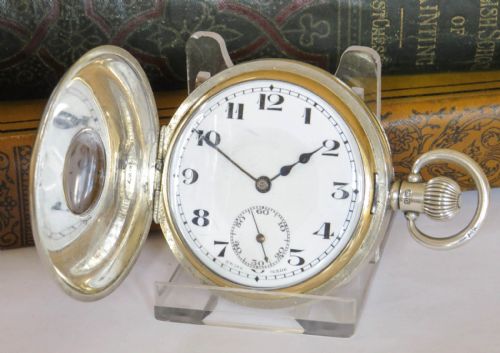
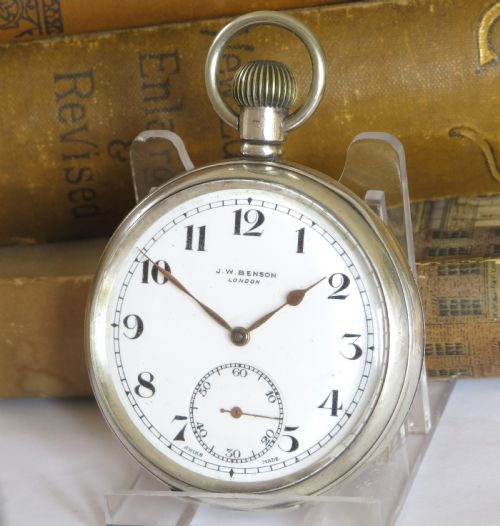
Vases, figurines, decorative bowls, sculptures, perfume bottles, and pocket watches form the core of what appears in this selection. Many pieces originate from French workshops, British potteries, and international makers active during the interwar decades.
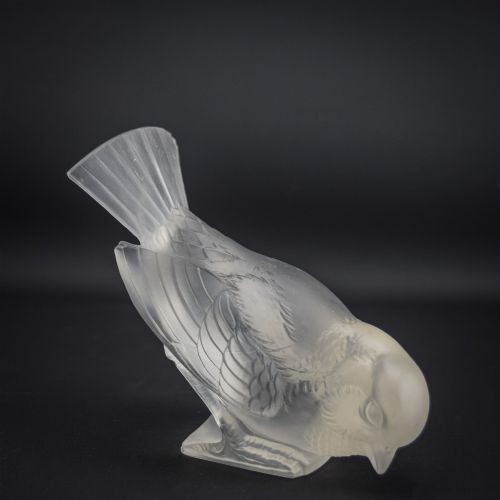
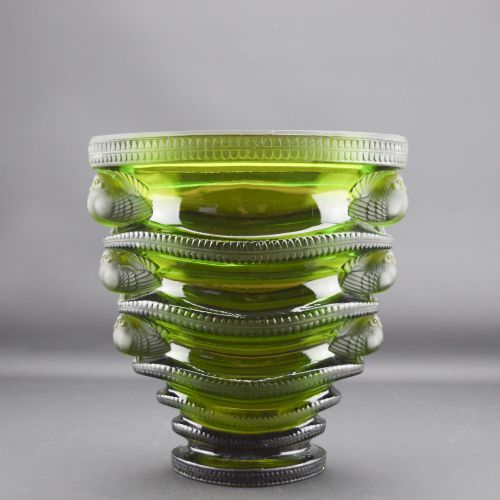
The version most commonly met on this page is moulded glass, ceramics, or porcelain created in the distinct aesthetic of the era. Buyers search for these items to acquire authentic period examples that reflect the decorative arts of the twentieth century.
Materials and Techniques
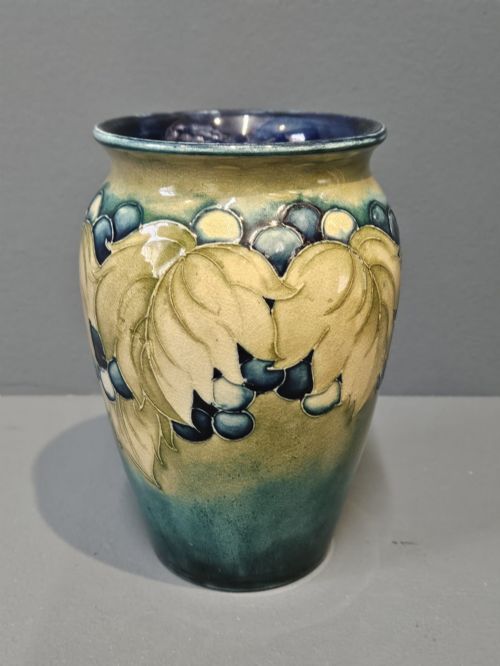
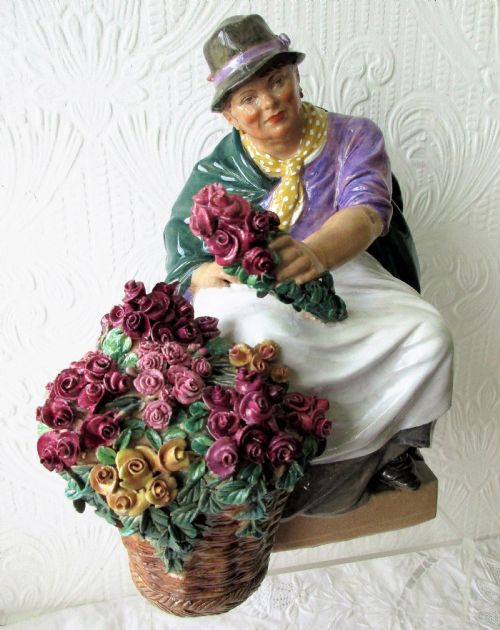
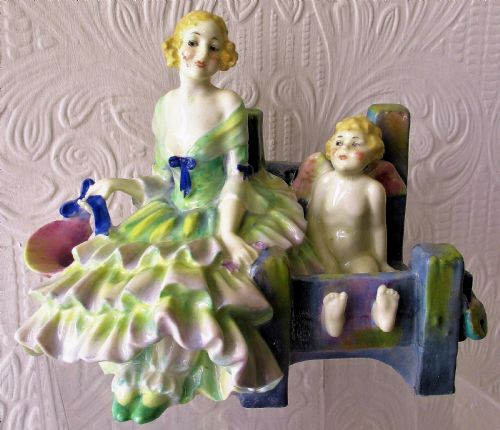
Ceramics and porcelain provide a ground for hand-painted glazes, lustres, and enamels. Studio potteries and major factories applied pigments directly to earthenware and bone china forms to produce detailed figures and decorative vessels.
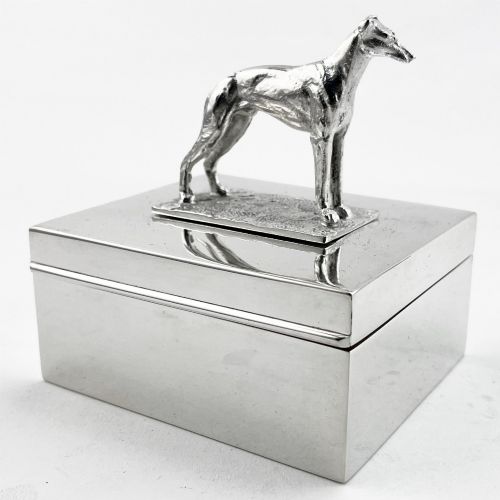
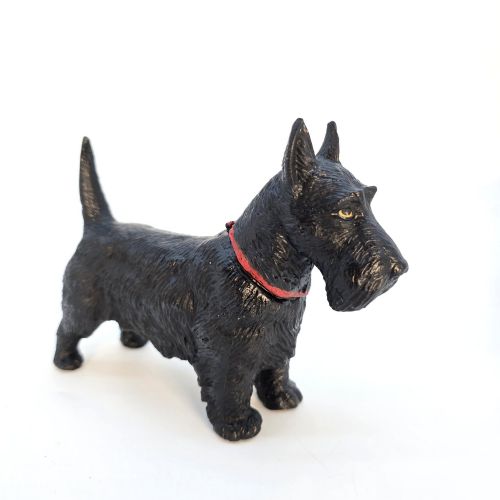
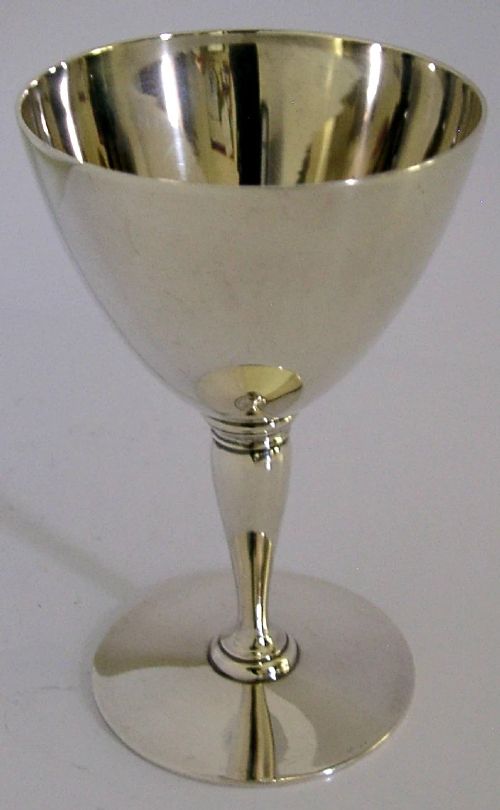
Metals such as silver, bronze, cast metal, and newer synthetic materials like Bakelite and Catalin offer structural rigidity for items ranging from pocket watches to desk accessories. These materials allowed makers to combine utility with the sculptural lines associated with the style.
Collectible Art Deco Retail Price Guide 2026
Typical asking prices for collectible art deco among the pieces listed under this phrase on Sellingantiques today, from the lower quarter to the upper quarter. They describe what is for sale here now, not the wider market.
Materials represented across the selection include frosted glass, opalescent glass, bone china, porcelain, silver, enamel, and early plastics.
Assessing Quality and Execution
The application of surface treatments, such as uniform staining, controlled glaze effects, or hand-painted details, separates standard production from superior examples. Master makers achieved subtlety in colour and finish that elevates the visual impact of the object.
Rene Lalique·Royal Doulton·Charles Vyse·Moorcroft·Wedgwood·Daisy Makeig Jones·Fasold and Stuach·Aristide Maillol
The Collectible Art Deco Glossary
- Opalescent Glass
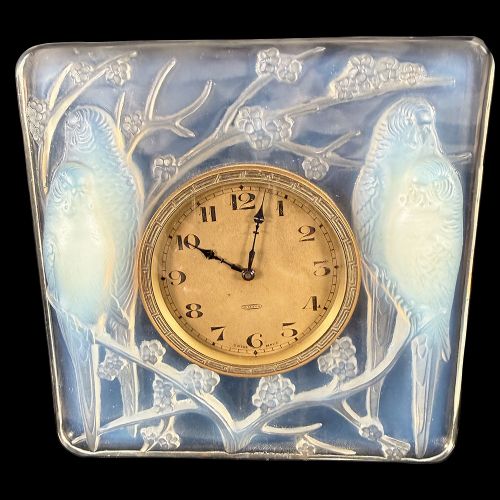
- Glass that diffuses light and displays milky or bluish highlights across its surface. This effect is achieved by adding specific chemical agents to the molten batch before moulding.
- Bone China
- A type of porcelain containing calcined bone ash, which produces a strong, milky-white body. It allows for thin, delicate casting while retaining durability.
- Lustre
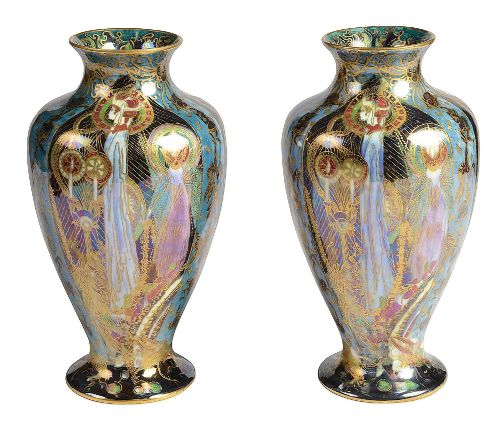
- A ceramic glaze containing metallic salts that produce an iridescent sheen upon firing. Wedgwood Fairyland Lustre uses this technique to create rich, colourful surface effects.
- Spelter
- A zinc alloy frequently utilised as a substitute for bronze in decorative sculptures and figures. It was often patinated or painted to resemble more expensive metals.
- Bakelite
- An early synthetic plastic formed from phenol and formaldehyde. It became popular for durable, colourful objects and desk accessories during the interwar period.
Collectible Art Deco: Frequently Asked Questions
What defines collectible art deco?
Collectible art deco includes decorative objects, glass, ceramics, and accessories produced during the height of the movement in the 1920s and 1930s. These items are defined by their characteristic geometric patterns, stylized figures, and period materials.
Buyers seek out these pieces for their distinct aesthetic and historical connection to the early twentieth century. The category ranges from pressed glass vases to novelty items and pocket watches.
How do I care for glass pieces?
Glass and opalescent items require gentle handling and should be washed by hand in lukewarm water using a mild detergent. Avoid abrasive sponges or harsh chemicals that can damage frosted surfaces or staining.
Display these items away from direct, continuous sunlight and extreme temperature fluctuations. Proper placement protects both the glass structure and any delicate surface patination.
How can I tell the period?
Dating these items involves examining the materials, manufacturing marks, and stylistic characteristics typical of the 1920s and 1930s. Maker signatures, registry numbers, and specific ceramic backstamps provide definitive chronological clues.
Stylistic cues, such as the transition from Edwardian motifs to streamlined modernist forms, also help place an object within its correct decade. Comparing known workshop signatures assists in verification.
Where were these pieces made?
The items originate from various European centres of design and manufacturing, with a strong representation from French studios and British potteries. Paris, Stoke-on-Trent, and Murano were key regions for glassmaking and ceramic production.
Regional styles often reveal the origin, such as French moulded glass or English studio pottery figures. Each geographic area utilised distinct local materials and traditional techniques.