



Collectable Wood Box
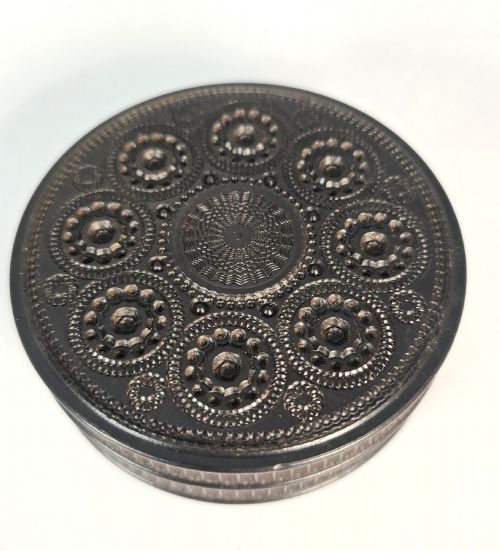
These collectable wood box pieces are small domestic objects and carved containers spanning the Georgian, Victorian, and Edwardian eras.
Collectable Wood Box
When you search for a collectable wood box, you encounter a variety of small functional containers and treen items. The selection on this page centres heavily on nineteenth-century pieces, including Victorian and Edwardian examples.
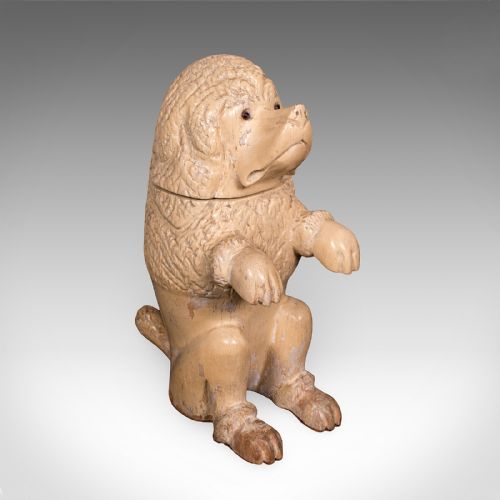
The forms range from utilitarian kitchenalia and string dispensers to tobacco jars, nutmeg graters, and pocket snuff boxes. Many of these items take imaginative novelty shapes, such as animal heads, shoes, barrels, and wine bottles.
Materials and methods of construction
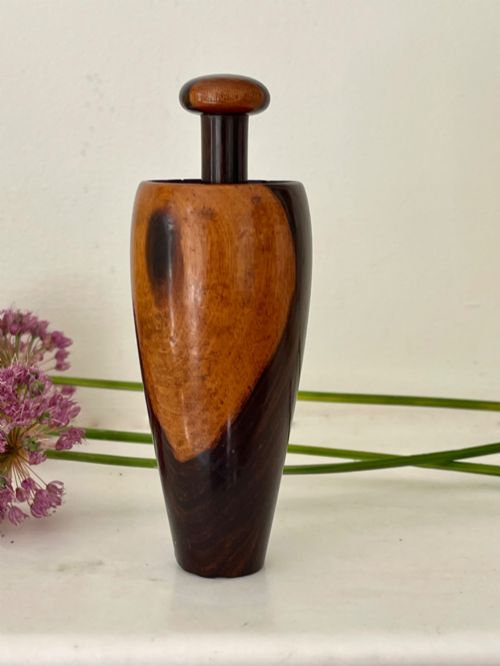
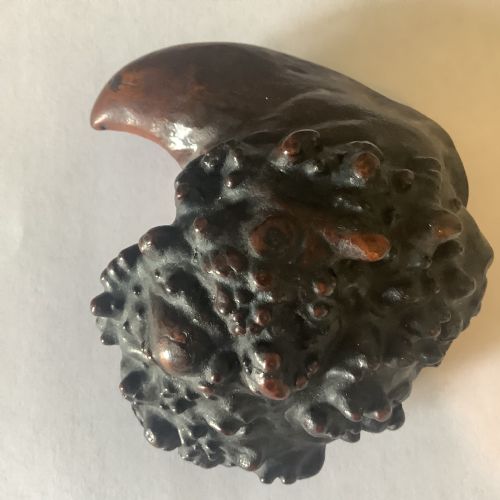
The pieces on this page utilise a wide assortment of timbers, including fruitwood, hardwood, burr walnut, laburnum, yew-wood, ebony, box wood, and mahogany. Artisans also incorporated metal, glass, and tortoiseshell elements into specific designs.
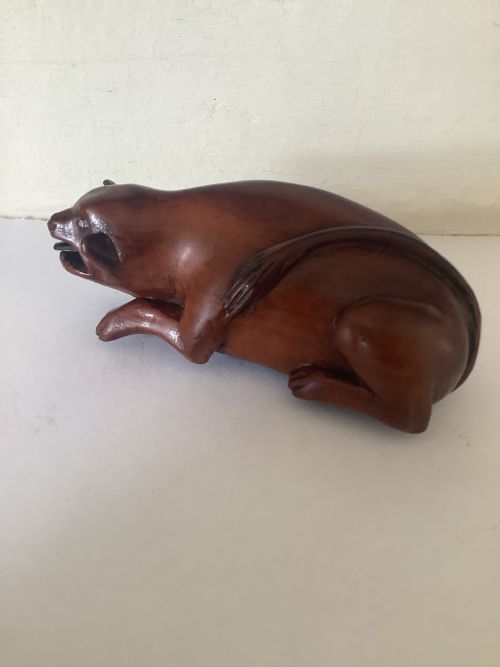
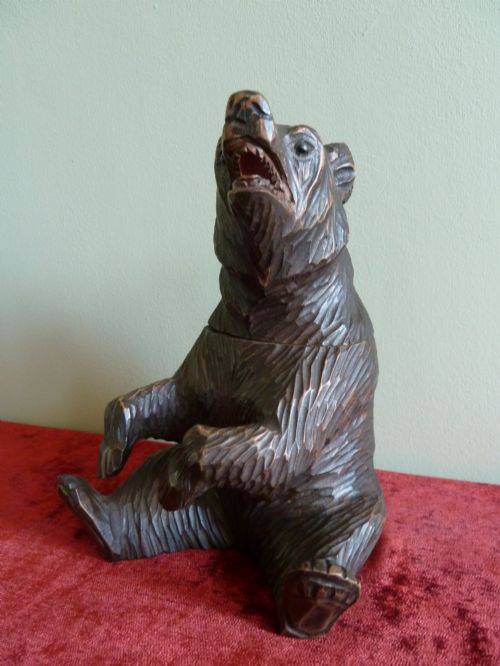
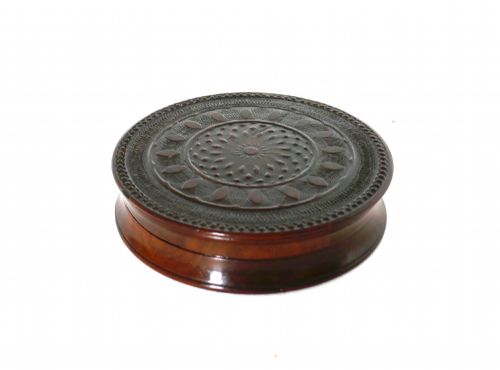
Turning on a lathe produced regular items like barrels and engine turned snuff boxes, while other pieces received detailed hand carving. Black Forest carving techniques and naive folk art methods created figurative animal and novelty items.
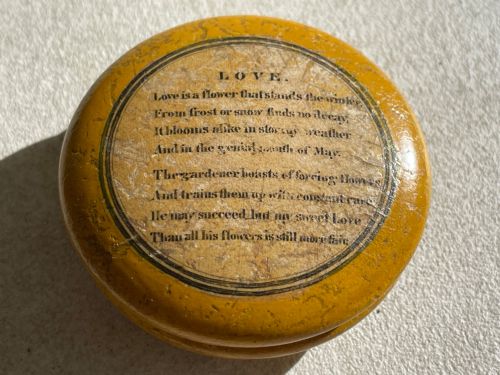
Coopered construction appears in items such as tobacco boxes and pipe stands, showing traditional woodworking joins. Tunbridge Ware stacking pots demonstrate precise surface decoration applied to white wood bases.
Collectable Wood Box Retail Price Guide 2026
Typical asking prices for collectable wood box among the pieces listed under this phrase on Sellingantiques today, from the lower quarter to the upper quarter. They describe what is for sale here now, not the wider market.
Listings feature eighteenth-century Georgian items alongside nineteenth-century Victorian and Edwardian pieces, using fruitwood, hardwood, burr walnut, and metal.
Factors determining quality
The level of detail in the carving distinguishes ordinary containers from exceptional pieces, particularly in figurative items like animal heads and footwear. Crisp engine turning and precise geometric decoration reflect the skill of the original maker.
The choice of timber heavily influences desirability, with burr walnut, figured fruitwoods, and exotic hardwoods commanding greater interest. Natural figuring in the wood grain adds visual depth that plain timbers lack.
Original surface patina and minimal wear preserve the historical character of each object. Intact mechanisms, such as working lids and fitted compartments, maintain the integrity of these antique treen pieces.
The Collectable Wood Box Glossary
- Treen
- Small handmade wooden domestic objects and utensils. This term derives from the old English word for tree.
- Engine turned
- Geometric patterns cut into wood or metal using a lathe with a rotating cutting tool. This technique appears on nineteenth-century snuff boxes.
- Coopered
- Constructed from wooden staves bound together with hoops, similar to barrel making. This method was used for tobacco boxes and pipe stands.
- Folk art
- Utilitarian and decorative items created by self-taught or local artisans outside formal academic traditions. These pieces often display naive charm.
- Tunbridge Ware
- Small wooden items decorated with inlaid mosaic patterns made from many different natural coloured woods. This technique originated in Kent.
Collectable Wood Box: Frequently Asked Questions
What is a treen snuff box?
A treen snuff box is a small carved wooden container once used to hold powdered tobacco. These pocket-sized items often feature hinged or sliding lids.
Craftsmen shaped them from dense timbers to protect the contents from moisture. Many examples from the nineteenth century take unusual novelty forms.
How were antique tobacco jars used?
Antique tobacco jars served to keep pipe tobacco fresh and moist in domestic smoking rooms. Lidded wooden or ceramic containers sealed the leaf against dry air.
They frequently sat on desks or mantelpieces alongside matching pipe stands. Some featured figural animal carvings or coopered stave construction.
What is a string dispenser?
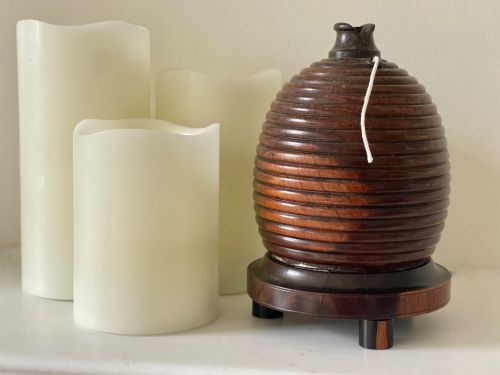
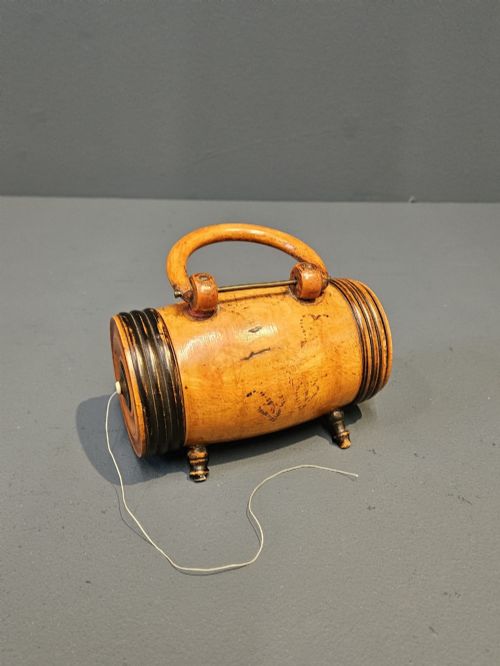
A string dispenser is a desk or kitchen accessory designed to hold a ball of twine and allow easy pulling. These turned wooden barrels kept cord untangled during daily parcel wrapping.
Victorian double ended barrels accommodated different weights of string within a single desktop object.
How do I care for antique wood boxes?
Care for antique wood boxes by placing them away from direct sunlight and sudden temperature changes. Excessive heat can cause natural timber to split or warp over time.
Apply a light microcrystalline wax occasionally to protect the historical surface finish. Avoid liquid cleaners and harsh chemicals on old polished wood.