





Collectable Spoon
A collectable spoon holds centuries of daily ritual and precise metalwork in the palm of your hand.
Collectable Spoon
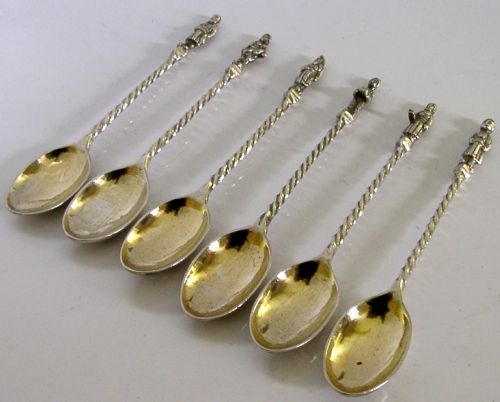
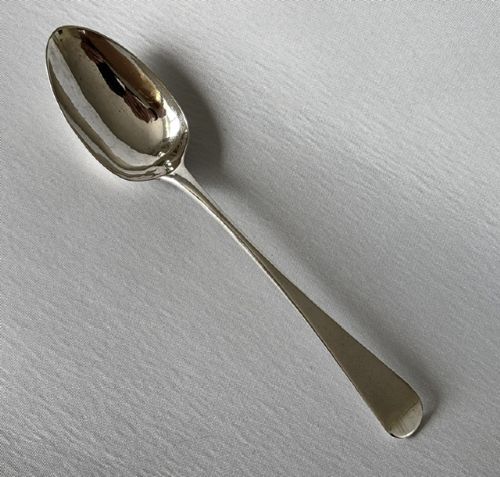
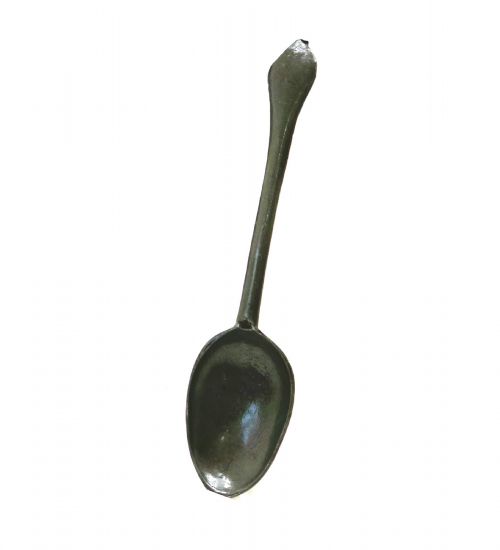
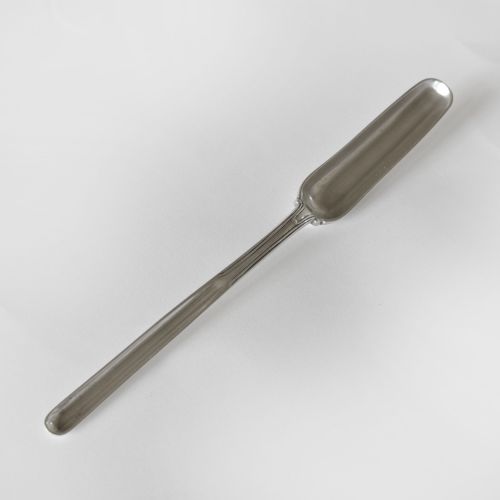
A collectable spoon spans domestic silver, pewter, and metalware from the seventeenth century through to the mid-twentieth century. Pieces range from early provincial dognose tablespoons and trefid forms to specialised caddy spoons, medicine spoons, and souvenir items.
The material record runs from early pewter and treen to sterling silver, silver gilt, and vermeil, often marked by regional assay offices. Styles stretch across Georgian, Victorian, Queen Anne, Edwardian, and Art Deco periods.
Buyers encounter everything from heavy Ottoman figural pieces to delicate Danish silver gilt and enamel Christmas spoons. The variety encompasses both everyday flatware and distinct medical or ceremonial objects.
Materials and methods of early spoons
Early examples rely on solid silver, sterling silver, and pewter, shaped by hand with hammered surfaces and distinct rattails or trefid terminals. Makers utilised traditional casting and hammering techniques, leaving crisp hallmarks and maker's stamps.
Later periods introduce silver plate, glass, and enamel work, particularly in twentieth-century souvenir and commemorative pieces. Surface decoration ranges from plain polished bowls to intricate engraving, crests, and parcel-gilt finishes.
Collectable Spoon Retail Price Guide 2026
Typical asking prices for collectable spoon among the pieces listed under this phrase on Sellingantiques today, from the lower quarter to the upper quarter. They describe what is for sale here now, not the wider market.
The listings span from the seventeenth century through to the 1960s, encompassing sterling silver, pewter, and enamel materials.
Assessing quality in antique spoons
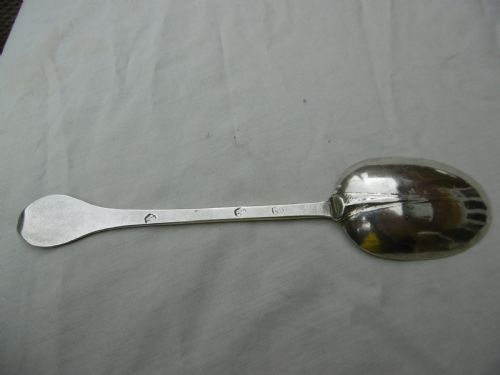
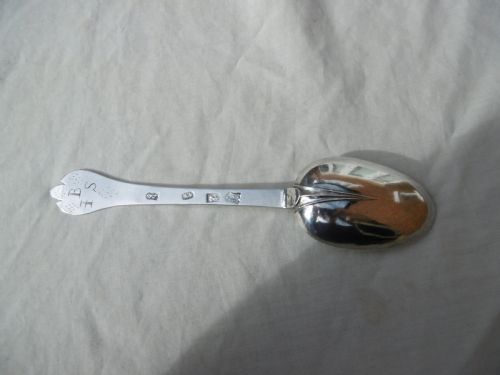
Quality rests on the crispness of the hallmarks, the preservation of original bowl shape, and the clarity of maker's marks from provincial or London assay offices. Early seventeenth-century trefid and dognose spoons command attention when hallmarks remain legible and metal gauge is heavy.
The distinction between ordinary flatware and superior examples lies in specialist forms like medical spoons, jockey cap caddies, or pieces designed by notable makers. Condition of gilding, enamel, and surface engraving directly influences the standing of a piece.
Peter and Jonathan Bateman·William Neale·William Penstone·Isaac Davenport·Benjamin Prosser·Thomas Issoa·Lawrence Coles·Daniel Cary·John King·Archibald Knox
The Collectable Spoon Glossary
- Dognose
- A spoon style succeeding the trefid, featuring an upturned rounded terminal resembling a dog's nose. These pieces date predominantly from the late seventeenth and early eighteenth centuries.
- Rattail
- A narrow tapering spine extending down the back of a spoon bowl from the handle stem. This feature reinforces the joint and appears frequently on early silver spoons.
- Caddy spoon
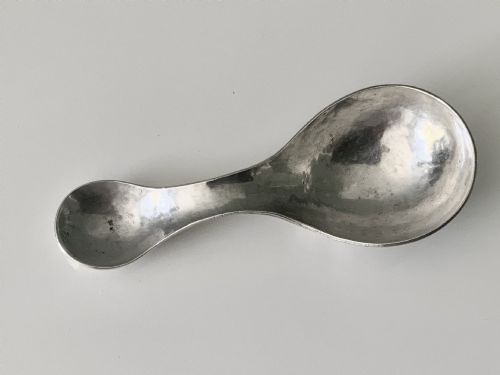
- A short-handled spoon specifically designed for measuring loose tea from a caddy. They often take imaginative forms such as jockey caps or shells.
- Vermeil
- Sterling silver gilt with a thin layer of gold. This finish appears on decorative and ceremonial spoons across various periods.
Collectable Spoon: Frequently Asked Questions
What is a trefid spoon?
A trefid spoon is an early form characterised by a flat, three-lobed handle and a distinct rattail down the back of the bowl. These pieces date from the late seventeenth century.
They represent some of the earliest standard table silver collected today, often bearing clear maker's marks and London hallmarks.
How do I identify a caddy spoon?
Caddy spoons are small utensils designed to scoop dry tea leaves into a pot. They frequently feature decorative bowls shaped like jockey caps, leaves, or shells.
Most examples date from the Georgian and Victorian periods, prized for their compact size and inventive silver work.
What are provincial hallmarks?
Provincial hallmarks are stamps applied outside London by regional assay offices such as Exeter or various English and Scottish towns. They indicate local manufacture and standard of metal.
Collectors value these regional marks for their scarcity and the specific history they attach to an individual piece of flatware.
How were medicine spoons used?
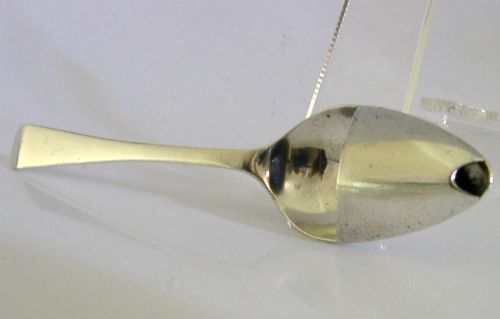
Medicine spoons were specialised vessels featuring enclosed spouts or graduated bowls for administering liquid remedies. Doctors and apothecaries used them to measure precise doses.
These items often survive in sterling silver or silver plate from the Victorian and Edwardian eras, valued as medical collectables.