






Collectable Silver Ornament
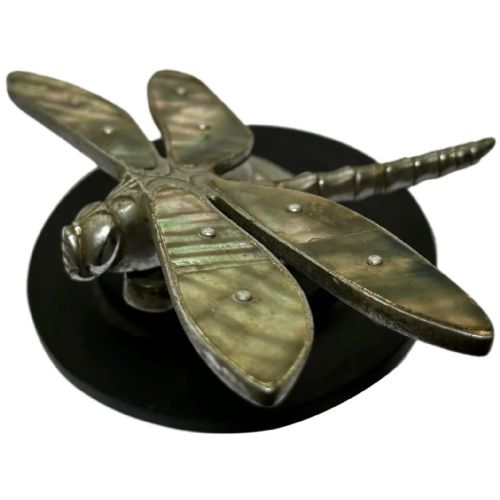
These small pieces of collectable silver ornament span the Victorian, Edwardian, and Art Deco eras, bringing miniature animals, novelty figures, and desk items into the home.
Collectable Silver Ornament
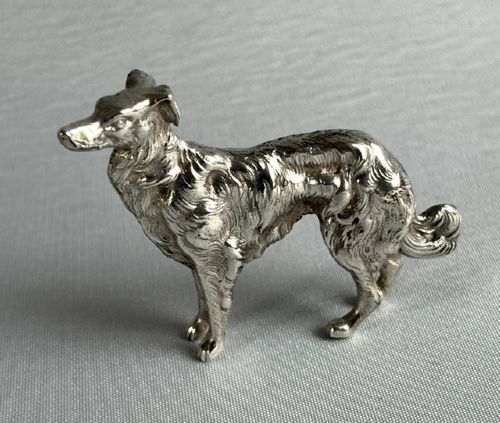
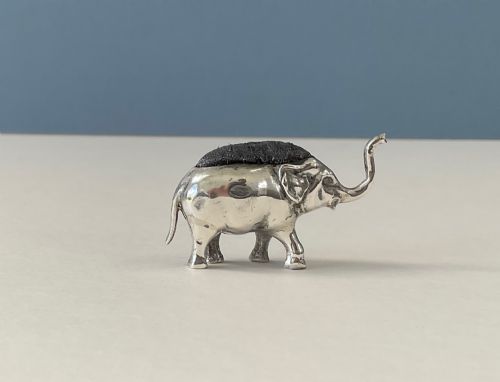
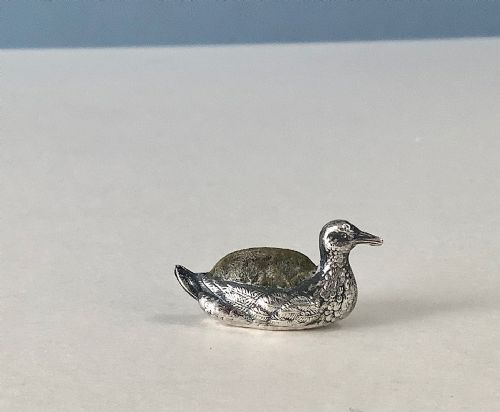
When searching for a collectable silver ornament, buyers encounter a diverse selection of miniature items originating from the Victorian, Edwardian, and Art Deco periods. These pieces frequently take the form of novelty pin cushions shaped as animals, including lions, foxes, kangaroos, and ducks.
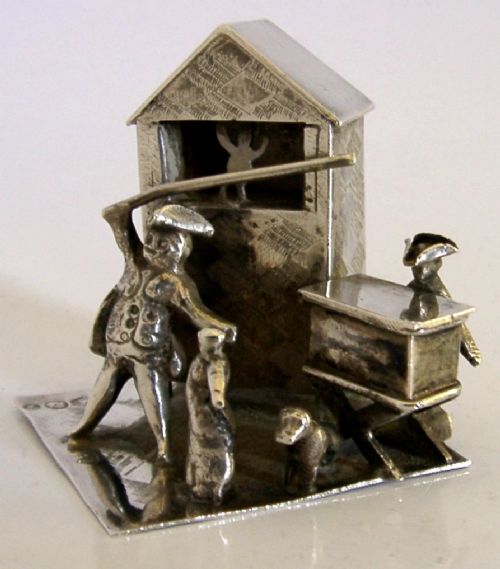
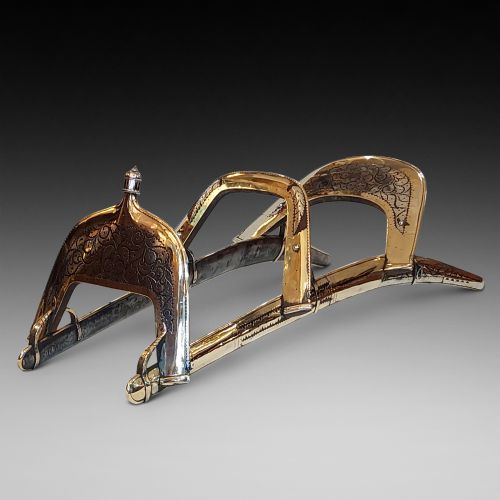
Beyond pin cushions, the selection encompasses intricate silver miniatures such as punch and judy shows, sedan chairs, and camel saddles. Desk accessories like inkwells and paperweights also feature prominently alongside figurative models and sculptural transport items.
The objects span multiple decades from the late nineteenth century through to the 1940s, capturing diverse stylistic influences from Rococo Revival and Arts and Crafts to Ottoman designs and Art Deco modernism.
How they were made
Makers utilised sterling silver, 833 solid silver, and silvered bronze to construct these small decorative items, often combining the metalwork with supportive elements of wood, glass, and fabric.
Pin cushion models integrate organic materials such as velvet within the silver framework to serve a functional purpose on a dressing table or desk.
Enamelwork appears on specific presentation pieces, adding colour to the sterling silver structures alongside sculptural casting techniques used for detailed animal and vehicle models.
Collectable Silver Ornament Retail Price Guide 2026
Typical asking prices for collectable silver ornament among the pieces listed under this phrase on Sellingantiques today, from the lower quarter to the upper quarter. They describe what is for sale here now, not the wider market.
Listings feature items from the Victorian, Edwardian, and Art Deco periods, utilising sterling silver, 833 solid silver, and silvered bronze.
What varies in quality
The standard of these small silver objects rests upon the precision of the miniature modelling and the clarity of the chased or cast details, particularly on novelty animal forms and human figures.
Pieces that retain integrated materials like original velvet inserts or decorative enamel show superior preservation and craftsmanship compared to altered examples.
The distinction between standard decorative items and finer works lies in the complexity of the subject matter, such as architectural sedan chairs or articulated novelty designs.
The Collectable Silver Ornament Glossary
- Sterling Silver
- A standard alloy of silver containing ninety-two point five percent pure silver by mass and seven point five percent other metals, usually copper. This composition provides durability for detailed decorative objects.
- Pin Cushion
- A small domestic accessory designed to hold sewing pins securely. In antique forms, these are frequently fashioned from silver into the shapes of animals and everyday objects.
- Novelty Silver
- Silver items manufactured in amusing, unusual, or unexpected shapes rather than standard domestic forms. Edwardian makers produced many such pieces for desk and dressing table use.
- Silvered Bronze
- A bronze base metal coated with a thin layer of silver or silver-coloured finish. This technique achieves the visual appearance of solid silver while maintaining the structural qualities of bronze.
- Apostle Figure
- A decorative small silver statuette depicting one of the twelve apostles. These figures often date from the Edwardian period and were produced as ornamental desk pieces.
Collectable Silver Ornament: Frequently Asked Questions
What is a silver novelty pin cushion?
These are small decorative items made from sterling silver shaped to resemble animals, birds, or objects like cars and chairs. They combine a functional fabric or velvet cushion insert with detailed metalwork.
Victorian and Edwardian makers produced them in large numbers for dressing tables, and they remain sought-after items for collectors of miniature silver.
How do I identify an Edwardian silver piece?
Edwardian silver objects date from the reign of King Edward VII between 1901 and 1910, though the broader era style often encompasses pieces made slightly before and after. Look for hallmark dates and distinctive stylistic traits associated with the period.
The era favoured novelty items, delicate miniatures, and specific revivals alongside early Arts and Crafts influences.
Were these silver miniatures meant to be used?
Many items served a dual purpose as decorative ornaments and functional accessories for the desk or dressing table. Inkwells held writing fluid, paperweights secured loose documents, and pin cushions aided in sewing.
Over time, their primary role shifted from everyday utility to decorative display within cabinet collections.
What materials are found alongside the silver?
Makers frequently incorporated complementary materials to enhance the function and appearance of these small items. Velvet provides the functional pad for miniature pin cushions, while glass, wood, and fabric support bases or internal structures.
Enamel also appears on specific presentation pieces to introduce vibrant colour contrasts to the metal surface.