






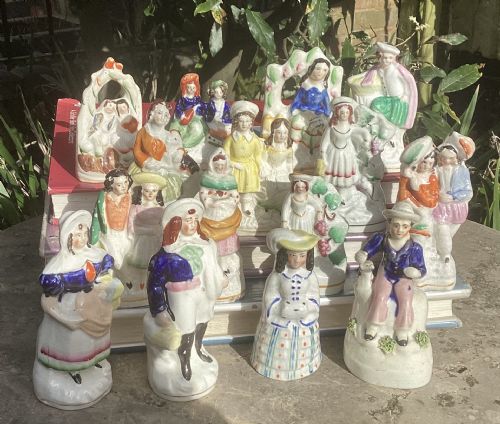
Collectable Pottery Figure
A collectable pottery figure brings character and story to a room, ranging from Georgian portrait pieces to Art Deco studio ceramics.
Collectable Pottery Figure
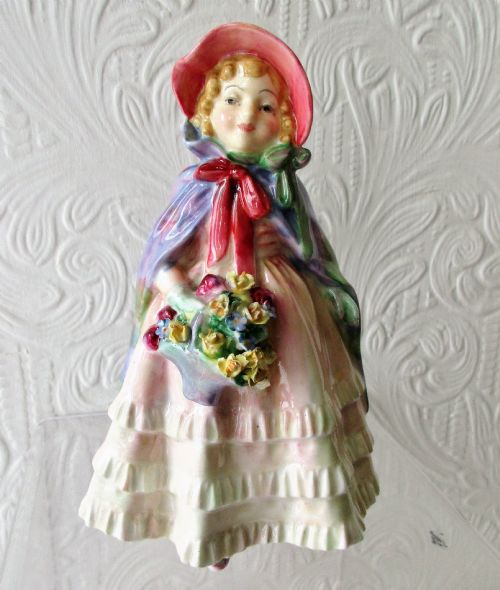
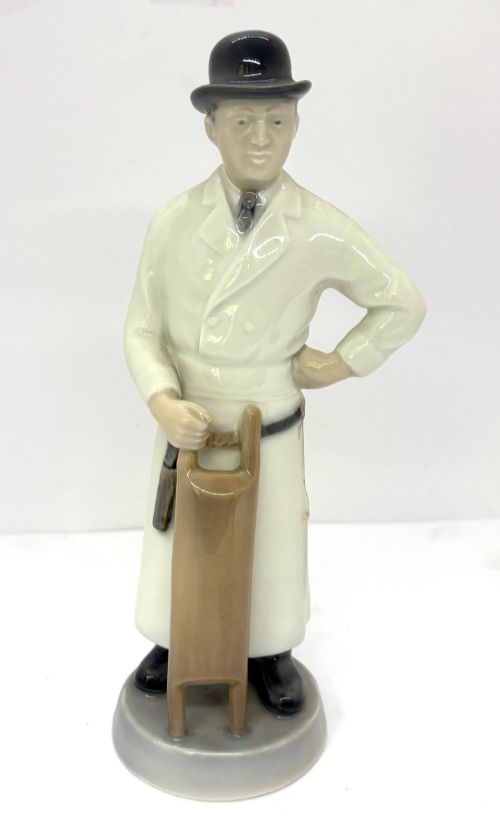
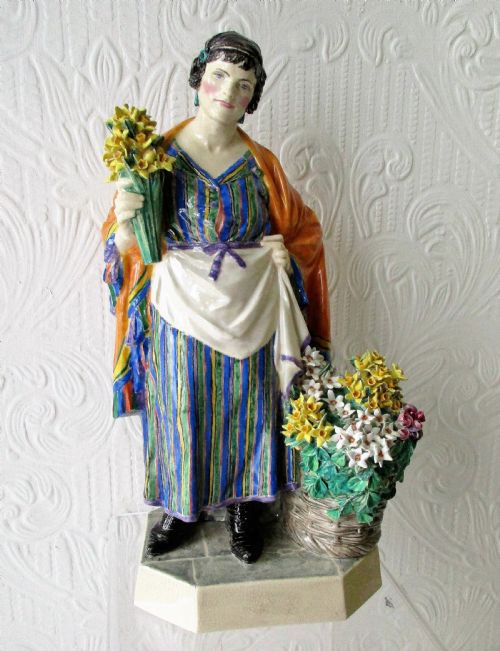
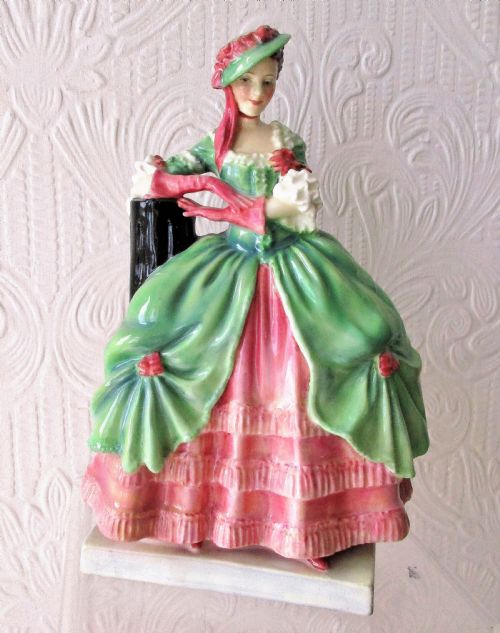
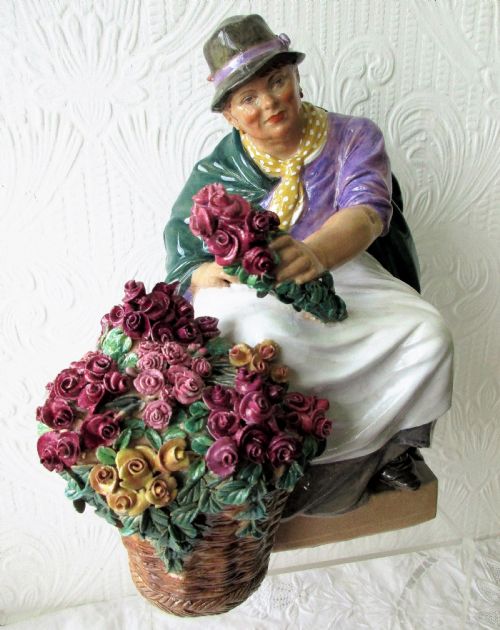
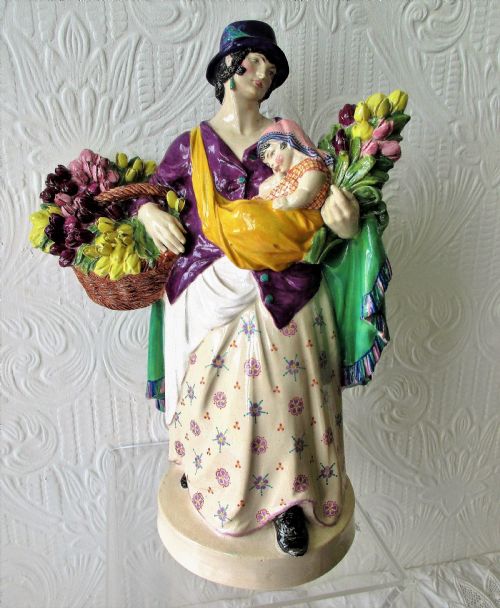
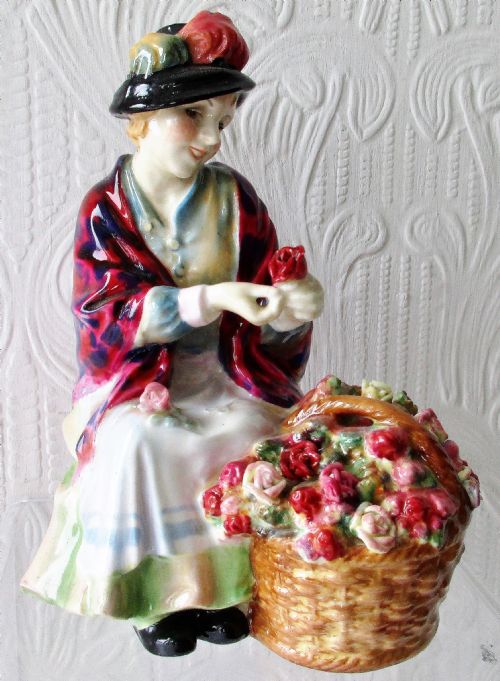
A collectable pottery figure encompasses decorative figurines, ceramic figures, and portrait pieces produced across the nineteenth and twentieth centuries. These works include pairs of Staffordshire pearlware animals, English studio pottery characters, and porcelain figures from major potteries.
Materials and production methods
Makers utilised earthenware, porcelain, terracotta, and pearlware to shape these figures, applying surface glazes and enamels to add colour and definition. Earthenware and pearlware body types dominate the earlier nineteenth-century Staffordshire items, whilst porcelain and glazed ceramic appear frequently in later twentieth-century productions.
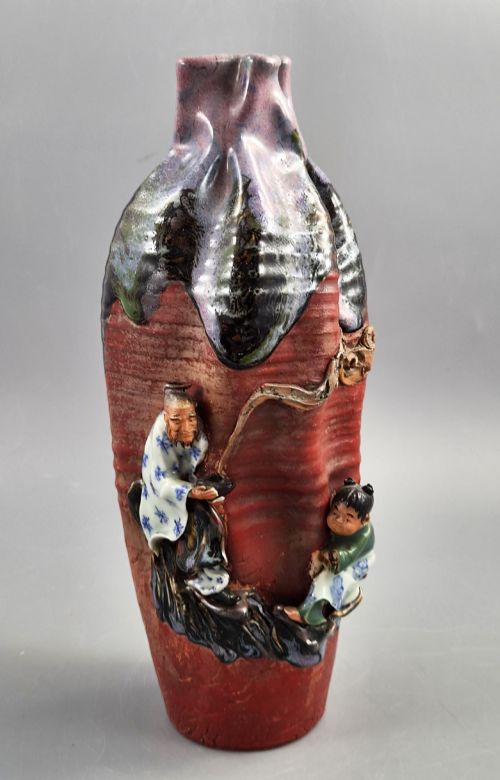
Techniques range from hand-modelled studio pottery to factory-moulded earthenware and porcelain pieces that received hand-painted enamel details. Specialised glazes, such as lavender flambé, enhance specific regional vessels and sculptural works.
Collectable Pottery Figure Retail Price Guide 2026
Typical asking prices for collectable pottery figure among the pieces listed under this phrase on Sellingantiques today, from the lower quarter to the upper quarter. They describe what is for sale here now, not the wider market.
Listings feature earthenware, porcelain, terracotta, and pearlware across the 19th and 20th centuries.
Differentiating quality in figures
The standard of a collectable pottery figure rests upon the crispness of the modelling and the precision of the hand-painted enamel or glaze work. Superior examples display careful attention to facial expressions, costume details, and original surface decoration without excessive wear.
Firm attribution and clear maker identification elevate specific pieces, particularly when supported by recognizable signatures, impressed factory marks, or documented studio output. Figures attributed to known modellers or specific historical potteries retain stronger stylistic definition and historical context.
Charles Vyse·Royal Doulton·Mabel Lucie Attwell Shelley·Wedgwood and Co·Rozenburg
The Collectable Pottery Figure Glossary
- Pearlware
- A refined earthenware developed in the late eighteenth century, featuring a thin glaze that pools with a slight blue tint.
- Flambé glaze
- A rich, streaked ceramic glaze achieved through high-temperature reduction firing, creating complex colour shifts.
- Staffordshire pottery
- Earthenware figures and animals produced by various potteries in the English Midlands region.
- Studio pottery
- Ceramic art objects created by individual artists working independently or in small workshops rather than large factories.
Collectable Pottery Figure: Frequently Asked Questions
What periods do these pottery figures cover?
The pieces span from the Georgian era through the Victorian and Edwardian periods into the 1930s and 1940s.
Production dates include nineteenth-century pearlware and mid-nineteenth-century miniature groups alongside early twentieth-century studio ceramics.
How do I identify different ceramic materials?
Materials range from porous earthenware and pearlware to denser porcelain and terracotta bodies.
Glazes and enamels are applied to the surface to provide colour, texture, and protection to the fired clay underneath.
Where were these ceramic figures made?
Many examples originate from English potteries, particularly Staffordshire workshops and major porcelain manufacturers.
Other notable origins represented in the evidence include Dutch ceramic works and Japanese Meiji period kilns.
How should I display figures in my home?
Figures can be placed on mantelpieces, within cabinets, or on sturdy shelving away from direct heavy traffic.
Their varied sizes, from miniature groups to larger portrait pieces, allow them to sit comfortably in diverse interior settings.