






Collectable Porcelain Pottery
These collectable porcelain pottery pieces span decorative figures, vibrant lustre bowls, and hand-painted vases from the nineteenth century through the mid-twentieth century.
Collectable Porcelain Pottery
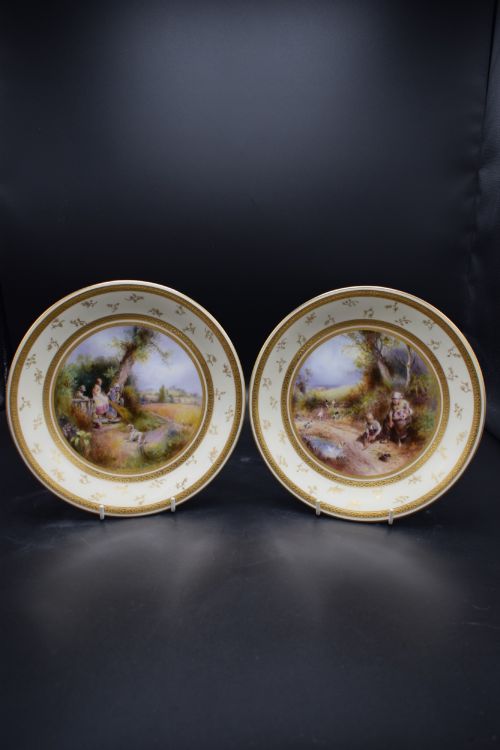
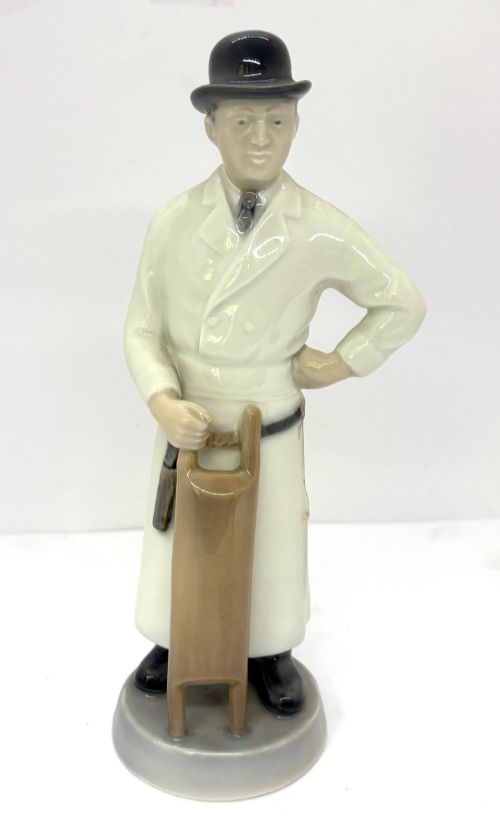
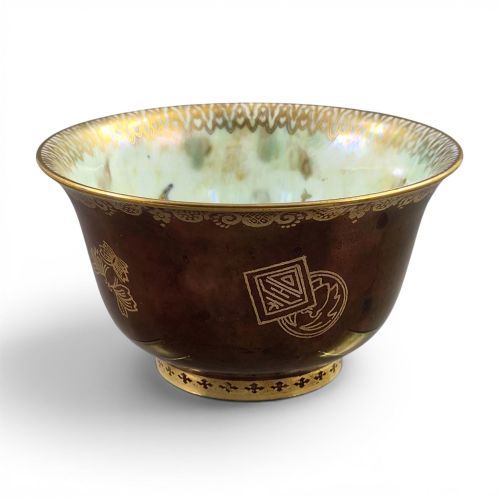
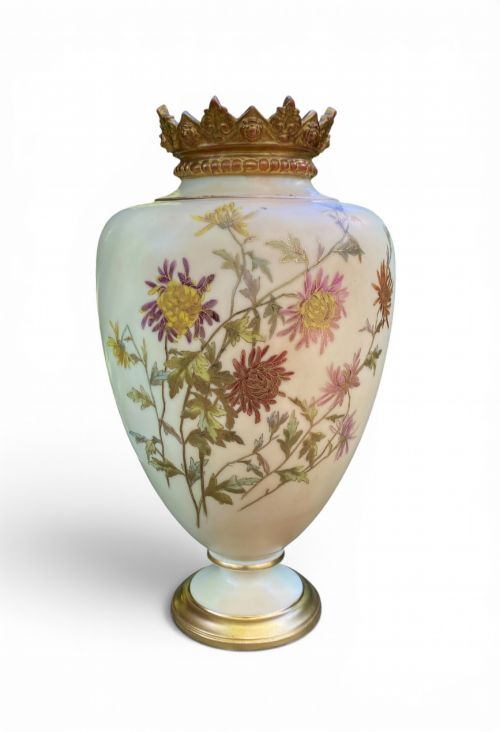
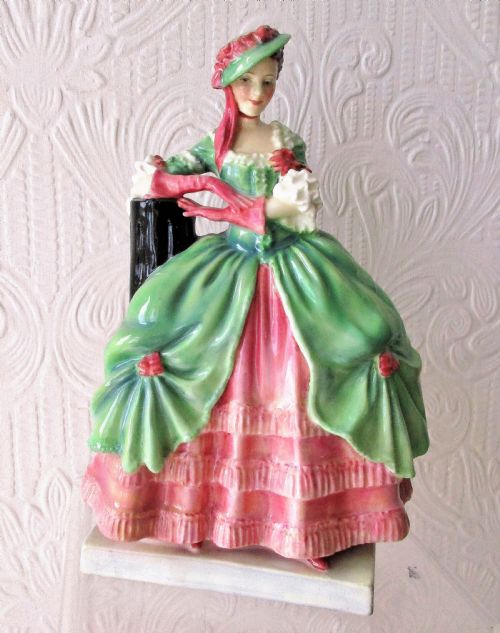
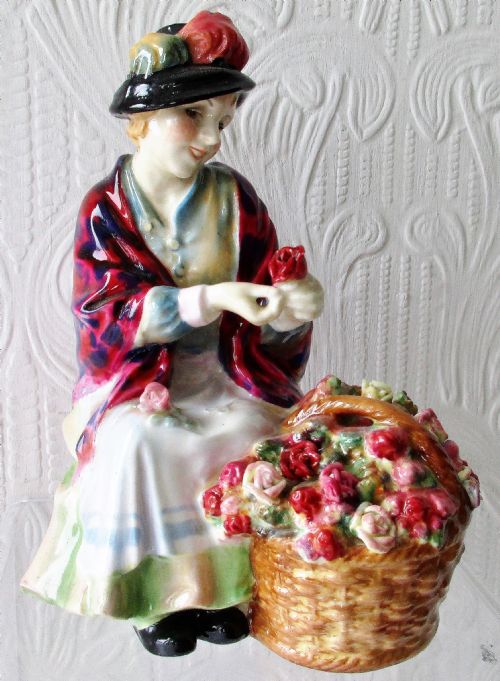
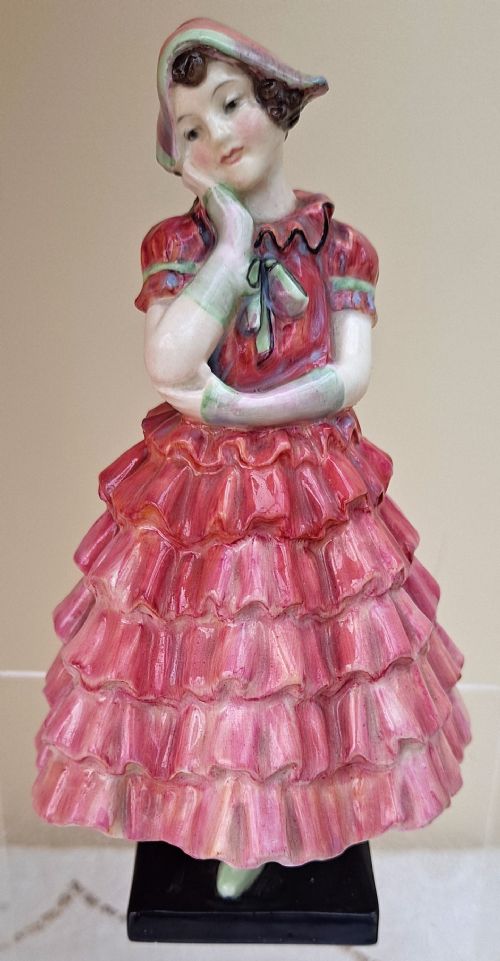
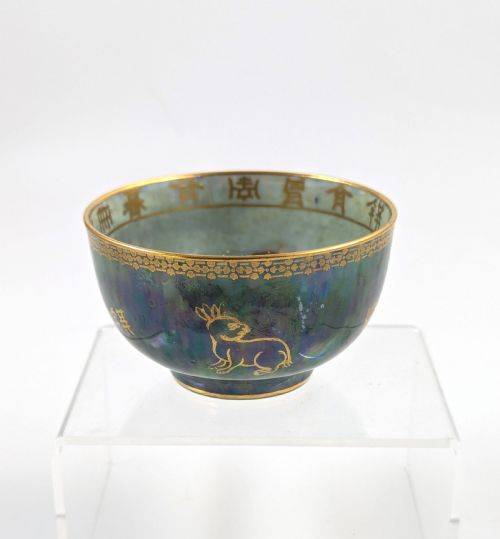
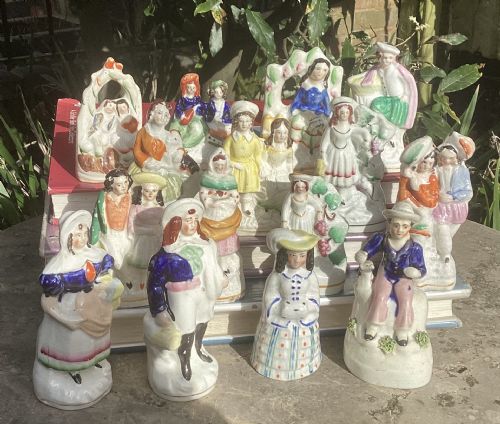
When you search for collectable porcelain pottery, you encounter a diverse range of decorative items, from nineteenth-century Staffordshire figures to twentieth-century lustre wares. The pieces on this page most frequently take the form of porcelain figurines, decorative bowls, and painted vases.
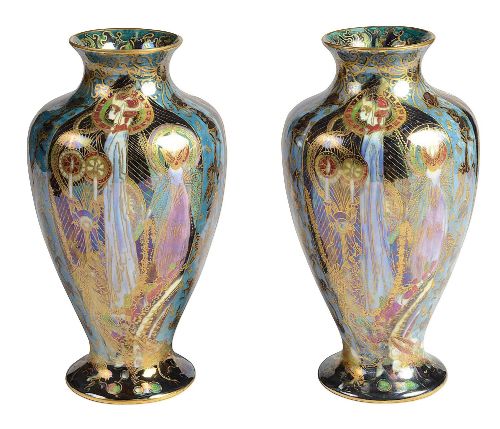
Makers such as Wedgwood and Royal Doulton dominate the selection, offering everything from fairy lustre designs to character figurines. These items capture changing tastes across the Victorian, Edwardian, Art Nouveau, and Art Deco periods.
The assortment balances functional vessels with purely decorative pottery figures, reflecting the varied output of British ceramic manufacturers. Buyers will find both cabinet miniatures and substantial display pieces across these eras.
How they were made
Potters shaped these objects using earthenware, bone china, and porcelain bodies, applying intricate glaze techniques such as lustre finishes and enamel painting. Gold leaf embellishments frequently highlight the finer decorative surfaces on vases and bowls.
Kiln firing set these mineral glazes, fixing metallic oxides to achieve deep ruby, green, and iridescent effects. Hand-painting over transfers brought individual character to figures and landscape scenes alike.
Collectable Porcelain Pottery Retail Price Guide 2026
Typical asking prices for collectable porcelain pottery among the pieces listed under this phrase on Sellingantiques today, from the lower quarter to the upper quarter. They describe what is for sale here now, not the wider market.
Listings span the nineteenth and twentieth centuries, featuring earthenware, bone china, and porcelain decorated with lustre glazes and gold leaf.
What varies in quality
The distinction between ordinary production and superior work rests on the crispness of the moulding and the skill of the hand-painting. Finest pieces display precise brushwork, particularly in complex designs like fairy lustre or painted fruit.
Quality also shows in the depth and evenness of the glaze application, where controlled iridescence elevates a piece significantly. Furthermore, notable ceramic artists signing specific designs command greater attention from discerning collectors.
Royal Staffordshire·Wedgwood·Royal Doulton·Royal Worcester·Shelley·Wedgwood & Co Ltd
The Collectable Porcelain Pottery Glossary
- Lustre glaze
- A metallic glaze that produces an iridescent or pearlescent sheen on pottery surfaces. This technique creates shimmering optical effects under varying light.
- Bone china
- A type of soft-paste porcelain incorporating bone ash for enhanced strength and translucency. It allows for thinner vessel walls while retaining durability.
- Pearlware
- An earthenware body developed in the late eighteenth century with a slightly bluish glaze that mimics Chinese porcelain. It forms the foundation for many early Staffordshire figures.
- Pot pourri
- A decorative vase or vessel pierced with holes to diffuse scent from dried plant materials. These often feature elaborate hand-painted fruit or floral motifs.
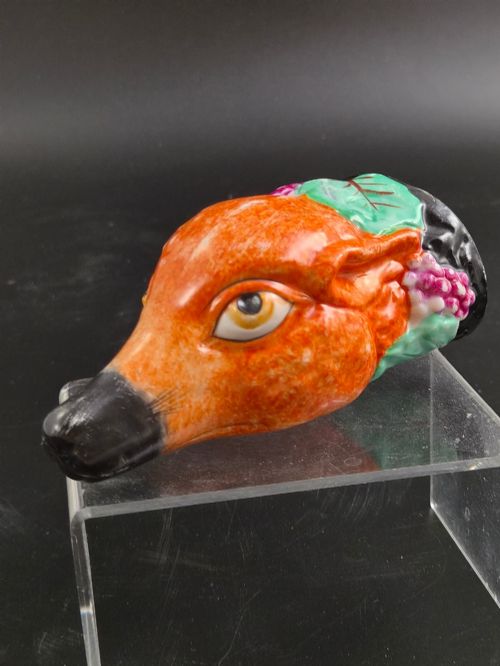
- Stirrup cup
- A ceramic drinking vessel shaped like an animal head, traditionally handed to riders before a hunt. These require careful modelling to capture anatomical details accurately.
Collectable Porcelain Pottery: Frequently Asked Questions
How do I display lustre pottery?
Place lustre bowls and vases where direct natural light can catch the metallic oxides in the glaze. This brings out the iridescent qualities characteristic of these pieces.
Keep them away from damp areas and secure them on stable shelves to protect their delicate painted surfaces from accidental knocks.
Are these figures fragile?
Most porcelain and earthenware figures feature delicate extremities, such as outstretched arms or painted details, which require careful handling. Moving them infrequently reduces the risk of accidental damage.
When cleaning, use a dry, soft brush rather than water or harsh detergents to preserve the original enamel paints and gold leaf highlights.
How can I date my ceramic piece?
Examine the base for maker marks, registration numbers, or impressed stamps that correlate with manufacturer records. Stylistic cues, such as Art Deco geometric lines or Victorian aesthetic motifs, also help narrow down the period.
Comparing the glaze type and manufacturing body against documented examples from makers like Wedgwood or Royal Doulton provides further chronological clarity.
What is the difference between porcelain and earthenware?
Porcelain is fired at higher temperatures until vitrified, resulting in a dense, non-porous material that is often semi-translucent. Earthenware is more porous and opaque, requiring a glazed surface to hold liquids.
Many collectable figures on this page utilise earthenware bodies, while finer decorative vessels lean towards porcelain or bone china.