



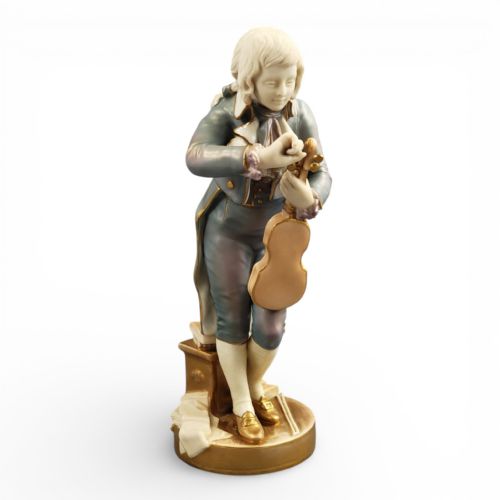


Collectable Ceramic Sculpture
These collectable ceramic sculpture pieces bring character and historic craft straight into a room, offering everything from delicate figures to striking animal models.
Collectable Ceramic Sculpture
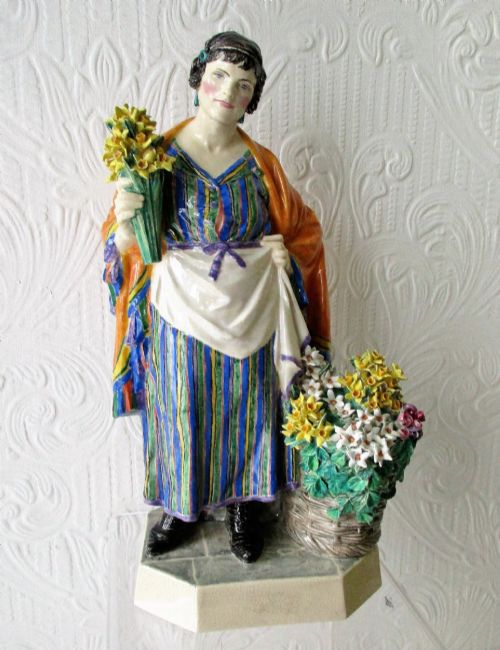
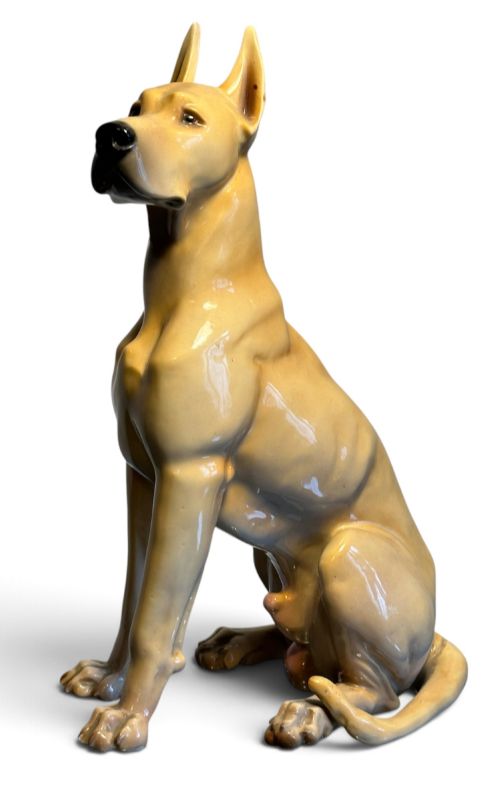
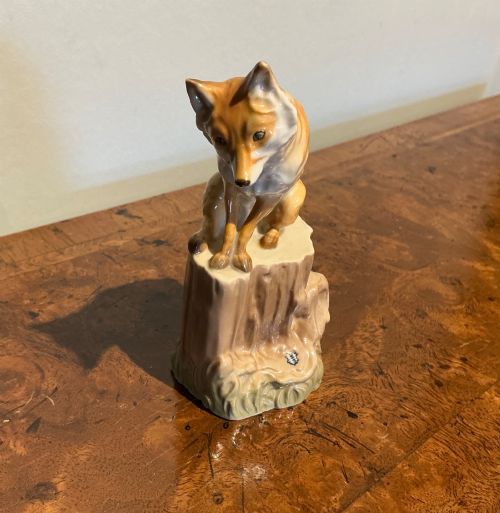
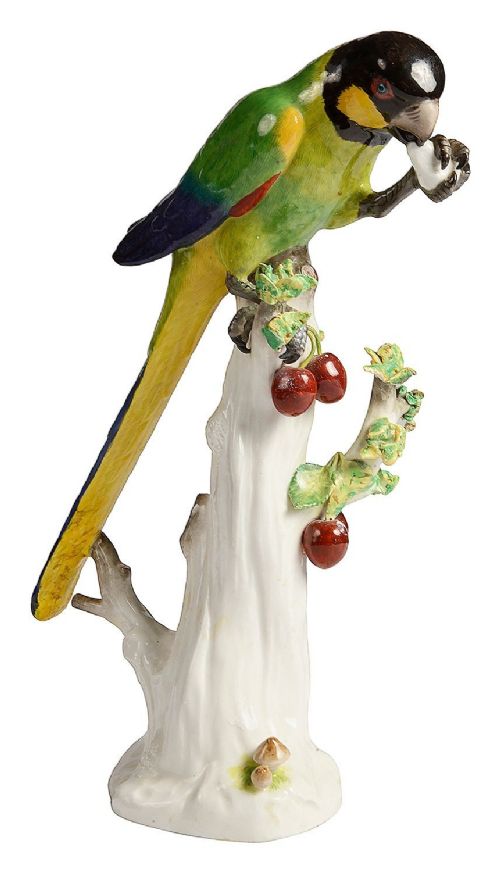
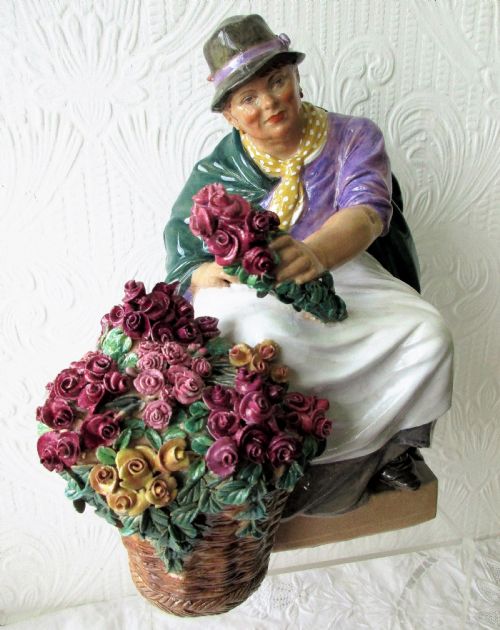
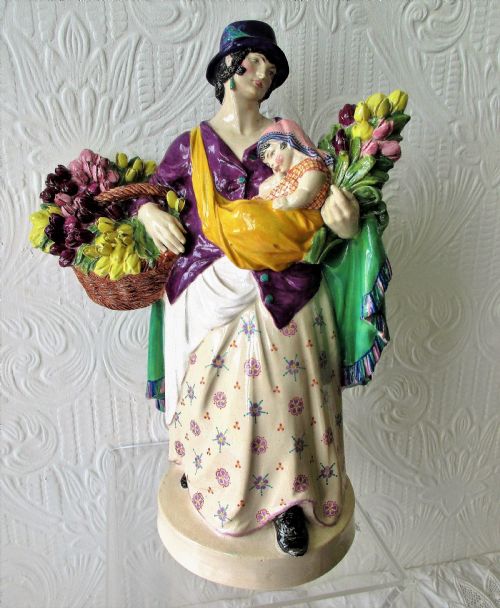
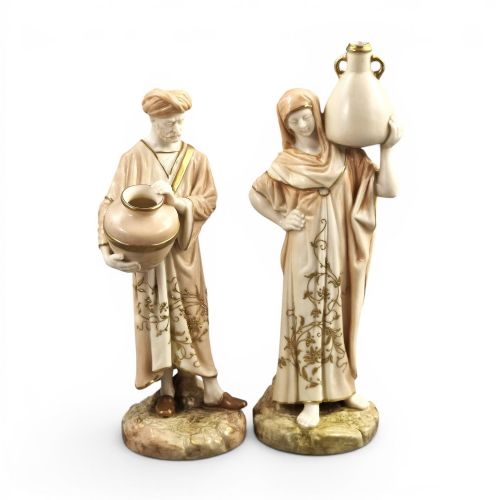
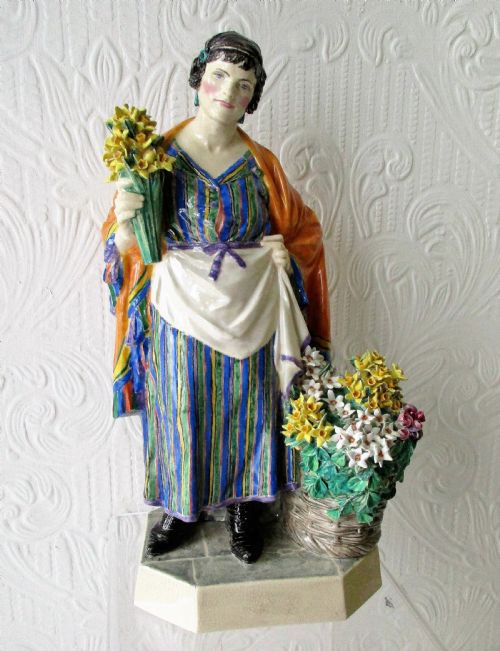
When you search for collectable ceramic sculpture, you encounter a varied selection spanning distinct eras of European ceramic artistry. The pieces on this page range from early Georgian animal models and nineteenth century allegorical figures to twentieth century studio pottery and Art Deco dancers.
Figurines and decorative statuettes dominate the forms you will see, often depicting human characters, water carriers, or expressive animals like parrots and foxes. These sculptural objects capture specific cultural aesthetics, moving from eighteenth century revival designs through to Edwardian elegance and modern studio interpretations.
Materials and methods
Makers utilised high-fired porcelain and earthenware as the foundational bodies for these sculptures, shaping them carefully before applying detailed glazes. Hard-paste porcelain provided a durable and fine base that accepted intricate surface painting and glossy finishes.
Collectable Ceramic Sculpture Retail Price Guide 2026
Typical asking prices for collectable ceramic sculpture among the pieces listed under this phrase on Sellingantiques today, from the lower quarter to the upper quarter. They describe what is for sale here now, not the wider market.
Listings feature porcelain and earthenware figures spanning from the Georgian period through the 1930s, including works by notable English and European potteries.
Assessing quality
The sophistication of the glaze work and the preservation of original gilding also distinguish finer pieces from standard production wares. Master modellers achieved greater realism and expressive posture, which elevates the sculptural presence of the finished ceramic object.
James Hadley·Charles Vyse·Royal Worcester·Meissen·Royal Dux·Nymphenburg·Derby
The Collectable Ceramic Sculpture Glossary
- Hard-paste porcelain
- A dense, vitrified ceramic composition fired at very high temperatures. It uses kaolin and petuntse to create a bright white, durable body that resists scratching.
- Enamel
- Low-firing coloured glass used to paint details onto glazed ceramics. Artisans apply these pigments over the initial glaze before firing the piece again to fuse the colours.
- Allegory
- An artistic representation conveying symbolic meaning through human figures or attributes. Common examples include personifications of the seasons or elements like water.
Collectable Ceramic Sculpture: Frequently Asked Questions
What is the difference between porcelain and earthenware?
Porcelain is fired at much higher temperatures until it becomes fully vitrified, non-porous, and hard enough to ring when gently tapped. Earthenware uses a more porous clay body that requires an opaque glaze to seal the surface completely.
Both materials support fine sculptural work, but porcelain typically allows for sharper details and thinner, more translucent walls.
How can I tell an older figurine from a reproduction?
Examine the underside for factory marks, incised model numbers, and signs of age such as minor wear on the foot rim. Older pieces often show subtle hand-painting variations and natural firing imperfections that modern mass production eliminates.
Consulting recorded model numbers and historical maker marks helps confirm the authentic production period of each specific sculpture.
Where should I display ceramic sculptures at home?
Place your figures in stable display cabinets or on secure shelves away from direct sunlight and heavy foot traffic. Maintaining a consistent indoor environment protects fragile glazes and delicate extremities from accidental damage.
Positioning pieces at eye level allows you to appreciate the fine painted details and expressive modelling of each individual work.