



Collectable Ceramic Art
Collectable ceramic art brings together porcelain, earthenware and bone china pieces spanning periods from the nineteenth century to the mid-twentieth century.
Collectable Ceramic Art
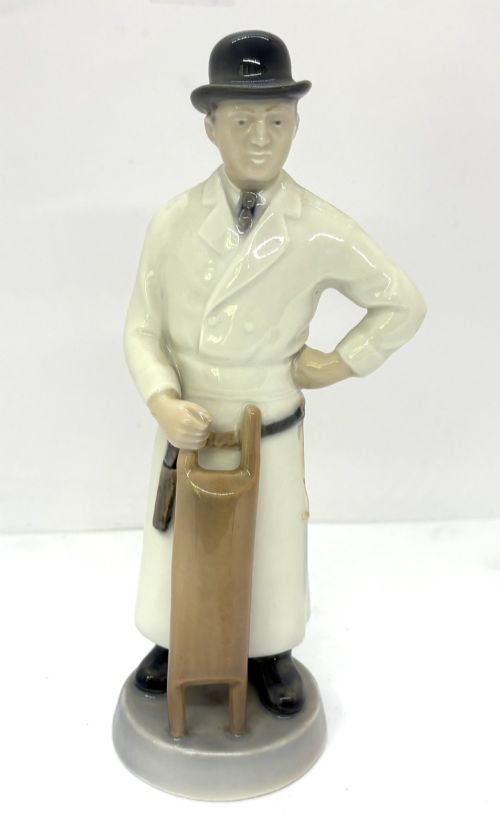
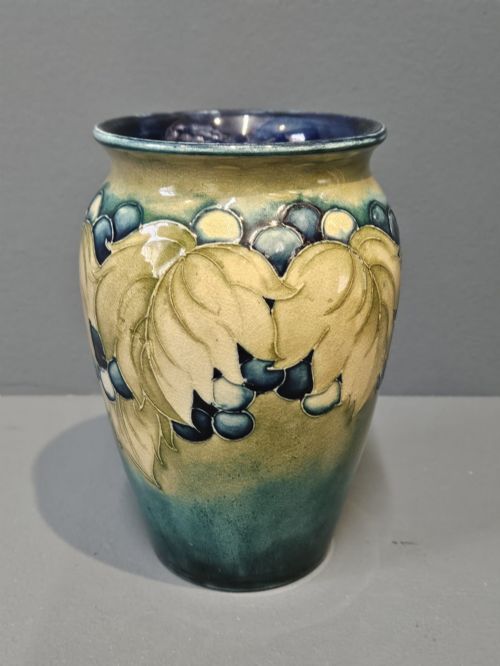
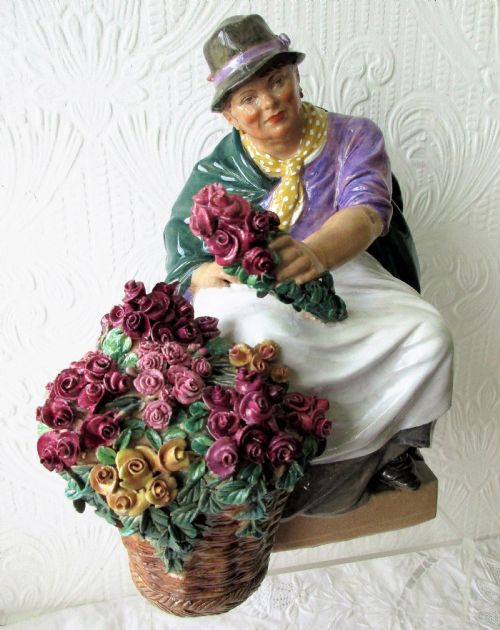
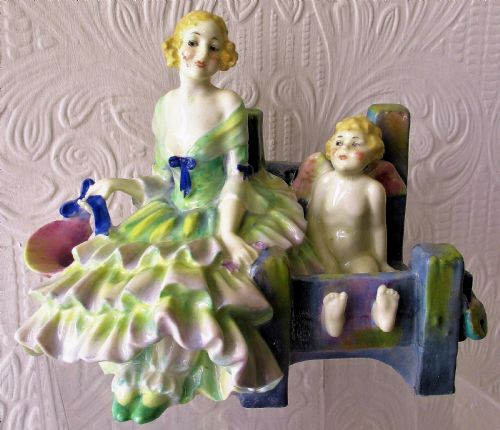
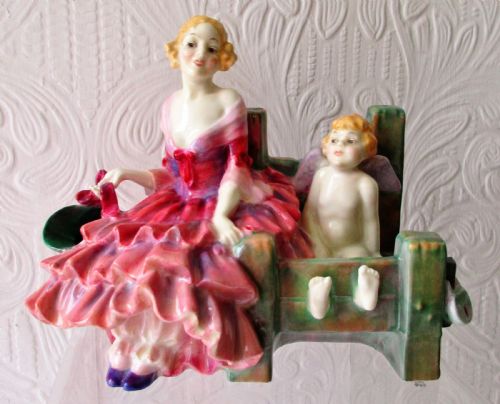
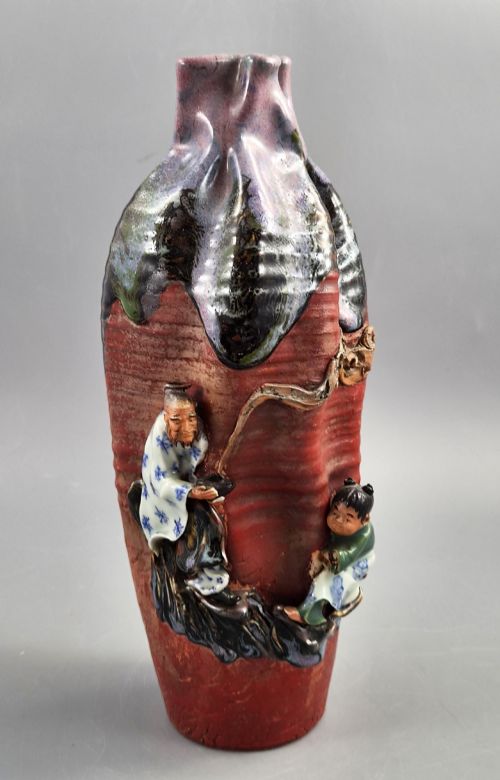
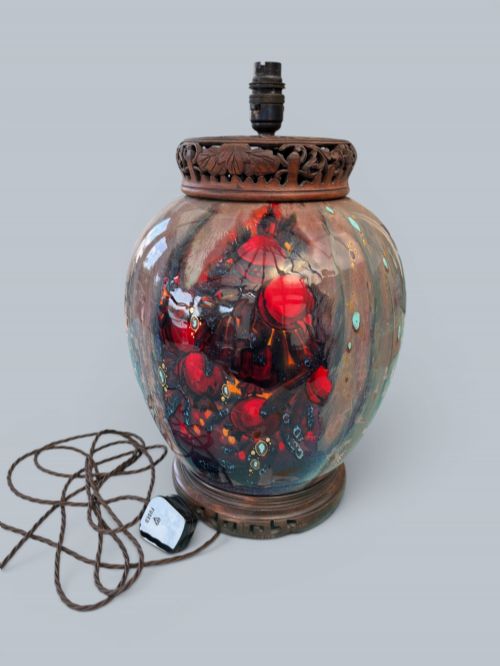
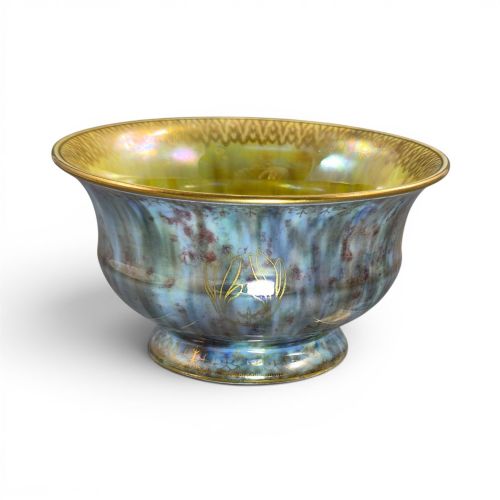
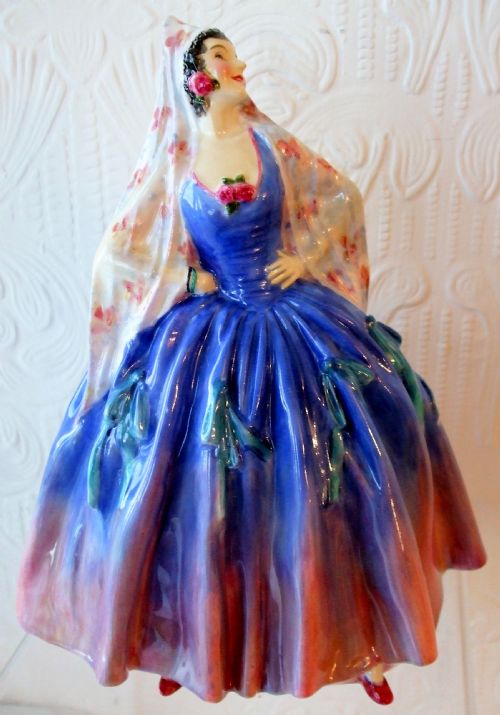
Collectable ceramic art encompasses vases, decorative bowls, figurines, table lamps and money boxes created across various periods including the Edwardian era, the nineteenth century and the 1930s. Vases and decorative bowls frequently display complex glaze work or transfer designs, whilst figurines capture human subjects in distinct styles.
The objects originate from notable manufacturers and individual studios, reflecting movements such as Art Deco, Art Nouveau, Arts and Crafts, and Meiji period Japanese design. Buyers encounter both utilitarian pieces like earthenware money boxes and purely ornamental table lamps or porcelain figures.
English pottery and porcelain feature prominently alongside French ceramic pieces and Japanese vessels. Production methods range from large factory output by firms like Royal Doulton and Wedgwood to specialised studio pottery figures.
Materials and production techniques
Makers utilised ceramic bodies formed from earthenware, porcelain, bone china and studio clay, shaping them into vessels and figures. These bodies received surface treatments including enamel, gold leaf and specialised lustre glaze applications.
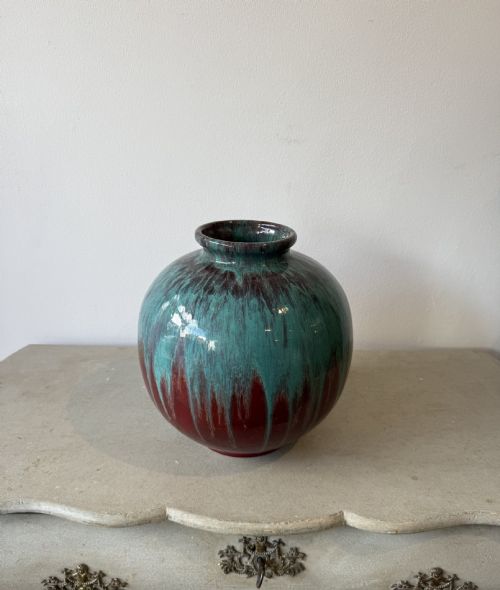
Firing techniques allowed for reactive finishes, producing celadon, flambé and lustre effects across surfaces. Decoration often combined hand painting with moulded relief work, capturing specific patterns such as pomegranate motifs or mythical creatures.
Collectable Ceramic Art Retail Price Guide 2026
Typical asking prices for collectable ceramic art among the pieces listed under this phrase on Sellingantiques today, from the lower quarter to the upper quarter. They describe what is for sale here now, not the wider market.
The inventory includes items from the Meiji period, the Victorian era, Art Nouveau and Art Deco.
Distinctions in quality
Quality rests in the precision of the modelling and the execution of the glaze, particularly where lustre or flambé effects require exact kiln control. Hand-painted details and signed studio pieces show distinct artistic input compared to standard production runs.
The crispness of moulded figures and the depth of colour in applied enamels and gold leaf distinguish superior examples. Condition of the delicate ceramic edges and painted surfaces remains central to the integrity of each piece.
Royal Doulton·Daisy Makeig Jones·William Moorcroft·Charles Vyse·Achille Mollica
The Collectable Ceramic Art Glossary
- Lustre glaze
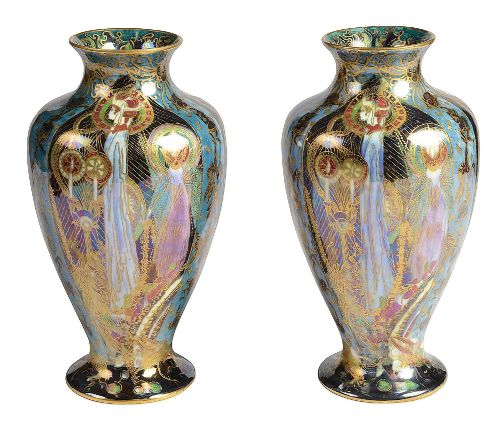
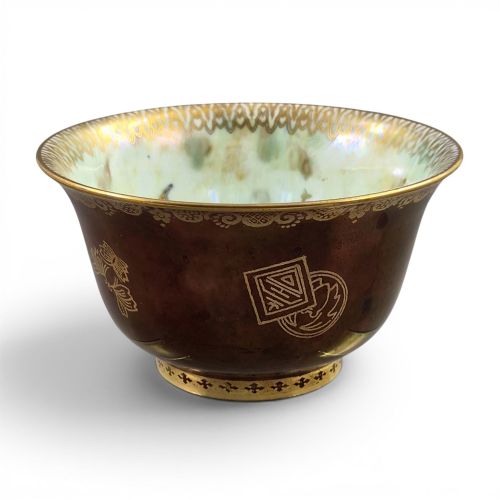
- A metallic ceramic finish that produces an iridescent or pearlescent sheen upon firing. This technique reflects light and creates shifting colour tones across bowls and vases.
- Bone china
- A type of porcelain incorporating bone ash, yielding a durable body with high whiteness and translucency. It allows for thin-walled vessels and detailed figurine casting.
- Earthenware
- A porous pottery body fired at lower temperatures, requiring a glaze to achieve watertightness. Older examples include traditional utilitarian money boxes.
- Celadon
- A pale green jade-like glaze originating in East Asian ceramics and later adopted by Western art potters. The tint derives from iron oxide in the glaze mixture during reduction firing.
- Flambé
- A streaky, variegated glaze effect produced by controlled oxidation and reduction in the kiln. It results in rich red and purple tones with unpredictable pooling.
Collectable Ceramic Art: Frequently Asked Questions
What periods do these ceramics cover?
The pieces span from the nineteenth century through Edwardian times up to the 1940s. They capture shifts in design from Victorian ornamentation to Art Deco geometry.
Production during these decades reflects both industrial scale manufacture and the rise of individual studio pottery movements in Britain and Europe.
How do I identify a lustre glaze?
Lustre glazes display a distinct metallic or pearlescent sheen that catches the light with rainbow or iridescent effects. They appear frequently on decorative bowls and vases from the early twentieth century.
Studio potters and factories used metallic salts in the kiln to achieve these shimmering, light-reflective surfaces.
Where were these ceramic art pieces made?
Originating primarily from British potteries and European studios, the selection also includes Japanese Meiji period vessels. Major European centres and English workshops produced the bulk of the figures and vases.
Items range from large French ceramic vases to English studio pottery and Japanese export works.
How were decorative figurines used?
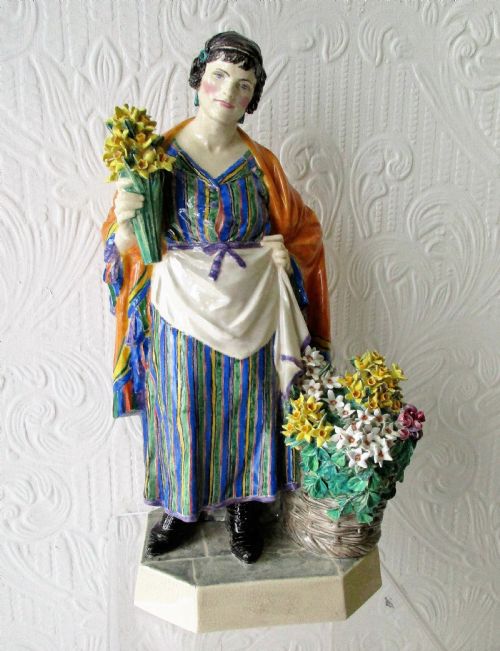
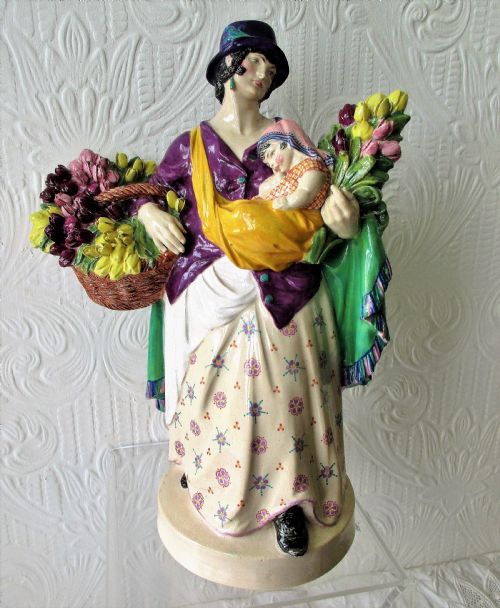
Figurines served as ornamental display pieces on mantelpieces, side tables and cabinets within period homes. They depicted dancers, literary characters and contemporary figures of the era.
Unlike utilitarian items, their purpose was purely visual, capturing human movement and character in porcelain or earthenware.