

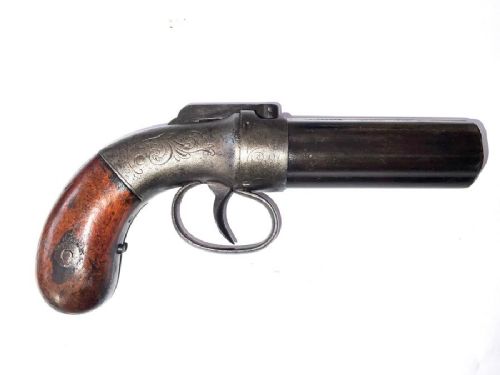


Collectable Gun
These collectable antique gun examples span centuries of mechanical ingenuity, offering a tangible link to military history and personal defence.
Collectable Gun
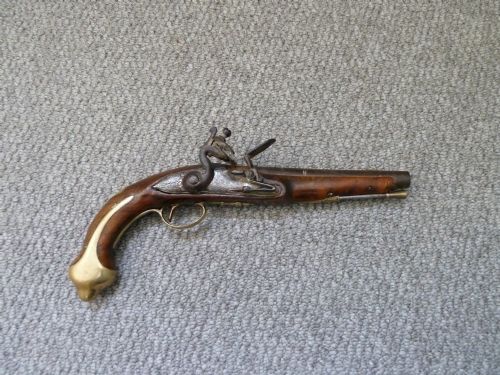
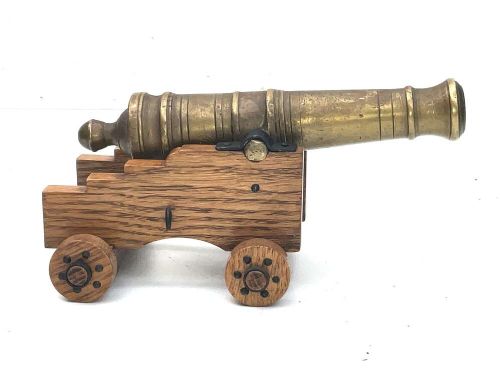
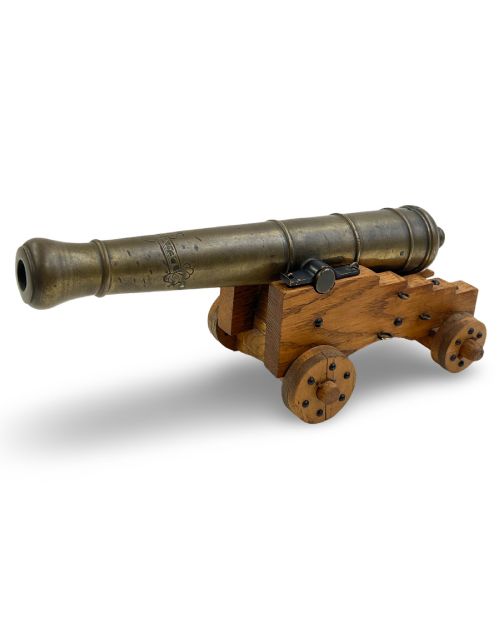
A collectable antique gun encompasses a diverse range of historical firearms and related military items, spanning from the eighteenth century through to the Victorian era. When exploring this category, enthusiasts encounter various forms including flintlock pistols, percussion revolvers, blunderbusses, and signal cannons.
The selection reflects both civilian protection and military service, originating from British, European, and American makers. Pocket pistols, pocket revolvers, and sporting guns sit alongside larger field cannons and powder flasks, creating a comprehensive field for the specialist armourer.
Materials and Construction
Makers utilised robust metals such as steel, iron, and bronze for barrels and mechanisms, ensuring the durability required for functioning firearms and artillery pieces. These metallic components were frequently paired with stocks carved from dense hardwoods like walnut and oak.
Detailing often involved decorative elements including brass mountings and silver wire inlay, particularly on eighteenth-century and Regency pieces. Hand-built construction methods dominated, relying on the individual skill of gunsmiths working in London, provincial workshops, and European centres.
Collectable Gun Retail Price Guide 2026
Typical asking prices for collectable gun among the pieces listed under this phrase on Sellingantiques today, from the lower quarter to the upper quarter. They describe what is for sale here now, not the wider market.
Listings feature eighteenth-century and nineteenth-century pieces incorporating walnut, steel, brass, and silver.
Judging Quality and Execution
Quality in these pieces rests upon the precision of the lock mechanism, the crispness of metal engraving, and the integrity of the wooden stock. Superior examples demonstrate smooth action movement and tight fitting between metal and wood components.
Signed works by established makers command greater interest due to documented craftsmanship and historical attribution. The presence of matching serial numbers, original accessories, and untouched patination further distinguish higher-tier pieces within the category.
Henry Nock·James Barber·Timothy Hughes·Auguste Francotte·John Manton·Meyer And Mortimer·Barber Of Newark·Allen And Thurber
The Collectable Gun Glossary
- Flintlock
- An ignition mechanism utilising a flint struck against a steel frizzen to create sparks that ignite the gunpowder charge. This system dominated firearm design throughout the eighteenth and early nineteenth centuries.
- Percussion cap
- A small metal cup containing priming compound placed on a nipple, struck by the hammer to fire the weapon. This mid-nineteenth-century innovation largely replaced the earlier flintlock system.
- Pepperbox revolver
- A multi-barrel firearm where the entire cylinder rotates to align each chamber with the hammer and single barrel. These were popular for personal defence during the nineteenth century.
- Snaphaunce
- An early form of flintlock ignition using a separately pivoted steel and pan cover. It represents an evolutionary step in firearm technology.
- Canon barrel
- A barrel shaped like a small cannon, widening noticeably at the muzzle. This design is frequently observed on Queen Anne style pocket pistols.
Collectable Gun: Frequently Asked Questions
What defines an antique gun?
An antique gun refers to a firearm produced in centuries past, typically prior to the modern cartridge era. These items encompass flintlock, matchlock, and percussion systems.
They reflect the technological and decorative standards of periods such as the Georgian and Victorian eras, serving as historical artefacts rather than modern utility weapons.
How do flintlock and percussion pistols differ?
Flintlock pistols use a piece of flint striking a steel frizzen to generate a spark for ignition. This mechanical process is visible on the outside of the lock plate.
Percussion pistols rely on a hammer striking a small explosive cap placed on a nipple. This later system proved more reliable in wet weather.
Were pocket pistols used for self defence?
Pocket pistols served primarily as concealed personal protection weapons for civilians navigating dangerous streets. Their compact size allowed them to fit easily into pockets or muffs.
Travellers and gamblers frequently carried these small firearms, such as the Victorian defender or Queen Anne styles, for immediate security.
How are periods identified on antique arms?
Periods are identified through stylistic markers, mechanical design evolution, and maker signatures. Gunsmiths often stamped their names and town locations directly onto the metal lock plates.
Stylistic cues such as silver wire inlay, wood type like walnut, and barrel shape provide additional clues for dating an item to the Georgian or Victorian eras.
How should antique guns be displayed?
Antique guns are best displayed in stable environments away from direct sunlight and excessive humidity. Wall mounting brackets or dedicated glass cabinets protect the wood and metal from physical damage.
Maintaining a consistent room temperature prevents the walnut stocks from drying out and the steel components from developing active corrosion.