
Cold Painted Sculpture Figure
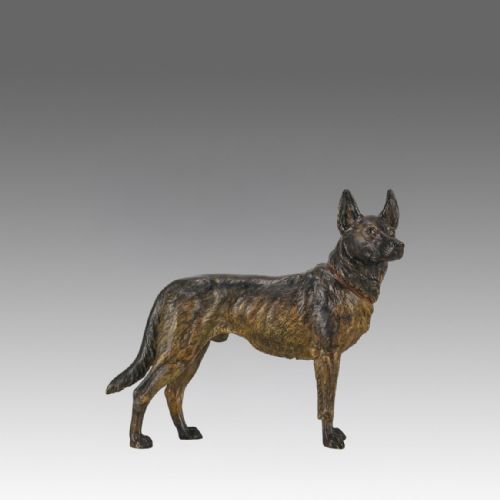
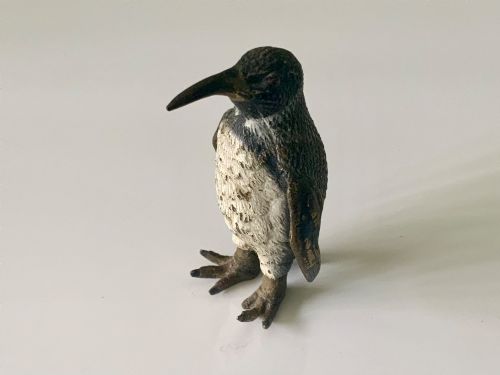
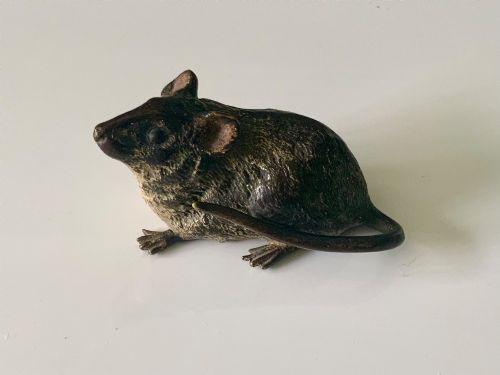
When you search for cold painted sculpture figure, you find small bronze and spelter works brought to life with vibrant, applied colour.
Cold Painted Sculpture Figure
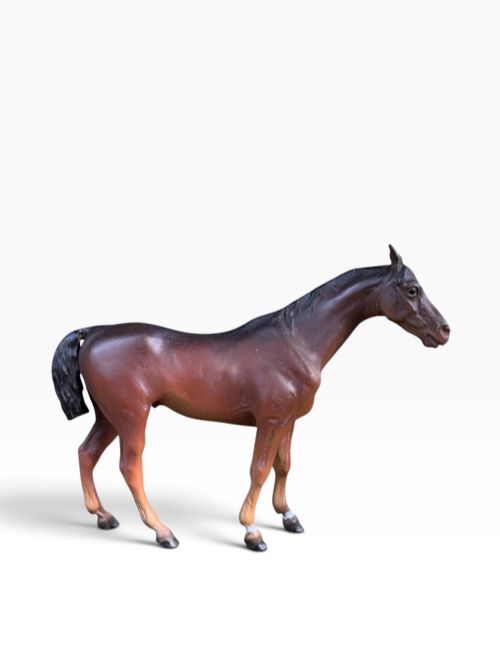
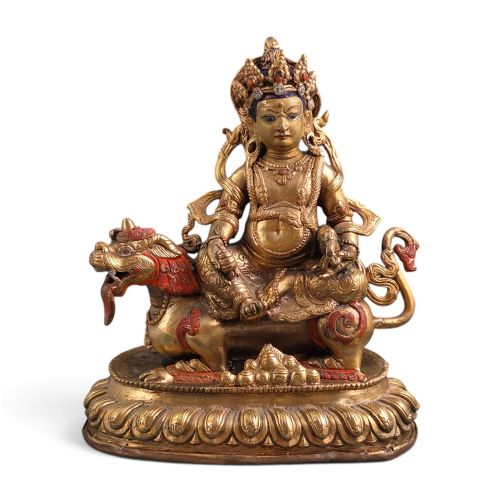
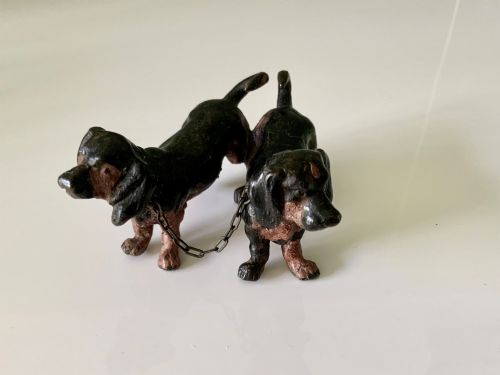
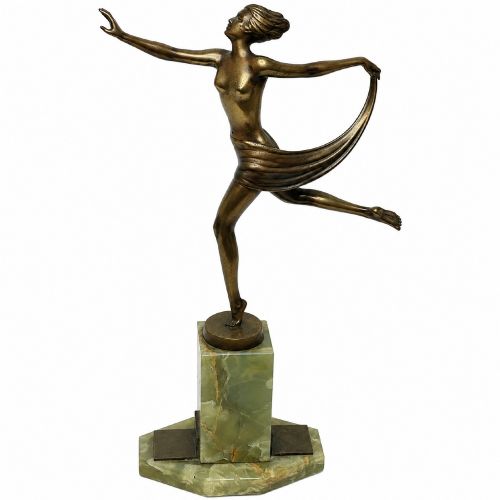
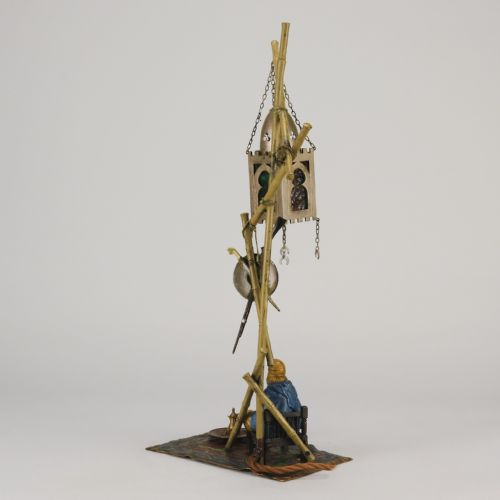
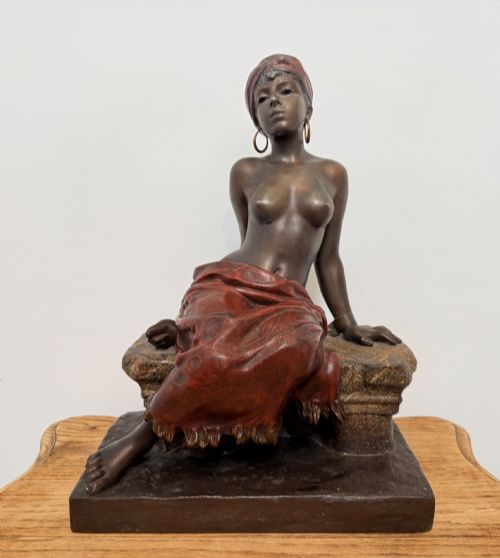
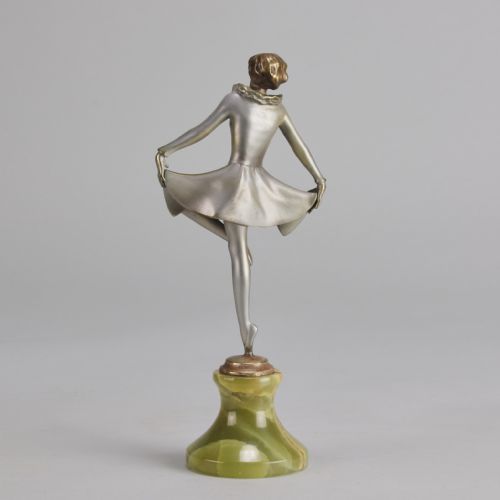
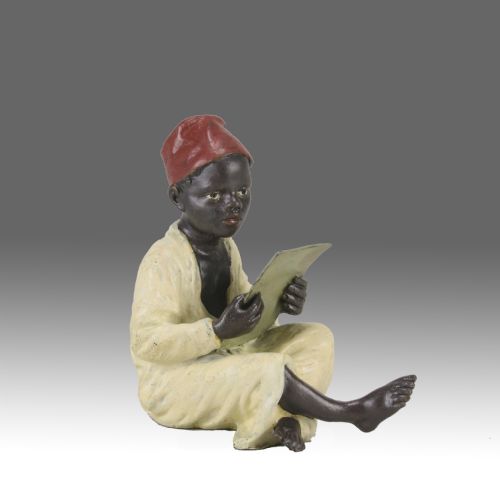
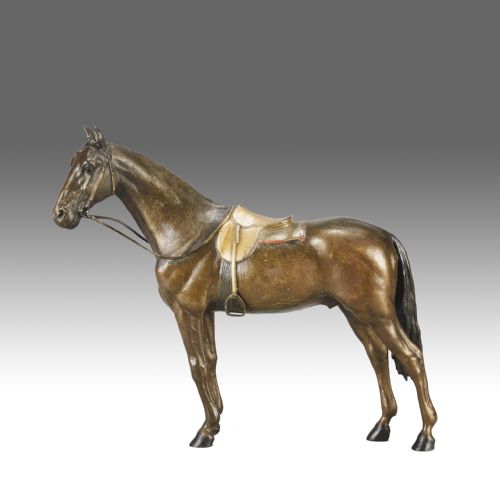
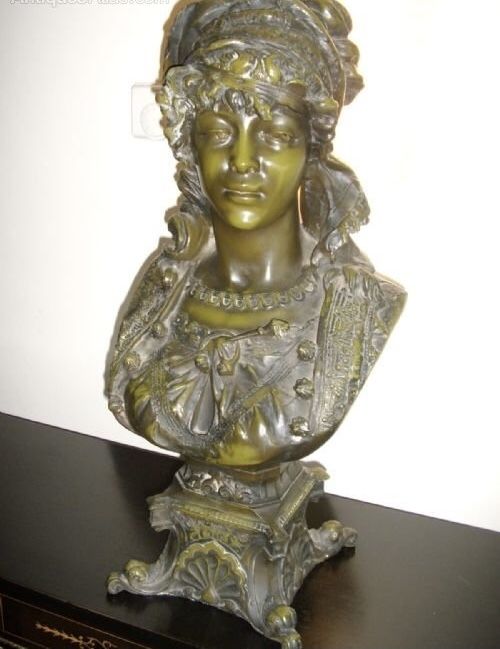
A cold painted sculpture figure is a decorative bronze or spelter cast detailed with non-fired paint, creating vivid depictions of animals, human figures, and orientalist scenes. The pieces on this page span the late nineteenth century into the mid-twentieth century, capturing the height of Austrian and European foundries.
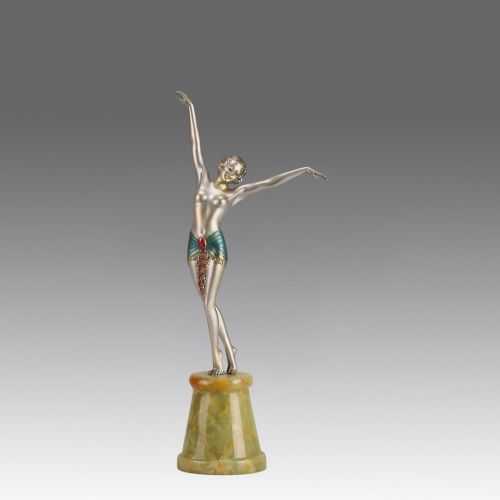
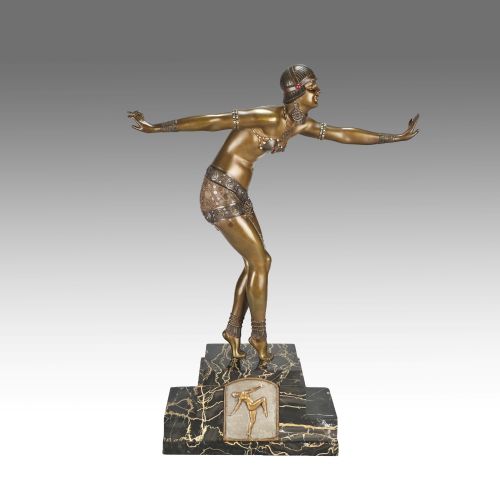
Most examples you meet here are compact cabinet bronzes or animal studies originating from Vienna, often bearing the marks or style of major workshops. Figures range from realistic birds and dogs to stylised Art Deco dancers and dancers of the ballets russes.
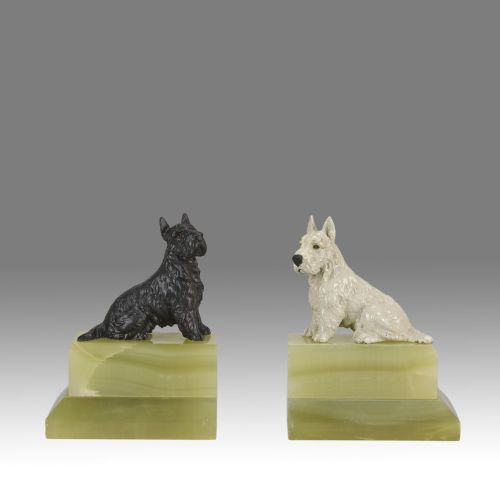
Makers utilised various mounting materials like green onyx and marble to anchor these metal figures. Whether portraying an animalier study or an elaborate human subject, these objects combine metalcasting with meticulous surface painting.
How they were made
Foundries cast these pieces primarily in bronze or spelter using traditional methods, creating hollow or solid figures ready for surface enrichment. Artisans then applied cold paint - a non-fired pigment technique - directly onto the metal surface, sometimes over a thin ground layer to secure the colour.
What varies in quality
The degree of hand-painting finesse separates standard production pieces from exceptional works, visible in the precision of brushwork and the subtlety of shading across garments or feathers. Superior castings display crisp chiselling beneath the paint layers, retaining sharp anatomical or architectural details that lesser casts lose.
Originality of the cold-painted surface dictates desirability and value, as repainted or touch-up surfaces alter the historical integrity of the object. The integration of high-grade mounting bases, such as carved green onyx or marble, also distinguishes the more ambitious foundry productions.
Franz Bergman·Josef Lorenzl·Pierre le Faguays·Ferdinand Preiss·Demetre Chiparus·Fabergé
The Cold Painted Sculpture Figure Glossary
- Cold-painted
- A technique where paint is applied to a metal sculpture without subsequent kiln firing. This method allows for a wide palette of opaque colours but makes the surface vulnerable to scratching and flaking over time.
- Vienna bronze
- Small, highly detailed bronze sculptures produced in Austrian foundries during the late nineteenth and early twentieth centuries. They are particularly famous for animalier subjects and orientalist figures.
- Spelter
- A zinc alloy commonly used as a less expensive substitute for bronze in decorative figures and bookends. It is softer than bronze and frequently found finished with cold paint or metallic patination.
- Animalier
- A nineteenth-century artistic genre focusing on the realistic portrayal of animals. Sculptures in this style capture creatures in natural postures or engaged in dynamic movement.
Cold Painted Sculpture Figure: Frequently Asked Questions
What is a cold painted sculpture?
A cold painted sculpture is a metal figure, usually bronze or spelter, decorated with paint that dries naturally without kiln firing.
This technique allows for bright, varied hues that bring birds, human figures, and narrative scenes to vivid life.
How do I clean cold painted bronze?
You should only clean these delicate surfaces with a very soft, dry brush to remove dust gently.
Moisture and cleaning agents will damage or strip the original cold-painted finish, so liquid cleaners must be avoided entirely.
Are these figures solid bronze?
Many pieces are cast in bronze, though some figures and bookends utilise spelter as a cost-effective alternative metal.
Foundries often mounted these metal figures onto heavy bases made of green onyx or marble for stability.
When were Vienna bronzes made?
Vienna bronzes were primarily produced from the late nineteenth century through the early decades of the twentieth century.
This era encompassed both Victorian naturalism and later Art Deco styling championed by Austrian and European foundries.