


Black Painted Bronze Statue
A black painted bronze statue brings cabinet-scale figural work into a room through rich dark patination and intricate metal modelling.
Black Painted Bronze Statue
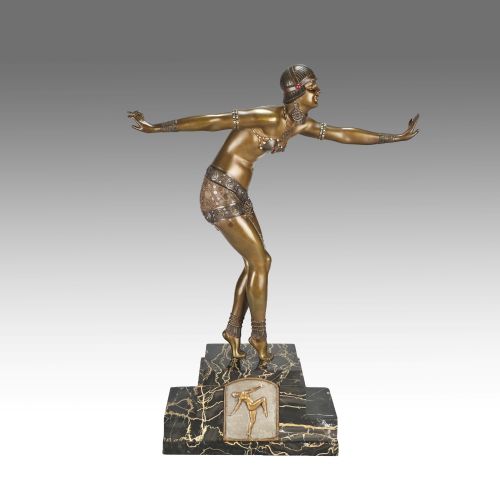
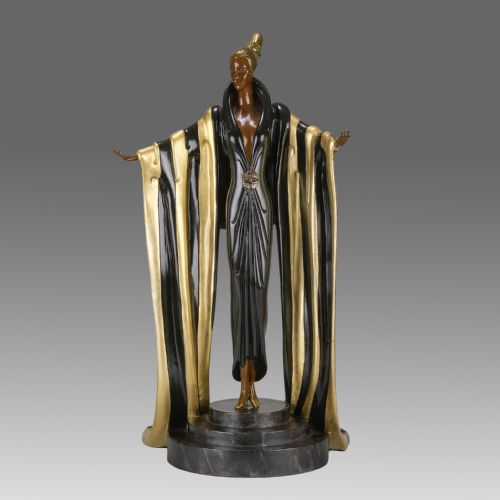
A black painted bronze statue represents a compact figural work, appearing primarily as animal figurines and decorative sculptures from the early twentieth century. These small sculptures capture human dancers and domestic or wild animals, often produced in the Vienna Bronze or Art Deco styles.
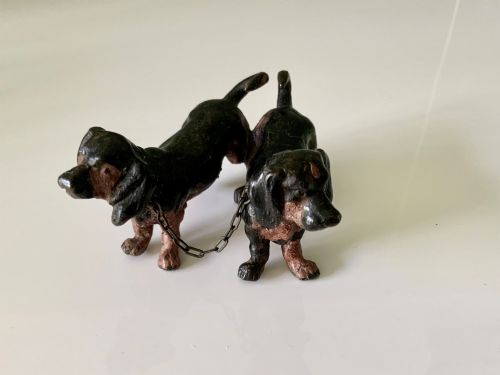
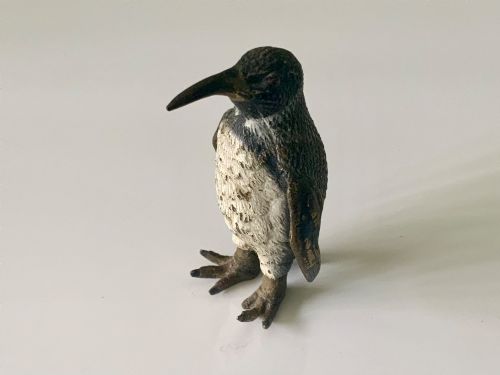
Buyers encounter figures modelled during the 1900, 1910, 1920, and 1930 periods. The works range from naturalistic animal studies of dachshunds, penguins, and magpies to stylised human dancers associated with European studios.
How they were made
Makers cast these objects in bronze or general metal before applying surface treatments including cold paint, enamel, and gilt highlights over a dark base coat. Cold-painted bronze relies on pigment applied to the cured metal rather than fired enamel, yielding a characteristic matte surface texture.
Many examples incorporate carved marble bases or plinths to support the metal figures. Artisans integrated this stonework alongside fine metal chiselling to complete the decorative sculptures.
A stoic St. Petersburg policeman stands ready alongside distinct figures of dachshunds and penguins in the menagerie of painted metal.
What varies in quality
The sophistication of the design and the adherence to distinct artistic movements dictate the standing of a piece. Works associated with named sculptors and established Austrian or Russian workshops demonstrate superior anatomical proportion and surface expression.
Pierre le Faguays·Ferdinand Preiss·Demetre Chiparus·Fabergé·Franz Bergman·Erté
The Black Painted Bronze Statue Glossary
- Cold-Painted Bronze
- Bronze sculpture finished with paint applied after casting without subsequent high-temperature firing. This technique produces detailed polychrome surfaces that require careful handling to preserve the pigment.
- Vienna Bronze
- Small-scale bronze figures produced in Austrian workshops during the late nineteenth and early twentieth centuries. These pieces are celebrated for their humorous, naturalistic, or exotic subject matter.
- Art Deco
- Design style prevalent during the 1920s and 1930s characterised by streamlined geometric forms and stylised figures. It heavily influenced the depiction of dancers and modern subjects in metal.
- Patina
- The surface coloration developed naturally or applied artificially to bronze over time. On these pieces, the deliberate dark paint and patination define the visual depth of the sculpture.
Black Painted Bronze Statue: Frequently Asked Questions
What is a black painted bronze statue?
A black painted bronze statue is a cast metal sculpture finished with dark paint or cold-painted pigments, typically produced in cabinet sizes during the early twentieth century.
These pieces encompass both animal studies and human figures created within Art Deco and Vienna Bronze traditions.
How were these statues displayed originally?
These figures were designed for interior display on desks, mantelpieces, and cabinet tops as decorative art objects. Their modest scale allowed them to be viewed closely within domestic interiors.
Many incorporated stone bases to anchor the metal work securely to furniture surfaces.
How do I care for cold-painted bronze?
Preserving cold-painted bronze requires avoiding moisture, chemical cleaners, and abrasive cloths that can lift the delicate surface pigments. Gentle dusting with a soft, dry brush is sufficient for maintenance.
Keeping the pieces out of direct sunlight prevents the painted details from fading over time.
How do I identify the period of a piece?
Dating relies on stylistic markers such as the geometric lines of Art Deco or the naturalism of Vienna Bronze production. The materials, including the specific type of marble on the base and the method of cold-painting, also point to early twentieth-century manufacturing techniques.
Signatures or foundry marks stamped into the metal further clarify the origin of the sculpture.