



Cold Painted Metal Dog
A cold painted metal dog brings unmatched character to a desk or shelf, capturing a fierce breed or a playful pose with remarkable charm.
Cold Painted Metal Dog
When you search for a cold painted metal dog, you enter a world of small animal sculptures created primarily during the late nineteenth and early twentieth centuries. These pieces encompass desk accessories, inkwells, bookends, and car mascots.
The versions you are most likely to meet on this page hail from Austrian and Viennese workshops, dating from the Victorian and Edwardian eras through to the nineteen-twenties and nineteen-thirties.
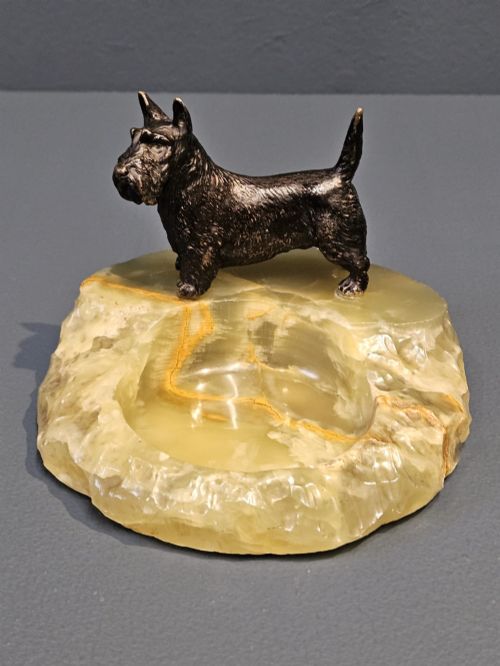
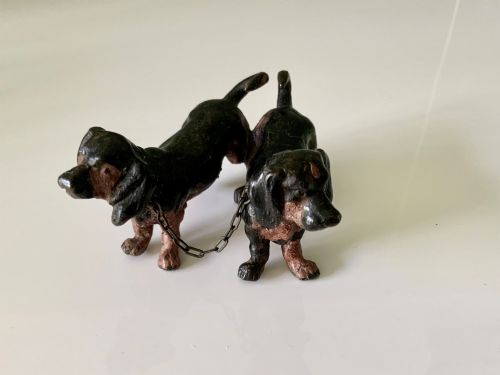
Canine subjects dominate these listings, featuring popular breeds such as bulldogs, dachshunds, pugs, and terriers cast in bronze or spelter before receiving their distinctive painted surfaces.
How they were made
The foundation of these figures relies on metal casting, predominantly utilising bronze or spelter to shape the animal forms. Artisans then applied cold paint directly to the metal surface without subsequent high-temperature firing.
Complex desk accessories and functional pieces often incorporated auxiliary materials like onyx or marble bases to anchor the heavier metal sculptures securely.
Cold Painted Metal Dog Retail Price Guide 2026
Typical asking prices for cold painted metal dog among the pieces listed under this phrase on Sellingantiques today, from the lower quarter to the upper quarter. They describe what is for sale here now, not the wider market.
Listings feature bronze and spelter as primary metals, frequently mounted on onyx or marble bases.
What varies in quality
The preservation of the original painted surface dictates much of the desirability, as the unheated pigments are susceptible to handling wear over the decades.
FRANZE BERGMAN·STEPHAN BUCHINGER
The Cold Painted Metal Dog Glossary
- Cold-painted
- A technique where metal figures are painted with oil-based paints or enamel without undergoing a high-temperature kiln firing. This method allows for delicate detail but leaves the surface vulnerable to chipping.
- Spelter
- An alloy of zinc and lead often used as a cheaper substitute for bronze in decorative metalwork. It provides a lighter alternative for casting intricate animal figurines.
- Vienna Bronze
- Small, highly detailed bronze sculptures produced in Vienna during the late nineteenth and early twentieth centuries. They frequently depict animals, human figures, and orientalist scenes.
- Car Mascot
- A decorative ornament mounted on the radiator cap of an automobile during the early motoring era. These sturdy metal figures were built to withstand outdoor elements.
Cold Painted Metal Dog: Frequently Asked Questions
How were they used originally?
Many of these pieces were functional items designed for the executive desks and writing tables of the wealthy. Inkwells, pen trays, and bookends kept paperwork in order while adding a touch of personality to the room.
Others served as decorative ornaments, humorous paperweights, or ornate mascots affixed to the bonnets of early twentieth-century automobiles.
How do I care for my bronze dog?
Keep these figures away from direct sunlight and excessive moisture to protect the delicate, unheated paint layers from fading or flaking. Dust them very gently with a soft, dry brush.
Avoid using any liquid cleaners, polishes, or chemical solvents, as these substances will quickly strip away the remaining original polychrome finish.
How do I identify the period?
Examine the casting quality, the weight of the metal, and the style of the base materials such as marble or onyx. Pieces from the nineteen-hundreds often display distinct art nouveau or Victorian detailing.
Look for maker marks or foundry stamps hidden beneath the metal or on the base, though many smaller workshop pieces remained unsigned.