
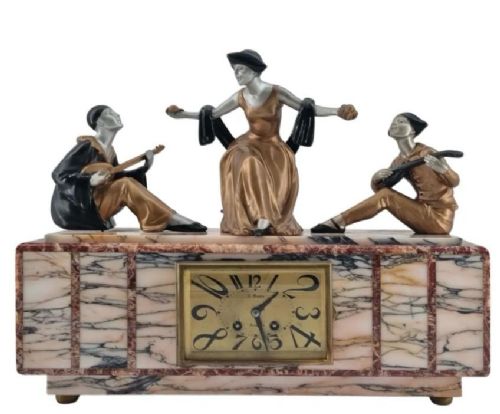
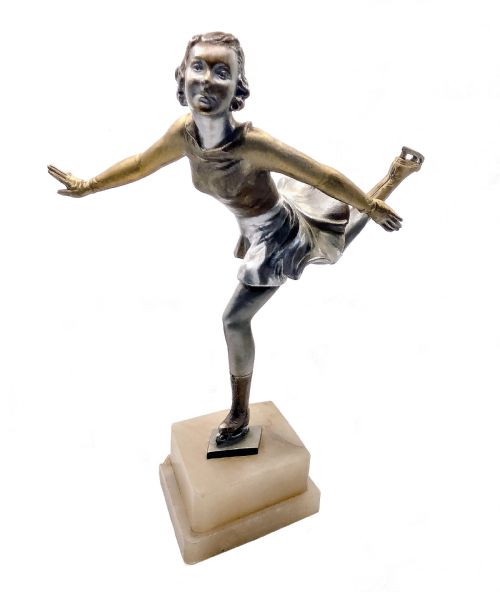


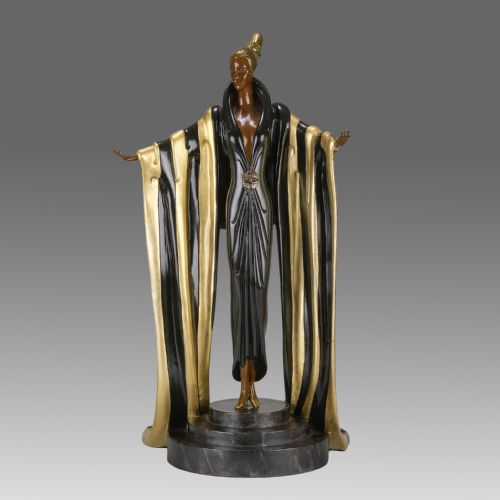
Cold Painted Deco Figure
These cold painted deco figure examples capture the kinetic elegance of the interwar years through vibrant colour and dynamic sculptural form.
Cold Painted Deco Figure
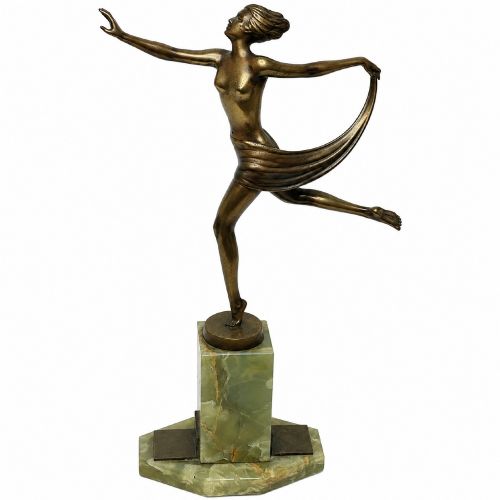
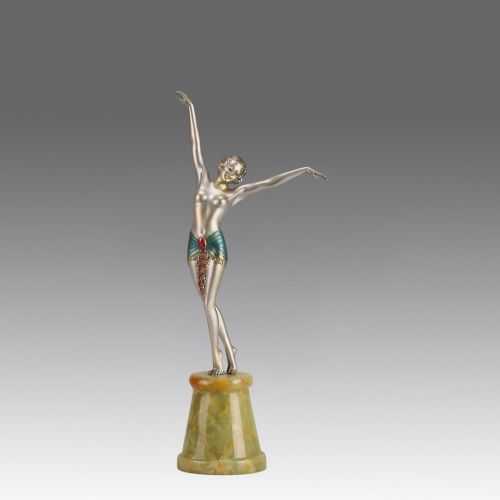
A cold painted deco figure embodies the sleek dynamism and stylised motion characteristic of the Art Deco period. These works translate the motion of dancers, performers and athletes into solid metal forms mounted on stone bases.
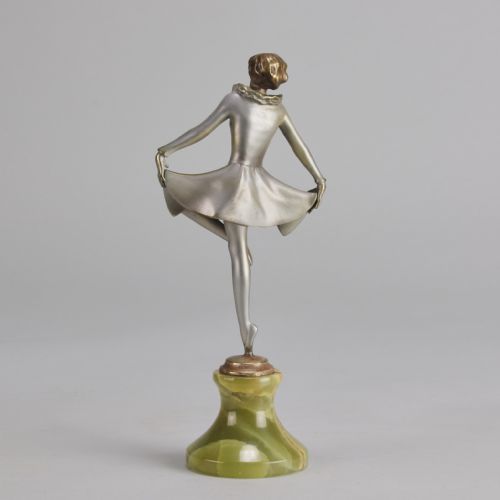
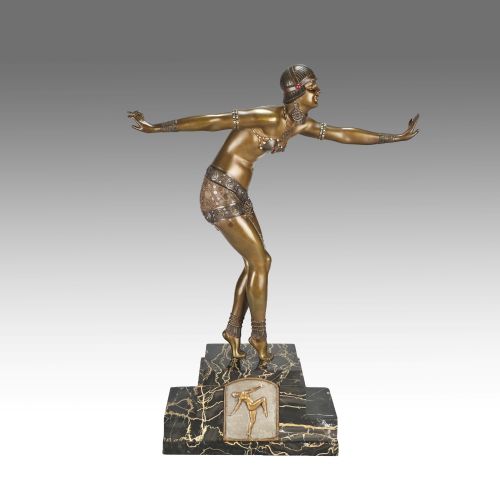
The version most commonly encountered on this page is an early twentieth-century bronze or spelter figurine produced during the nineteen twenties or nineteen thirties. Subjects frequently depict female dancers, acrobats or allegorical figures posed in dramatic movement.
Makers set these figures on heavy bases of marble, onyx or slate to anchor the vertical energy of the design. Mantel clocks and desk tidies also incorporate these figures to integrate functional utility with decorative sculpture.
Materials and construction methods
Foundries cast these figures primarily in bronze or spelter, sometimes combining metals with carved ivory elements in chryselephantine works. Artisans then applied cold painting or enamel finishes by hand to the cured metal surface rather than firing the pigment in a kiln.
Bases utilise dense stones like marble and onyx, shaped to support the balanced weight of the figures. Artisans secured the metal sculptures to these stone plinths using threaded pins or bolts recessed beneath the base.
Several dancers balance entire architectural costumes upon their shoulders while maintaining perfect poise in cold-painted metal.
Factors defining superior examples
The quality of the stone base and its integration with the metal sculpture also differentiate the works. Heavier, finely polished marble or onyx plinths complement the proportions of superior figures more effectively than simple mounts.
Pierre le Faguays·Ferdinand Preiss·Josef Lorenzl·Demetre Chiparus·Paul Philippe·Erté·Bruno Zach·Geo Maxim
The Cold Painted Deco Figure Glossary
- Cold-painted
- A technique where metal sculptures receive hand-applied paint finishes without kiln firing. The pigment adheres directly to the prepared bronze or spelter surface.
- Spelter
- A zinc alloy frequently utilised as a cost-effective alternative to bronze in figure production. Artisans finished these metal casts with patination or cold paint to simulate heavier materials.
- Chryselephantine
- A term describing statuary combining metal and carved ivory. This technique highlights faces, hands or costume details against patinated bronze.
- Onyx
- A banded variety of chalcedony utilised extensively for sculptural bases. Its translucent layers provide a contrasting plinth for metal figures.
- Patination
- The chemical treatment or natural oxidation applied to metal surfaces. This process produces specific surface colours and tones on bronze casts.
Cold Painted Deco Figure: Frequently Asked Questions
What is a cold painted deco figure?
These sculptures depict dancers and figures created during the interwar decades using cast metal finished with hand-applied paint.
They combine stylised modernist forms with decorative colour to capture the aesthetic of the period.
How do I clean a cold painted bronze?
Dust the surface gently with a soft dry cloth without applying moisture or chemical cleaning agents.
Water and solvents can damage the delicate cold-painted pigments applied to the metal.
How are spelter and bronze distinguished?
Bronze is heavier, harder and displays a warmer metallic tone where the surface is exposed beneath the paint.
Spelter is lighter, softer and tends to show a grey or bright white metal beneath chips in the finish.
Why are marble bases used on these figures?
Dense stone plinths provide necessary weight and stability to anchor slender figures posed in dynamic motion.
Marble and onyx also offer a contrasting textural and tonal frame that enhances the vertical composition.