
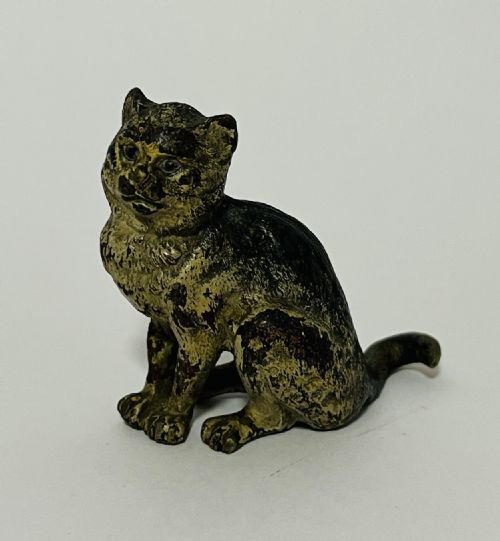
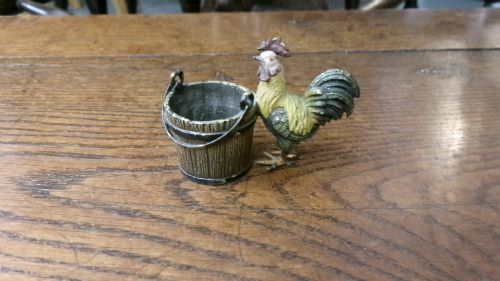
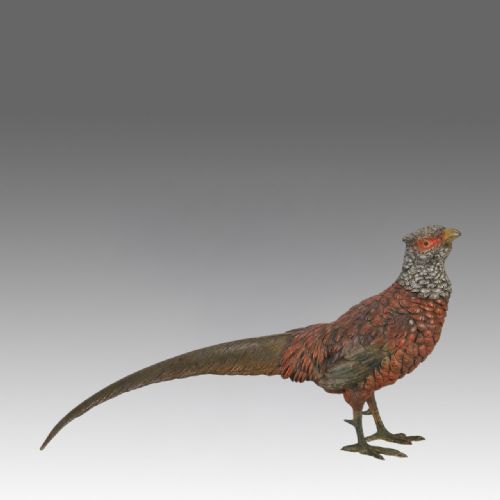


Cold Painted Animal Figurine
These small metal and terracotta sculptures capture birds, dogs and wild animals in vibrant pigments.
Cold Painted Animal Figurine
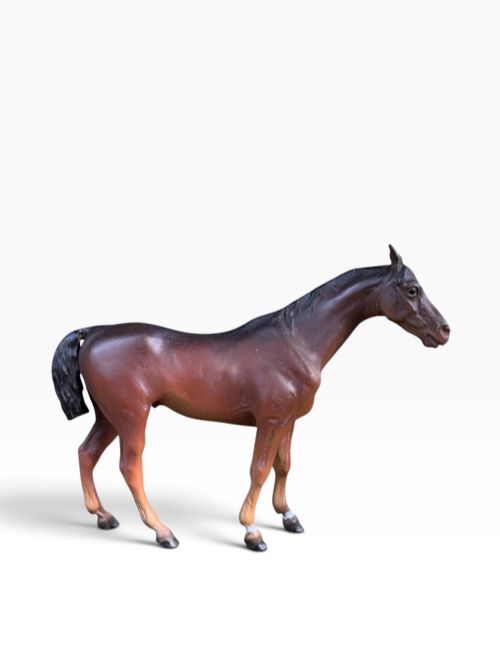
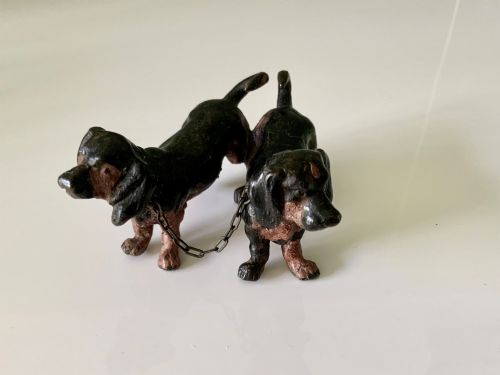
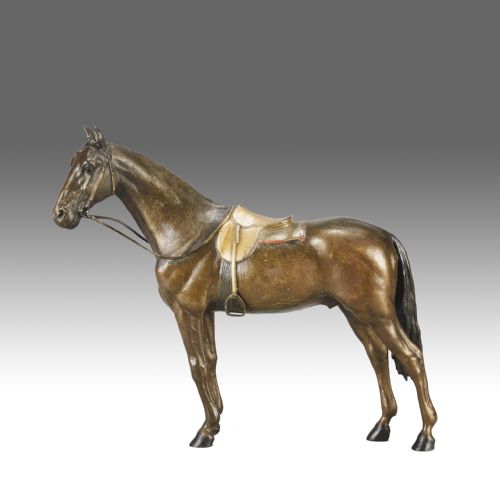
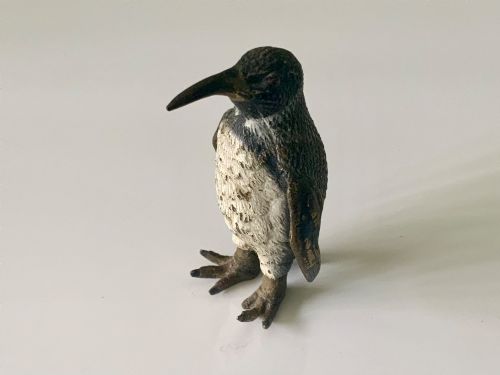
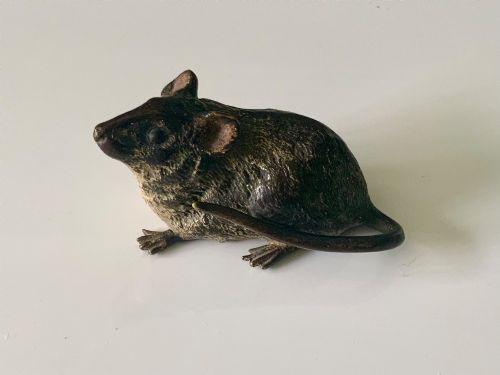
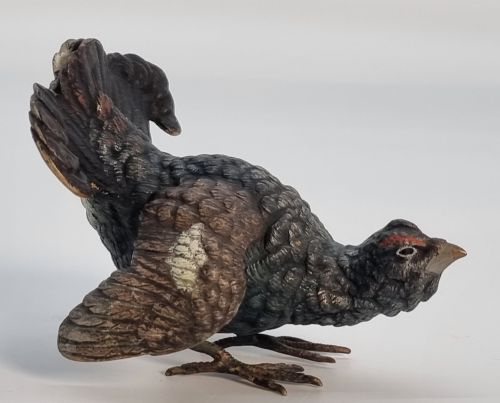
A cold painted animal figurine is a small sculpture depicting birds, dogs, horses and wild creatures in cast metal or terracotta. When you search for this phrase, you encounter miniature sculptures, desk accessories, and pin cushions made across the nineteenth and early twentieth centuries. The form spans domestic pets like pugs and dachshunds alongside game birds and exotic wildlife.
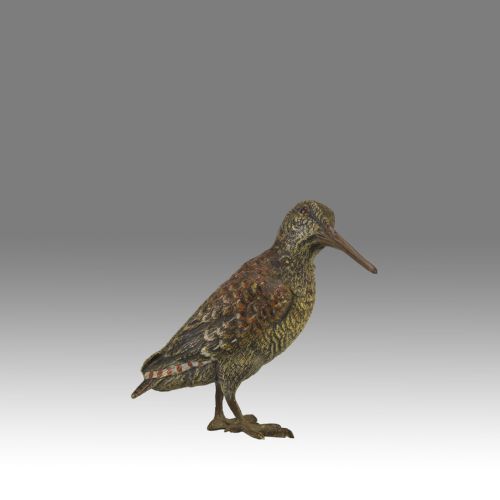
The objects originate predominantly from Austrian workshops active during the Victorian, Edwardian, Art Nouveau and Art Deco periods. Many take the form of miniature sculptures intended for desks, cabinets, or functional desk accessories such as pin cushions and car mascots. The animals range from common farm birds and terriers to capercaillies, lions, and snakes.
How they were made
The manufacturing process relies on casting bronze, spelter, or terracotta to form the animal shape. Molten metal flows into moulds, capturing fine details in the fur, feathers, and harnesses of subjects like horses and dogs. Terracotta models are moulded and fired to create larger figural studies.
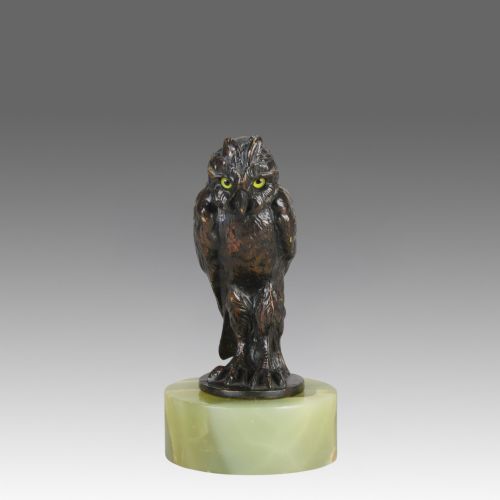
Colour is applied using non-fired oil or enamel paints directly onto the cooled metal surface, distinguishing cold painting from kiln-fired enamelling. This technique results in a polychrome finish that highlights anatomical details on birds and mammals. Some pieces incorporate green onyx bases to mount the metal sculptures.
Listings span bronze, terracotta, and onyx across Victorian, Art Nouveau, and Art Deco styles.
What varies in quality
Quality rests in the crispness of the metal casting and the delicacy of the hand-painted surface. Superior examples display precise anatomical modelling in creatures like birds and hounds, while lesser pieces lose fine feather or fur definition during the casting process.
The fidelity and preservation of the polychrome paint layer dictate the visual impact of the object. Pieces that retain their original unblemished pigment show greater artistic control than those with heavy overpainting or significant pigment loss.
Franz Bergman·Bernard Bloch·Jules Moigniez
The Cold Painted Animal Figurine Glossary
- Cold-painted bronze
- Metal cast sculpture decorated with unfired oil or paint applied after the casting process.
- Vienna bronze
- Small bronze sculptures produced by Austrian foundries, particularly noted for naturalistic animal subjects.
- Polychrome
- Decoration employing multiple distinct colours across the surface of the sculpture.
- Spelter
- A zinc alloy used as a cheaper alternative to bronze in the manufacture of figural metalwork.
- Onyx
- A banded gemstone material utilised to provide heavy mounting bases for desk sculptures.
Cold Painted Animal Figurine: Frequently Asked Questions
What are cold painted animal figurines made from?
The primary materials are cast bronze and spelter, though some examples employ terracotta. Surfaces receive a layer of cold paint.
Paint is applied without heat firing, using oils or pigments that adhere directly to the metal or clay.
Where were these animal figurines produced?
Production centres were largely located in Austria during the nineteenth and early twentieth centuries. Workshops in Vienna drove the popularity of small animal bronzes.
French sculptors also contributed metal animal subjects during the nineteenth century.
How do I care for cold painted bronze?
Keep pieces away from direct sunlight and moisture to protect the fragile unfired paint surface. Dust gently with a soft dry brush.
Avoid liquid cleaners or polishes which will strip the original polychrome pigments from the metal.
Are these figures functional objects?
Many serve purely as decorative desk sculptures or cabinet pieces. Others double as functional items like pin cushions and car mascots.
Smaller models were often designed simply to sit upon desks or shelves as ornaments.