



Cobalt Blue Water Jug
A cobalt blue water jug brings deep vitrified colour and striking nineteenth-century pattern work directly to the table.
Cobalt Blue Water Jug
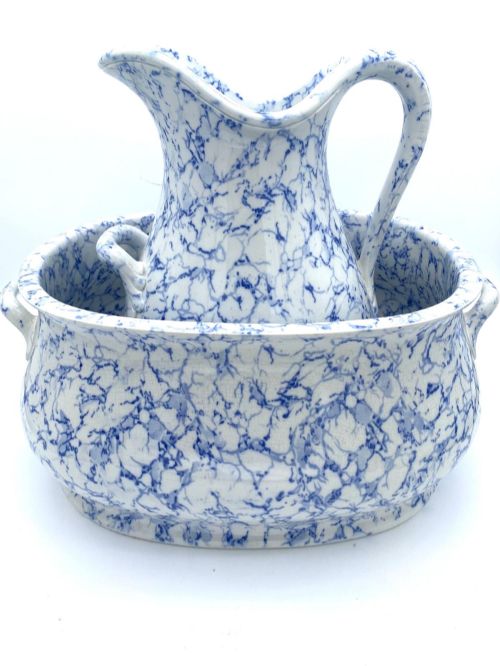
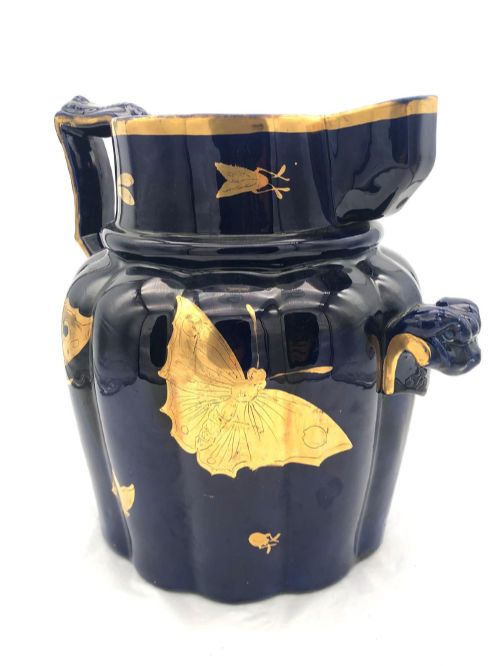
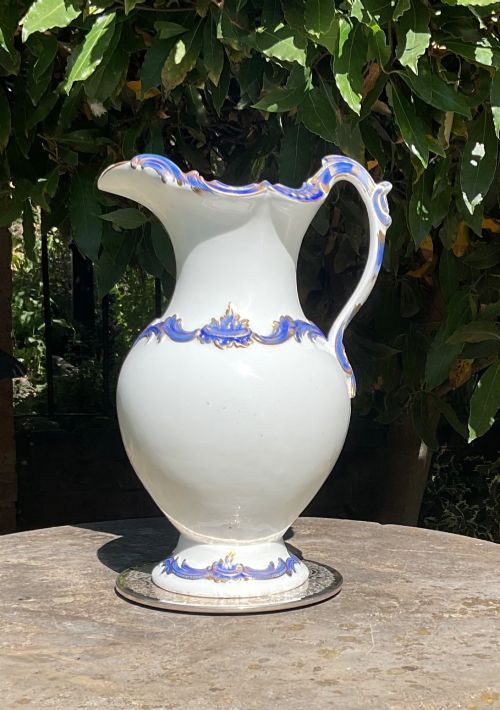
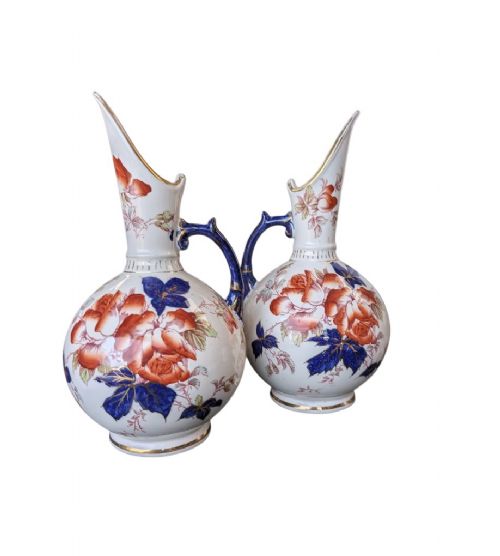
A cobalt blue water jug spans generous nineteenth-century footbath sets, heavy earthenware ewers, and smaller porcelain pouring vessels. You will encounter Georgian transfer-printed ironstone alongside later Victorian earthenware and salt-glazed stoneware.
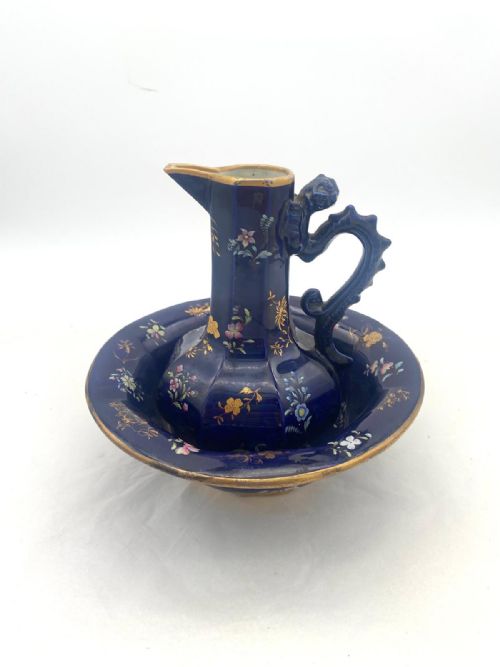
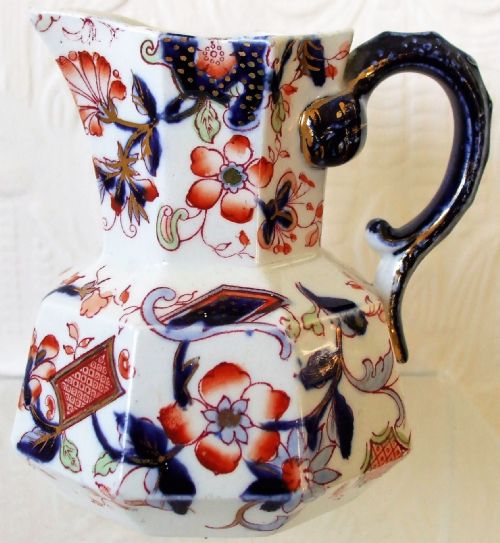
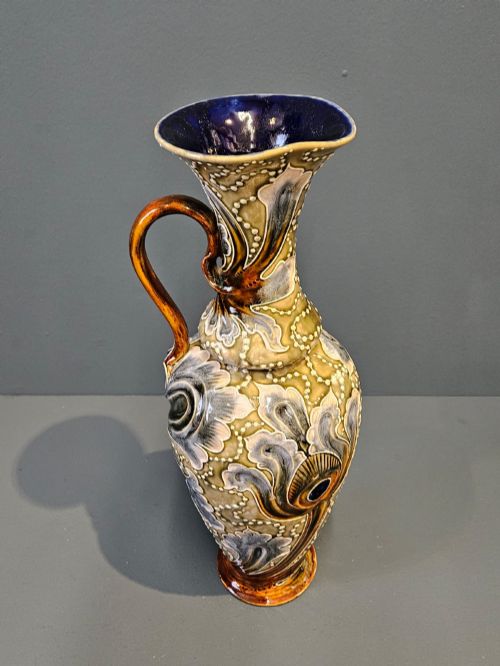
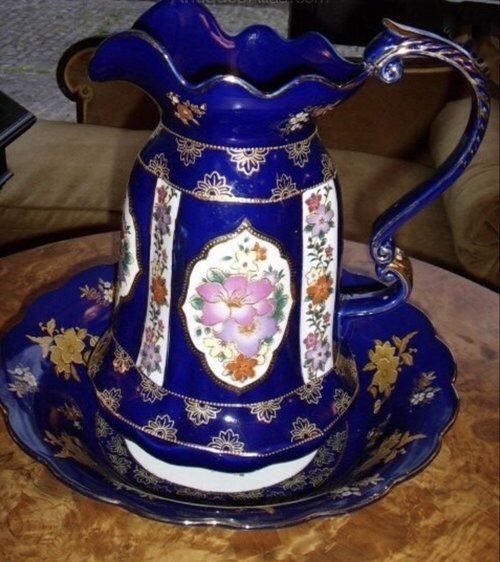
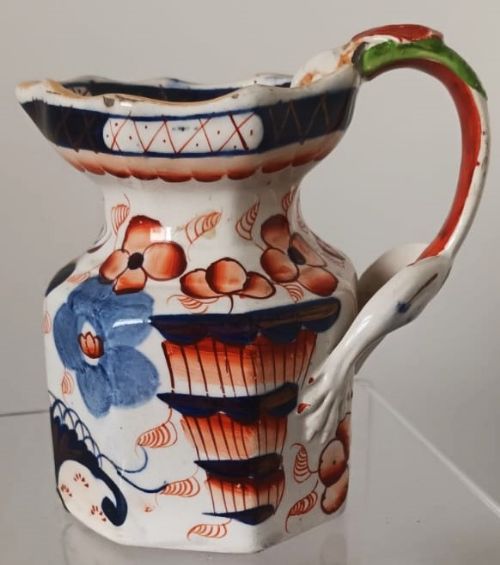
Many examples arrive paired with matching basins as part of washstand sets or large toilet services. Form ranges from octagonal Masons shapes and classical mask heads to robust Doulton Lambeth jubilee vessels and slender pitchers.
Materials and construction
Makers utilised durable ceramic bodies including ironstone, earthenware, porcelain, and heavy stoneware to shape each vessel. Potters applied rich cobalt glaze beneath or over the fired surface, frequently incorporating detailed transfer printing.
Selected pieces display delicate hand-painted motifs, relief moulding, and touches of gold leaf gilding over white biscuit porcelain. Salt glazing provided a hard, pebbled texture on utilitarian stoneware jugs.
Cobalt Blue Water Jug Retail Price Guide 2026
Typical asking prices for cobalt blue water jug among the pieces listed under this phrase on Sellingantiques today, from the lower quarter to the upper quarter. They describe what is for sale here now, not the wider market.
Fisher boys and historic American state houses peer out from eighteenth-century jugs, proving that early potters loved putting distant landscapes on everyday washing water.
Judging quality and execution
Superior execution shows in the depth and clarity of the cobalt blue transfer work, where intricate patterns remain sharp without blurring into the surrounding glaze. Weight and balance distinguish fine porcelain body walls from heavier domestic utility earthenware.
The presence of crisp relief modelling, such as mask heads or moulded hydra handles, elevates a piece above standard production. Intact gilding and complete matching wash sets mark the highest tier of surviving examples.
Minton·Masons Ironstone·Doulton Lambeth·Keeling and Co·Caughley Coalport·Doulton Burslem
The Cobalt Blue Water Jug Glossary
- Footbath jug
- A large vessel originally designed to hold water for washing feet, often repurposed as a substantial display jug. These pieces typically feature wide pouring lips and generous handles.
- Ironstone
- A dense, heavy earthenware patented in the nineteenth century to imitate durable Chinese porcelain. It resists chipping and holds deep cobalt blue decoration exceptionally well.
- Ewer
- An ornamental jug with a flared spout and curved handle, often paired with a matching basin. Ewers frequently display classical revival forms and elaborate decorative handles.
- Transfer printing
- A method of applying detailed designs to ceramics by pressing a paper sheet printed with metallic oxide ink onto the biscuit body. This technique allowed intricate pictorial scenes like the Boston State House pattern.
- Salt glaze
- A vitreous coating formed by throwing common salt into the kiln during high-temperature firing, creating an orange-peel texture. This finish protects stoneware jugs used for everyday water storage.
Cobalt Blue Water Jug: Frequently Asked Questions
How do I date a cobalt blue water jug?
Examine the ceramic body, glaze characteristics, and any registry marks stamped or printed on the base. Earlier pieces from the Georgian and Regency periods often feature hand-painted underglaze blue or early transfer-printed patterns.
Victorian examples frequently display impressed factory marks or British registry diamonds that pinpoint the exact year of production. Stoneware and ironstone weight also help separate early nineteenth-century items from lighter twentieth-century wares.
Were these jugs used for drinking water?
Many smaller porcelain and earthenware jugs served daily dining purposes, holding water, milk, or beer at the table. Larger pitcher forms handled general household service.
Substantial footbath jugs and washstand ewers belonged to bedroom toilet sets rather than the dining room. These larger vessels carried water for washing hands and face before indoor plumbing became standard.
How should I display a heavy ceramic jug?
Place heavier stoneware, ironstone, and large footbath jugs on sturdy, level surfaces that easily support their considerable weight. Avoid high-traffic edges where accidental knocks might chip the glaze or handle.
Pairing a jug with its original basin creates an impressive centrepiece on large sideboards or wide tables. Ensure adequate clearance so the decorative handle and cobalt pattern remain fully visible from the room.
What is Gaudy Welsh pottery?
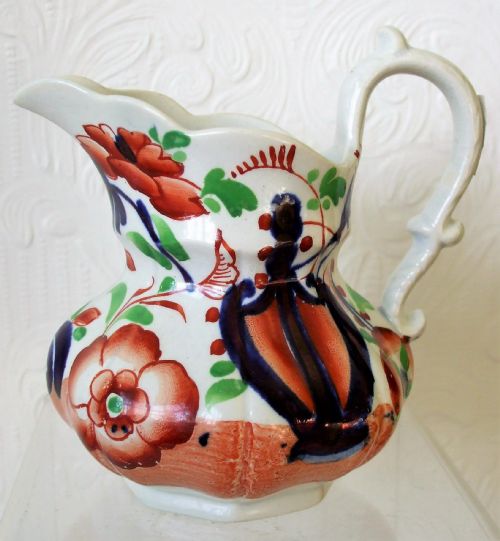
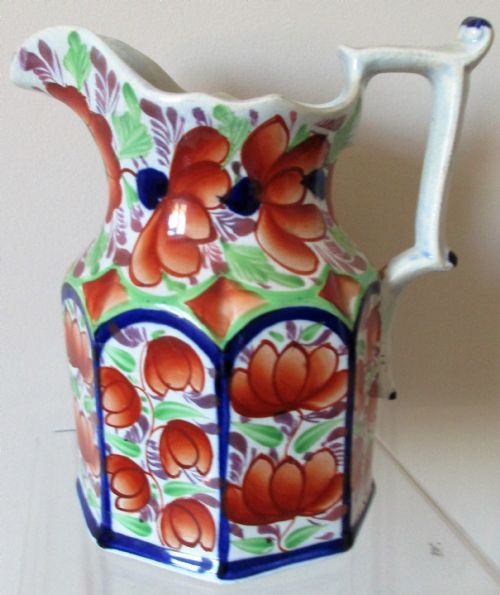
Gaudy Welsh refers to brightly decorated earthenware made in Staffordshire and exported to or inspired by Welsh markets. These pieces combine rich cobalt blue underglaze with vibrant copper lustre and hand-painted floral highlights.
Patterns like Gwent, Harlech, and Pagoda frequently appear on nineteenth-century jugs and pouch vessels. The bold palette was designed to brighten modest Victorian interiors.