


Cobalt Blue Porcelain Base
These cobalt blue porcelain base items are striking decorative pieces that bring rich colour and classic form to any room.
Cobalt Blue Porcelain Base
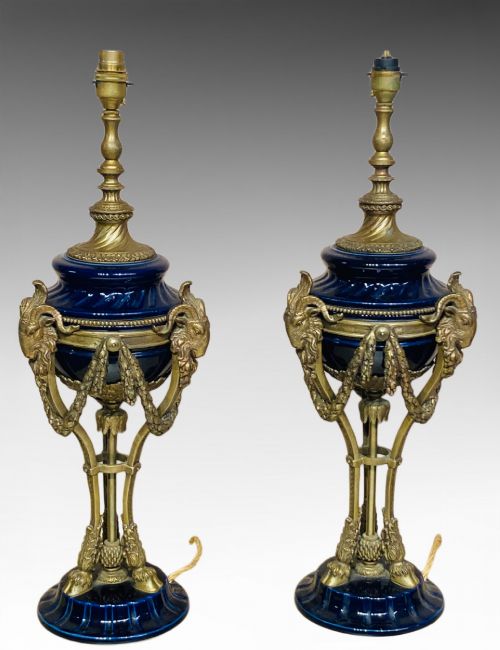
A cobalt blue porcelain base forms the foundation for various decorative objects, including table lamps, candlesticks, and urns. Buyers searching for a cobalt blue porcelain base often encounter items that combine ceramic bodies with metal mounts, such as ormolu or brass.
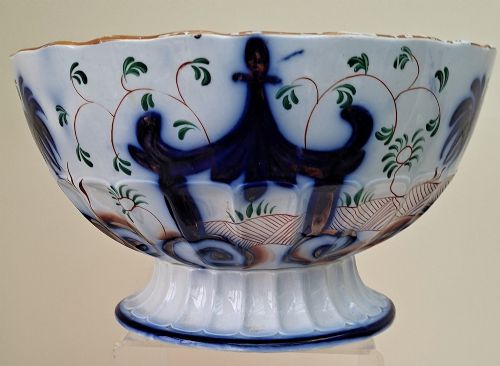
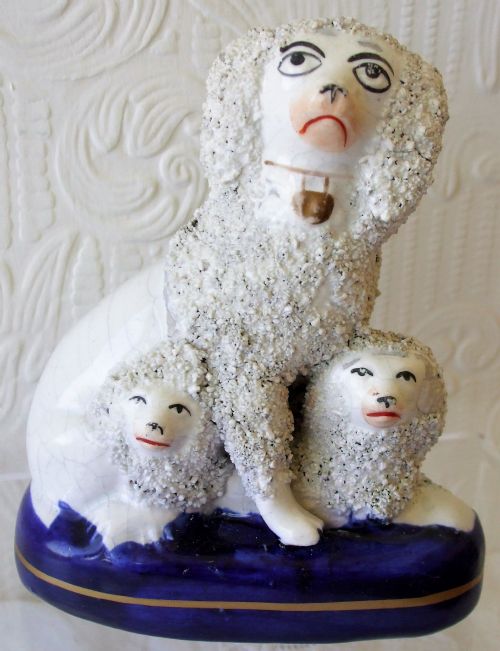
The selections span the nineteenth century, encompassing Victorian Staffordshire pottery, Continental figures, and pieces bearing Qing Dynasty influences. These works range from functional lighting fixtures to sculptural table ornaments.
Many examples incorporate contrasting metallic elements or hand-painted details that elevate the primary blue ceramic body. Their origins stretch across English, French, and Chinese workshops, reflecting diverse stylistic traditions.
Materials and construction
Makers utilised ceramic bodies finished with rich cobalt glazes, often incorporating enamel details and gilt bronze or brass mounts to secure the structures. The ceramic sections demand precise kiln firing to achieve deep, even coloration across the porcelain or earthenware surface.
Metal components such as ormolu and brass are cast and chased to frame the ceramic base tightly, providing structural support for lamps and candlesticks. Additional ornamentation includes surface encrustations and hand-painted motifs fixed through secondary firing.
Listings feature items from the nineteenth century, including pieces dated around 1860, 1880, 1890, 1900, and 1940.
Assessing quality and craftsmanship
The depth and consistency of the cobalt glaze distinguish finer examples from simpler production pieces, along with the crispness of any gilt bronze or ormolu mounts. Superior items display meticulous attention to the junction points between the ceramic body and the metal hardware.
Finely modelled figures and sharply defined cast metal mounts indicate higher workshop standards. The precision of hand-painted details and the stability of the mounted structure further define the standard of execution.
The Cobalt Blue Porcelain Base Glossary
- Ormolu
- Gilt bronze mounted onto decorative objects. This technique involves applying a gold amalgam to bronze to create a durable, rich metallic finish.
- Staffordshire pottery
- Earthenware produced in the English pottery towns during the nineteenth century. These works frequently include animal figures and decorative table groups.
- Cloisonné
- Enamelwork created by soldering wire partitions onto a metal base. The resulting cells are filled with vitreous enamel and fired.
- Gilt bronze
- Metalwork treated with a gold coating to enhance appearance. It appears frequently as mounts on nineteenth-century lamps and vases.
Cobalt Blue Porcelain Base: Frequently Asked Questions
How do I clean a porcelain base?
Dust the surface gently with a soft, dry cloth to remove everyday particles without disturbing the glaze or mounts.
Avoid chemical cleaners or excessive moisture, particularly around gilt bronze elements and painted enamel details.
How do I identify nineteenth-century styles?
Examine the manufacturing techniques, handling of the glaze, and the specific style of the metal mounts.
Victorian Staffordshire and French neoclassical revivals each display distinct moulding characteristics and decorative motifs.
Where should I display these items?
Place them on stable surfaces away from direct sunlight and areas subject to sudden temperature shifts.
Ensure that heavier pieces with bronze mounts rest on sturdy furniture capable of supporting their weight safely.