






Cobalt and Iron Red Bowl
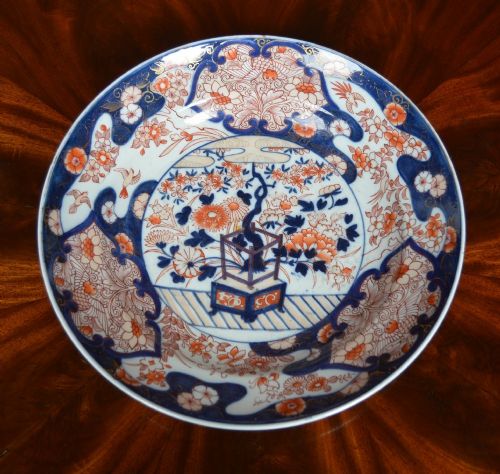
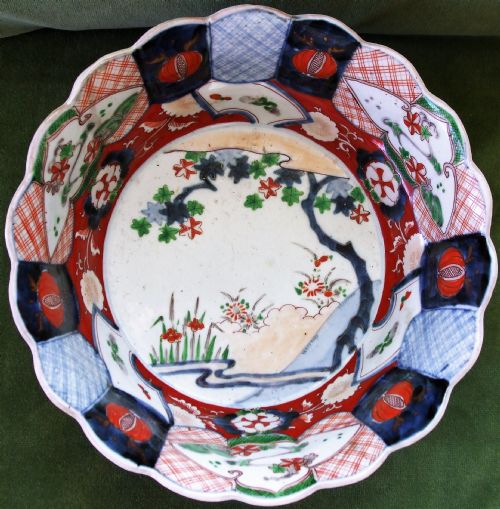
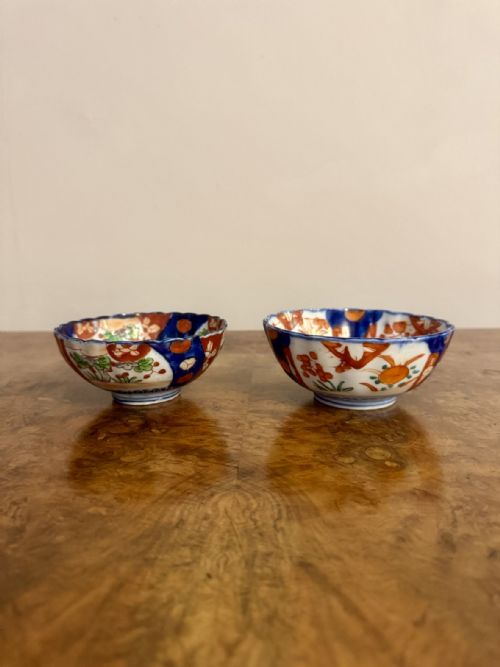
These pieces known as a cobalt and iron red bowl are decorative vessels driven by rich underglaze blue and contrasting rust tones.
Cobalt and Iron Red Bowl
When you search for a cobalt and iron red bowl, you encounter porcelain vessels primarily originating from Japanese export traditions and British adaptations of the Imari style. The pieces listed span the eighteenth century, the nineteenth century, the Edwardian era and the Meiji period.
Forms include deep lobed serving dishes, scalloped edge bowls, hexagonal shapes, boat shaped dishes and larger jardinieres. The dominant aesthetic on this page is Japanese Imari porcelain alongside Victorian and Edwardian iterations.
Most examples lean towards decorative display bowls and serving dishes rather than simple utilitarian tableware. They offer striking visual impact through patterned panels and shaped rims.
How they were made
The makers utilised fine porcelain and bone china bodies, shaping them into fluted, hexagonal, scallop edged or lobed forms. Cobalt blue glaze was applied under the glaze to create deep blue outlines and details.
Iron red enamel and gold gilt or gold leaf additions were then painted over the glaze and fired again. This combination of underglaze cobalt and iron red enamel forms the characteristic palette seen across the pieces.
Cobalt and Iron Red Bowl Retail Price Guide 2026
Typical asking prices for cobalt and iron red bowl among the pieces listed under this phrase on Sellingantiques today, from the lower quarter to the upper quarter. They describe what is for sale here now, not the wider market.
One eighteenth century shaving bowl proves that even early morning routines deserved a striking splash of cobalt and iron red.
What varies in quality
The precision of the painted detail and the crispness of the cobalt blue underglaze define the higher tiers of these pieces. Stronger definition in the iron red enamel and intact gold gilt highlights separate refined examples from simpler items.
Structural complexity such as hexagonal moulding, fluted walls and deep lobed or scalloped edges requires greater skill in the ceramic forming process. Consistency in the glaze finish and the balance of the pattern across the bowl surface determine the overall standard.
Royal Crown Derby
The Cobalt and Iron Red Bowl Glossary
- Imari
- A style of Japanese porcelain decorated in underglaze blue and iron red, often with added gold. This aesthetic heavily influenced European ceramic production during the nineteenth century.
- Cobalt Blue Glaze
- A mineral pigment applied to the clay body before firing that produces a deep, durable blue colour under a transparent glaze. It forms the dark foundational lines in these designs.
- Iron Red
- An enamel pigment based on iron oxide used over the glaze to impart a rust red tone. It provides the principal contrasting colour alongside cobalt blue.
- Bone China
- A type of soft-paste porcelain incorporating animal bone ash, utilised by British potteries. It offers a bright white body suitable for intricate enamel painting.
- Meiji Period
- The era in Japanese history spanning from eighteen sixty-eight to nineteen twelve. Pieces from this time often show distinct export ceramic characteristics.
Cobalt and Iron Red Bowl: Frequently Asked Questions
How are these bowls dated?
Dating relies on stylistic markers, potting techniques, and the specific characteristics of the cobalt and iron red pigments used in the manufacture.
Export pieces from the Meiji period or eighteenth century often present distinct decorative traits that separate them from later Edwardian iterations.
What is the difference between Imari and bone china?
Imari refers to a decorative style and regional export tradition originating in Japan, defined by its cobalt and iron red palette.
Bone china is a specific ceramic material composition developed in Britain, though British factories frequently adopted the Imari aesthetic.
How were these bowls originally used?
Many examples served as decorative display dishes, serving vessels, or jardinieres within domestic interiors rather than everyday tableware.
Their striking cobalt and iron red patterns made them prominent ornamental objects in nineteenth century and Edwardian homes.
Are these bowls dishwasher safe?
Historic porcelain featuring overglaze iron red enamel and gold gilt requires careful hand washing to preserve the delicate painted surfaces.
Harsh detergents and modern dishwashers can degrade the enamel and gilding over time.