


Coastal Watercolor Artwork
Coastal watercolor artwork brings maritime scenes, fishing harbours and coastal landscapes directly into domestic spaces.
Coastal Watercolor Artwork
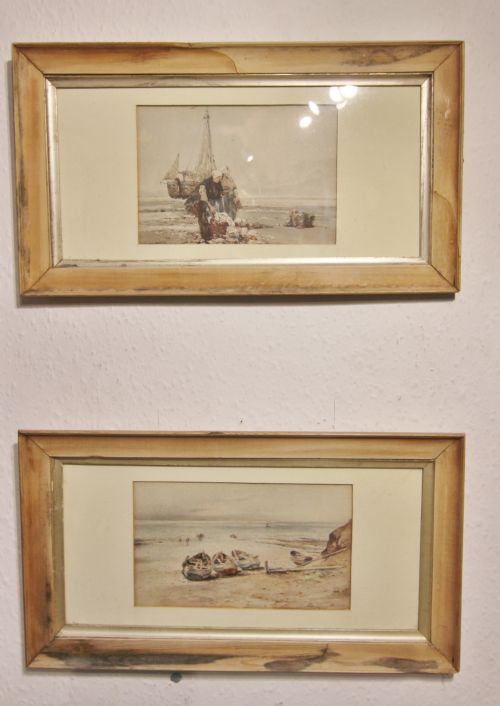
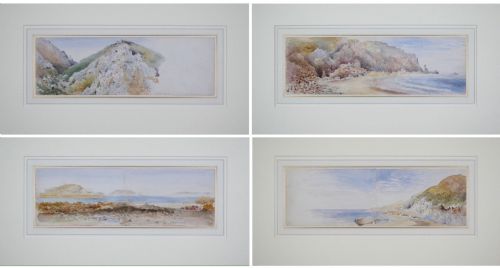
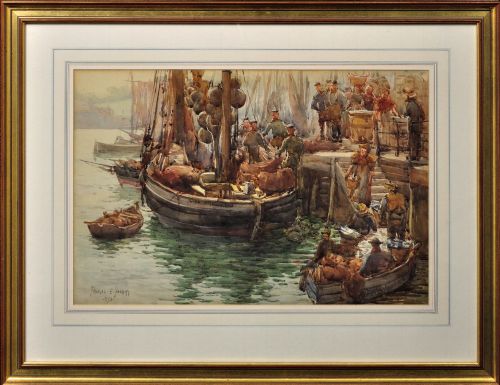
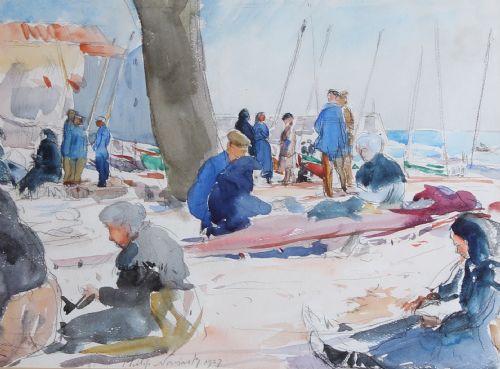
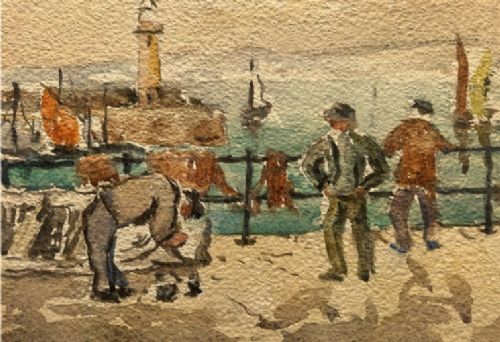
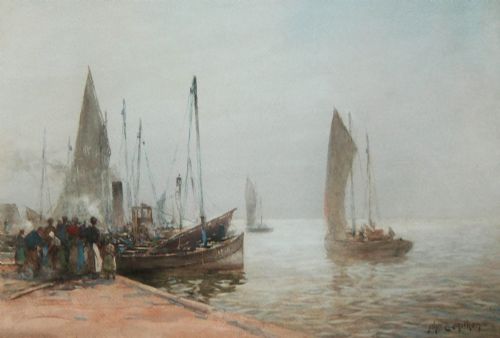
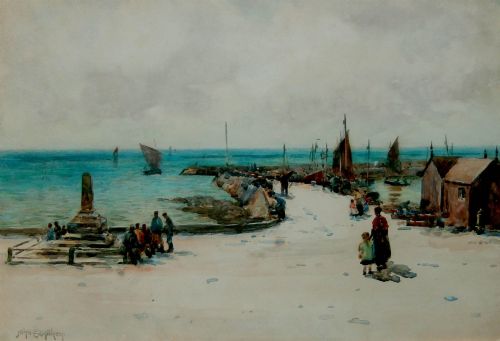
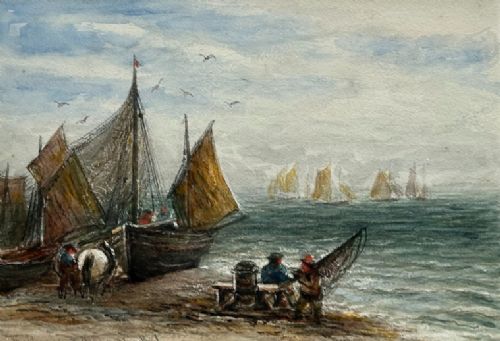
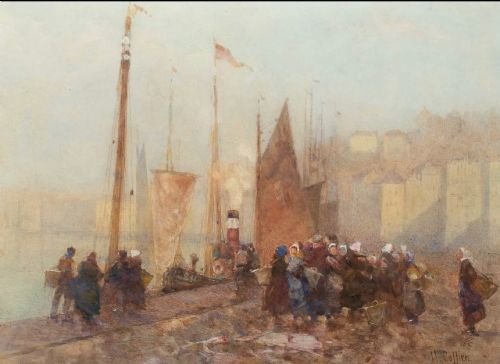
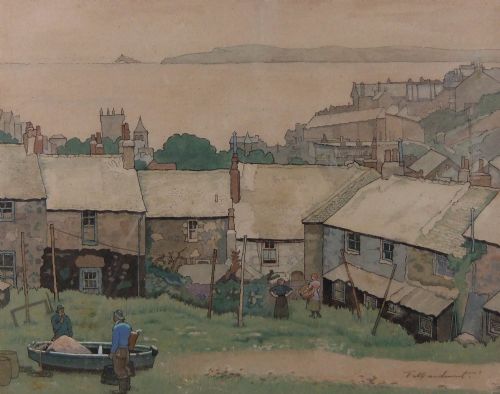
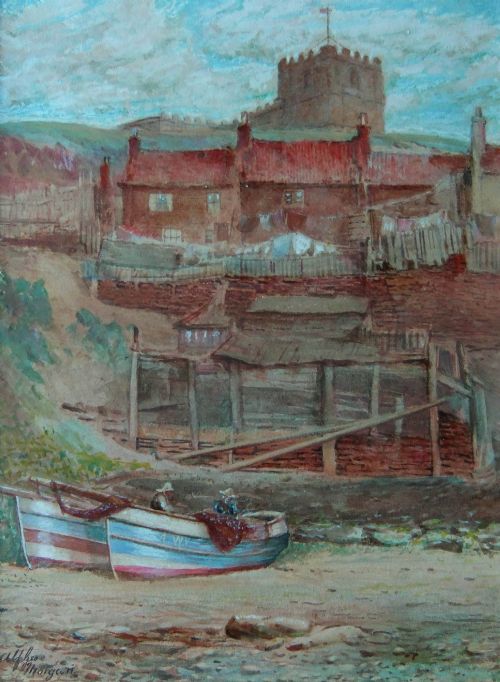
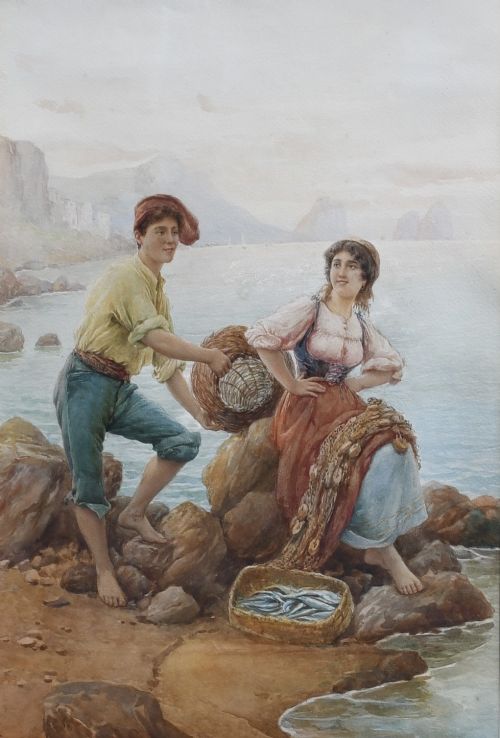
When searching for coastal watercolor artwork, collectors encounter depictions of harbours, marine shipping and fishing communities spanning the nineteenth and twentieth centuries. These paintings capture maritime life along British shores and international waters through delicate washes and pigment on paper.
The pieces on this page heavily feature British Impressionist and Victorian marine styles, alongside depictions associated with the St Ives School. Buyers frequently find works portraying specific locations such as Whitby, St Ives, Scarborough and various European ports.
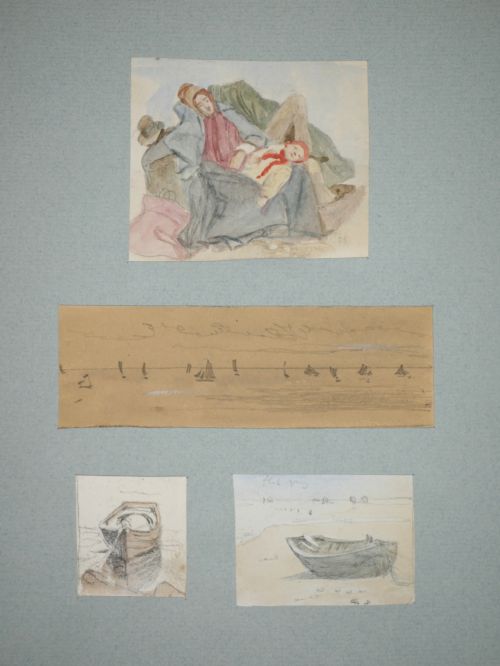
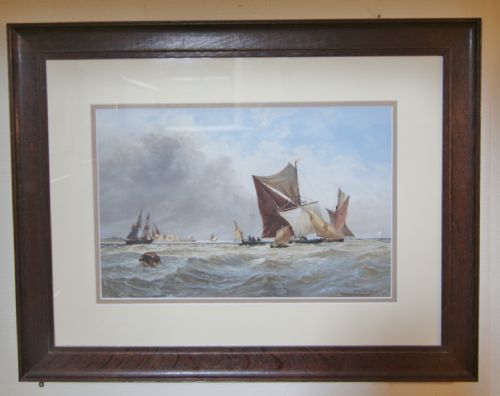
Formats range from intimate sketches to large framed fine art paintings. Many examples arrive preserved behind glass within period wood frames, occasionally decorated with gold leaf or gilt details.
How they were made
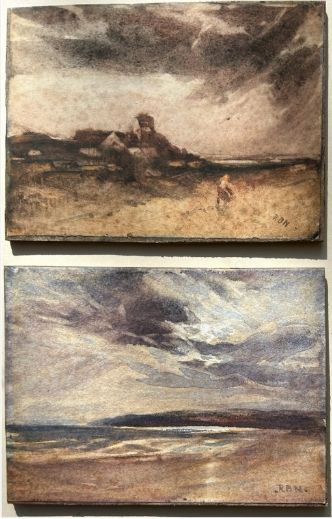
Artists apply watercolour pigment and occasionally gouache directly onto paper supports, utilising the white of the unpainted paper to create light and luminosity. Painters dilute pigments with water to achieve translucent washes for skies and coastal waters, layering darker tones to define shadows and marine vessels.
Framing materials complete the works, utilising timber, glass, and gilt wood or gold leaf to protect the delicate works on paper. These traditional mounting techniques preserve the physical integrity of the historical paintings against environmental exposure.
Coastal Watercolor Artwork Retail Price Guide 2026
Typical asking prices for coastal watercolor artwork among the pieces listed under this phrase on Sellingantiques today, from the lower quarter to the upper quarter. They describe what is for sale here now, not the wider market.
Listings feature works created across the nineteenth and twentieth centuries, using watercolour on paper within wood and gilt frames.
What varies in quality
Quality rests upon the artist's handling of light, atmosphere and the fluid medium of watercolour on paper. Finer examples display confident brushwork and precise topographical or maritime detail that evoke the specific mood of the harbour or seascape.
The distinction also lies in the preservation of the paper support and the quality of the surrounding frame. Works retaining their original glass, gilt wood or gold leaf settings maintain a higher level of period integrity.
Philip Naviasky·Robert Buchan Nisbet·GM Avondale·James Orrock·James Smetham·James E Aitken·John E Aitken·William Banks Fortescue·Hector Caffieri·Thomas Maidment·TB Hardy·Alfred G Morgan·Carlo Ferranti·William Matthison·John Moxon·George F Pennington·Alfred George Morgan·Lionel Horsnell·John Bedloe Goddard·Paul Delvaux·Charles William Adderton·Richard Harry Carter·William Lee Hankey·Thomas Bush Hardy·Sir Thomas Newenham Dean
The Coastal Watercolor Artwork Glossary
- Watercolour
- A painting method in which the paints are made of pigments suspended in a water-based solution. This technique relies on translucent washes applied to paper.
- Gouache
- An opaque water-based paint method sometimes combined with watercolour on paper. It provides solid areas of colour and highlights.
- Gilt wood
- Wood coated with a thin layer of gold leaf or metallic paint. This material forms decorative antique frames for works on paper.
- Works on paper
- A classification encompassing paintings, drawings and sketches created on a paper support. These pieces typically require protection behind glass.
- St Ives School
- An art movement and colony associated with the Cornish coastal town. Artists in this tradition focus on marine and landscape subjects.
Coastal Watercolor Artwork: Frequently Asked Questions
What is coastal watercolor artwork?
Coastal watercolor artwork comprises painted marine scenes and seaside views executed in watercolour pigment upon paper supports. These historical paintings record harbours, shipping vessels and coastal communities from the nineteenth and twentieth centuries.
Artists during these periods utilised translucent washes to capture changing light and weather conditions over the sea. Such pieces range from small observational sketches to large framed exhibition paintings.
How should I hang these paintings?
Works on paper require careful placement away from direct sunlight to prevent the watercolour pigments and paper from fading over time. Maintaining stable indoor humidity levels also protects the paper and the surrounding frame.
Most examples arrive behind glass within wood or gilt frames suitable for immediate wall display. Ensuring secure fixings supports the weight of the framed artwork safely.
How can I tell the period?
Dating relies on stylistic evidence, artist signatures, framing materials and subject matter recorded within the titles or documentation. Victorian and Edwardian works often exhibit specific maritime rigging details or clothing styles associated with late nineteenth and early twentieth-century fishing fleets.
Artistic movements like British Impressionism or the St Ives School provide further chronological markers. Comparative study of known active dates for listed painters helps narrow the timeline.
Were these painted outdoors?
Many artists painted en plein air directly along harbours, beaches and cliffs to capture immediate observations of light and tide. Others made preliminary watercolour sketches outdoors before completing larger finished paintings within studio settings.
This direct interaction with coastal environments accounts for the observational accuracy found in nineteenth and twentieth-century marine art. The resulting works reflect real topography and working maritime practices of the era.