


Coastal Maritime Watercolour
A coastal maritime watercolour captures the movement of tides and vessels, offering a glimpse into historic harbours and shorelines through delicate washes of pigment on paper.
Coastal Maritime Watercolour
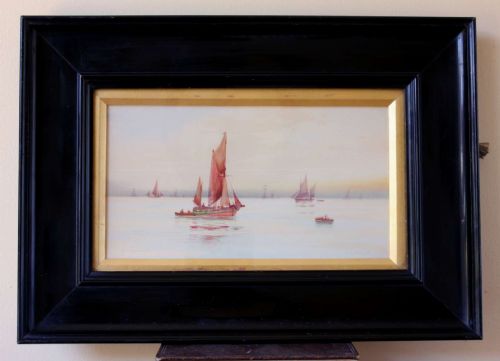
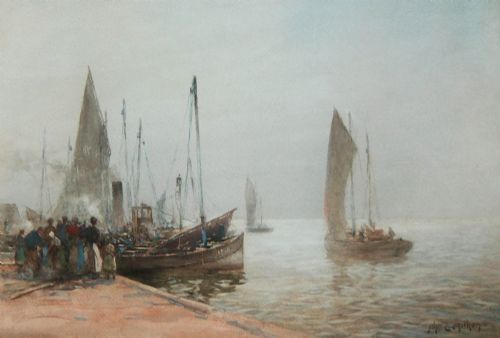
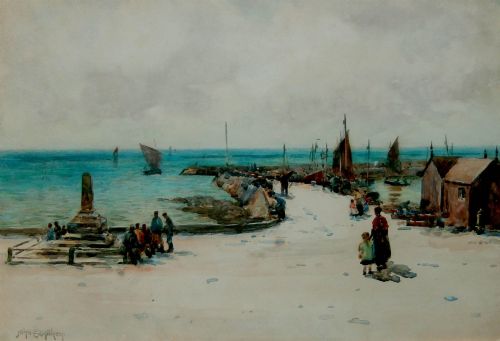
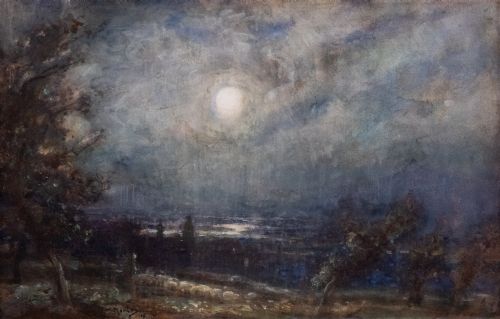
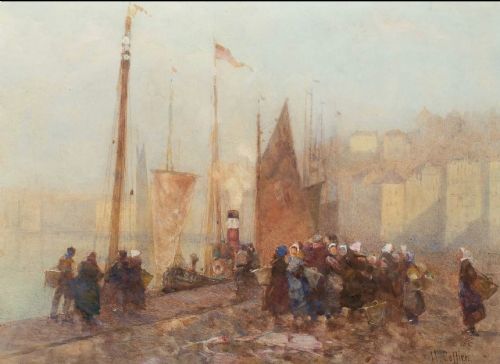
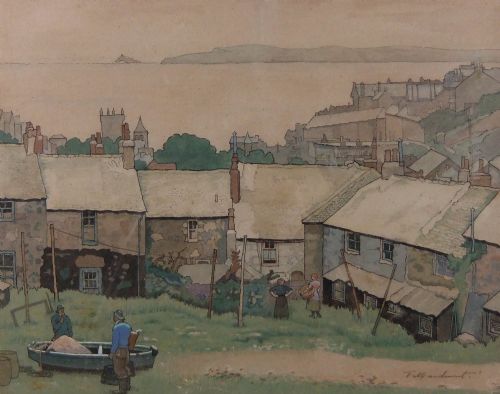
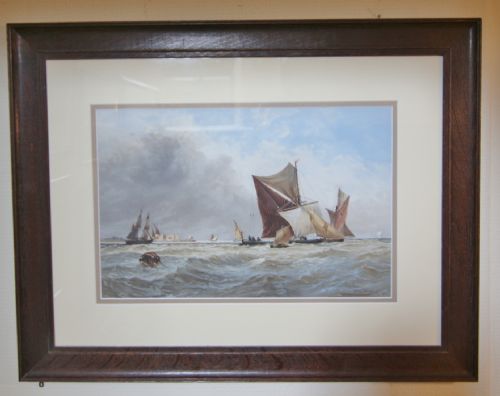
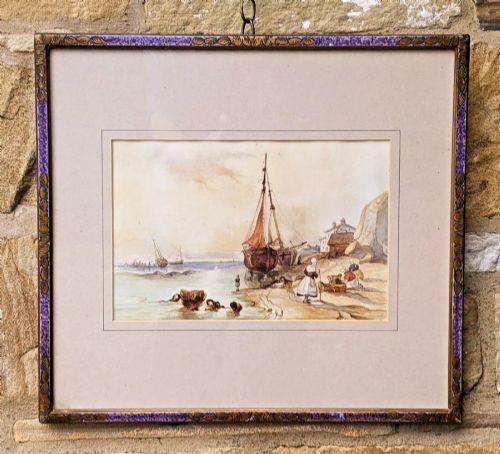
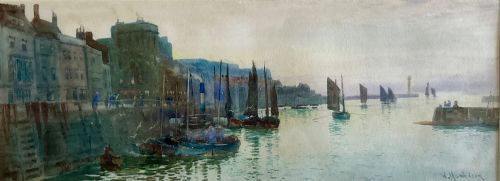
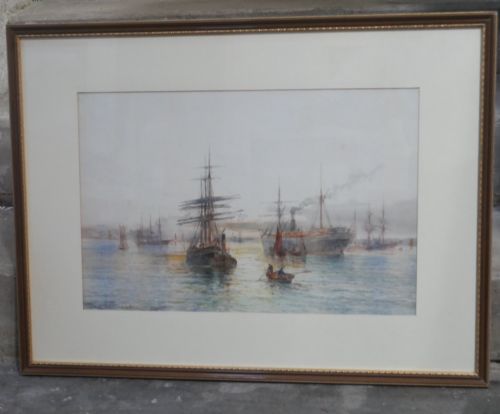
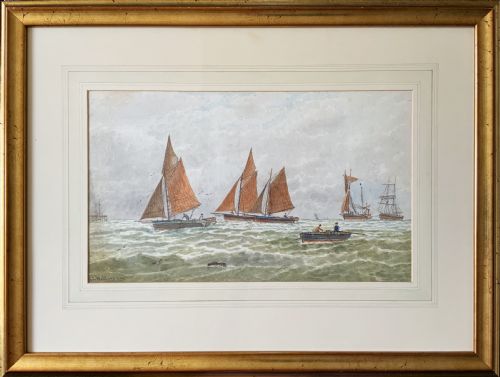
A coastal maritime watercolour represents ships, fishing boats, and shorelines rendered primarily in the nineteenth and early twentieth centuries. These works document bustling ports, quiet estuaries, and dramatic seasides from regions such as Yorkshire, Cornwall, and the continent.
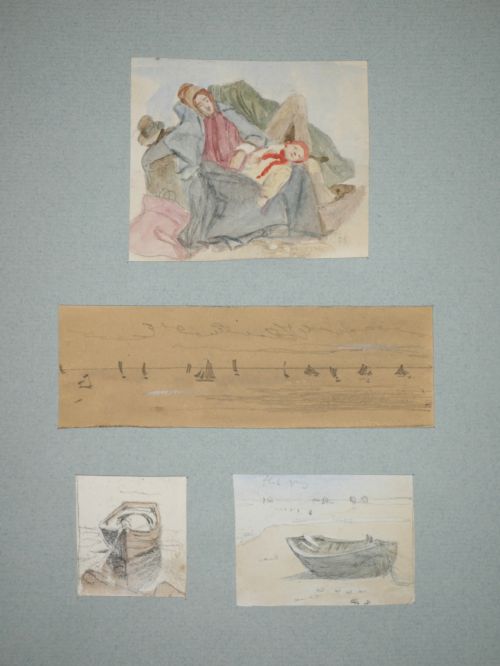
The material typically consists of watercolour pigment applied to paper, housed within traditional wooden or gilt wood frames under glass. Examples range from intimate marine sketches to large finished paintings depicting historic harbours.
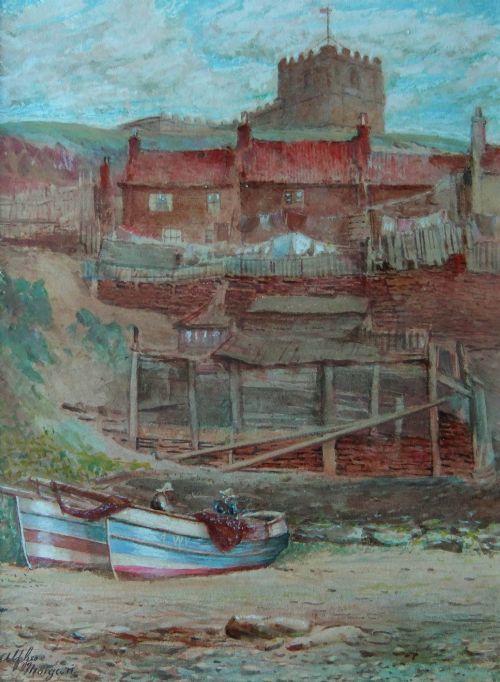
Surviving pieces span the Victorian, Edwardian, and later periods up to the mid-twentieth century. Buyers frequently encounter depictions of local craft such as cobles and trawling luggers moored in coastal havens.
Materials and Technique
Artists applied watercolour pigment and paint directly onto paper surfaces to achieve varying degrees of transparency and depth. This medium allowed painters to capture the shifting light of the sea and sky with rapid washes and fine brushwork.
Finished works received protection beneath glass and were mounted within wood or gilt wood frames. These frames preserved the fragile works on paper from atmospheric moisture and handling damage.
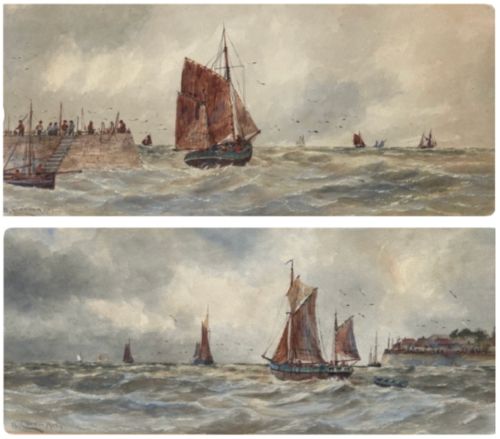
Several artists clearly braved harsh northern gales to capture local cobles struggling into harbour with their damp catches.
Factors of Quality
The skill of the draughtsman largely determines the success of a marine watercolour, particularly in the rendering of rigging, hull proportions, and water movement. Strong compositions demonstrate a confident handling of light and shadow across coastal architecture and open sea.
Condition plays an important role, as works on paper remain susceptible to fading from sunlight and discolouration from acidic mounts. Original framing and clear provenance further distinguish superior examples within the field.
James Orrock·William Cannon·James Smetham·James E. Aitken·John E. Aitken·William Banks Fortescue·Thomas William Morley·Hector Caffieri·Thomas Maidment·Thomas Bush Hardy·Alfred G. Morgan·William Matthison·George Stanfield Walters·Frank Kelsey·Henry Barlow Carter·George F. Pennington·William Frederick Settle·Paul Delvaux·Charles William Adderton·Richard Harry Carter·William Lee Hankey·Ernest Dade·Edward Seago·Arthur Tucker·Robert Leslie Howey
The Coastal Maritime Watercolour Glossary
- Watercolour pigment
- The finely ground colour substance mixed with a binder to create water-based paint for works on paper.
- Gilt wood
- Timber framing coated with a thin layer of gold leaf or metallic paint, commonly found on Victorian and Edwardian artwork.
- Coble
- A traditional type of open fishing boat with a flat floor, historically used along the northeast coast of England.
- Lugger
- A small sailing vessel rigged with lug sails, frequently depicted in nineteenth-century maritime and harbour scenes.
- Works on paper
- A collective term for drawings, watercolours, and prints executed on paper supports.
Coastal Maritime Watercolour: Frequently Asked Questions
What periods do these watercolours date from?
The available watercolours largely originate from the nineteenth and early twentieth centuries, encompassing Victorian and Edwardian examples.
Later pieces extend into the interwar years and the middle of the twentieth century, reflecting ongoing interest in marine subjects.
How should I frame and display a watercolour?
Watercolours require protection behind glass to shield the paper surface from dust, atmospheric pollutants, and physical handling.
Displaying them away from direct sunlight prevents the watercolour pigments from fading over time.
What subjects do these marine paintings show?
The artwork depicts various coastal scenes, including fishing boats in harbour, sailing ships at sea, and rugged cliff landscapes.
Locales range from British fishing ports like Whitby and St Ives to continental European coastal towns.
Are these works signed by the artists?
Many examples feature artist signatures or initials inscribed directly onto the paper within the lower corners of the composition.
Attributions are also established through period framing labels, historical records, and distinctive regional painting styles.