



Coal Scuttle Hod
A coal scuttle hod brings hearthside utility into sharp focus, combining robust metal or timber construction with enduring fireside tradition.
Coal Scuttle Hod
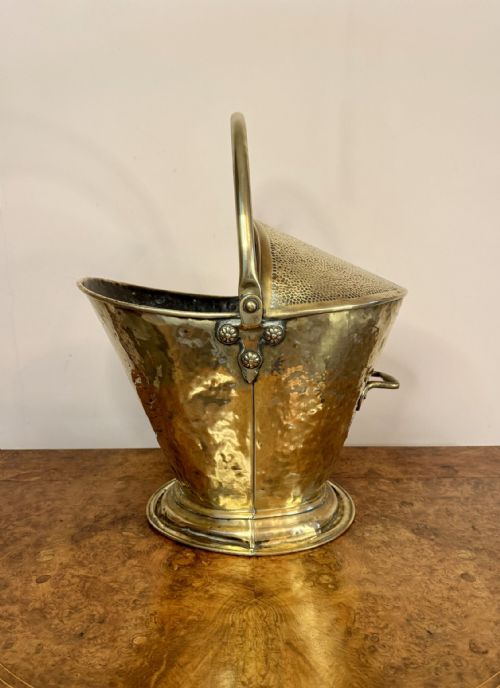
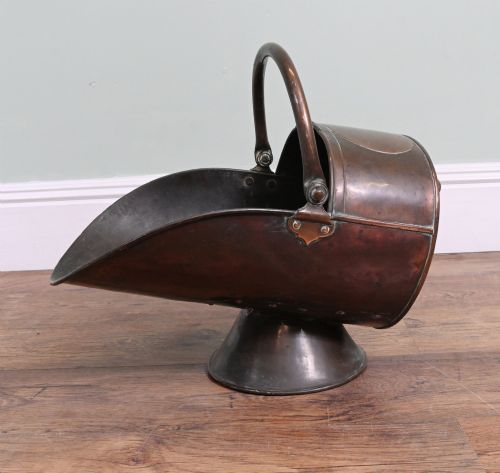
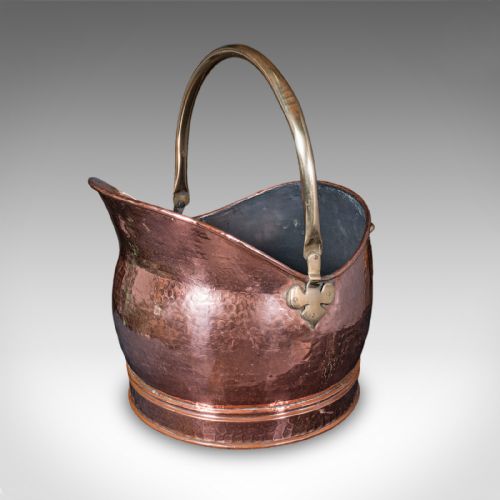
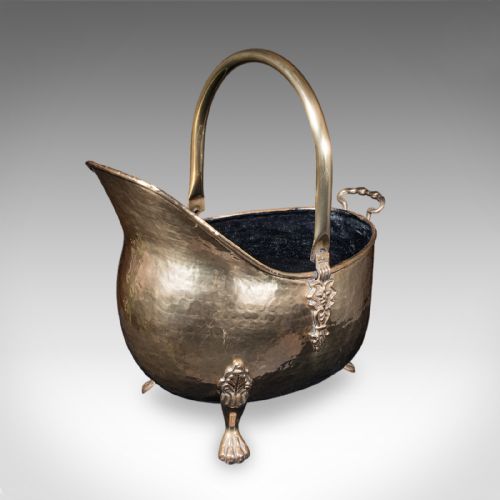
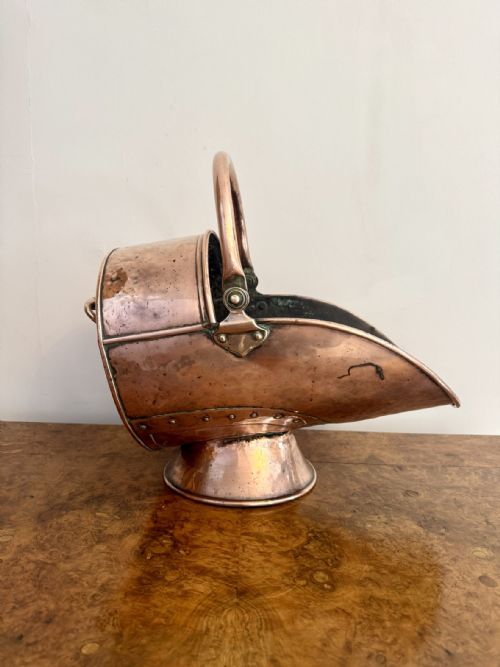
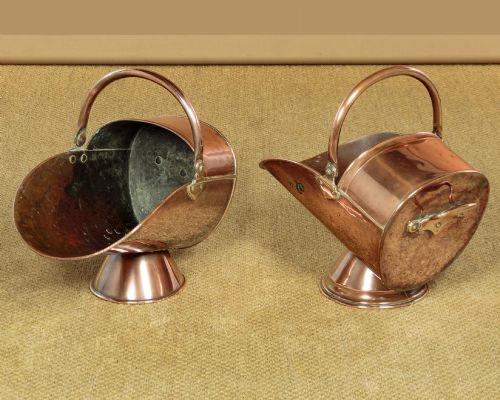
When you examine a coal scuttle hod on this page, you encounter practical fireside containers designed to hold and transport fuel. The selections range from straightforward copper buckets to elaborate helmet-shaped vessels intended to sit beside the grate.
Most examples you meet here belong to the Victorian period, though earlier Georgian and Regency pieces appear alongside Edwardian designs. These items serve as functional fireplace accessories that also act as decorative elements within the room.
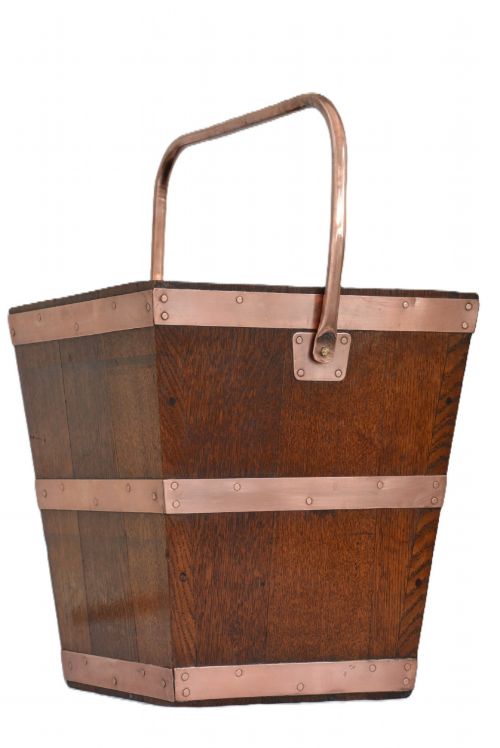
Formations vary from simple cylindrical bins and peat buckets to double-lidded coal purdoniums and specialised receivers. Each piece reflects the domestic heating needs of its era, utilising sturdy shapes built for daily household service.
Materials and Construction
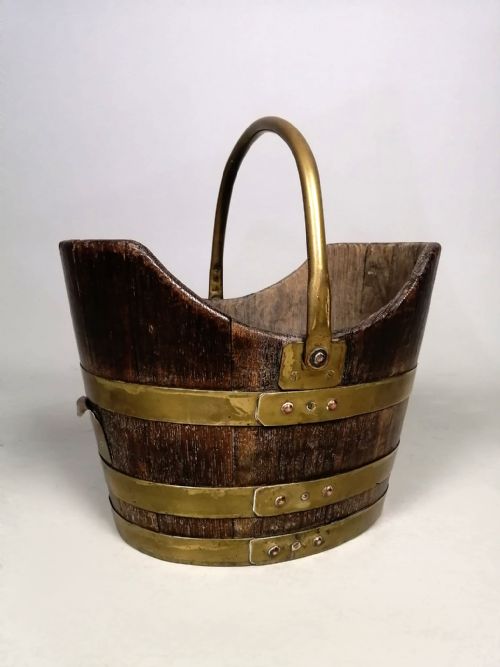
Craftsmen built these vessels primarily using sheet metals such as brass and copper, often shaping them into helmets or buckets with hammer-beaten finishes. Wrought iron and standard iron appear in structural fittings, while oak, walnut, and other timbers form the bodies of wooden hods.
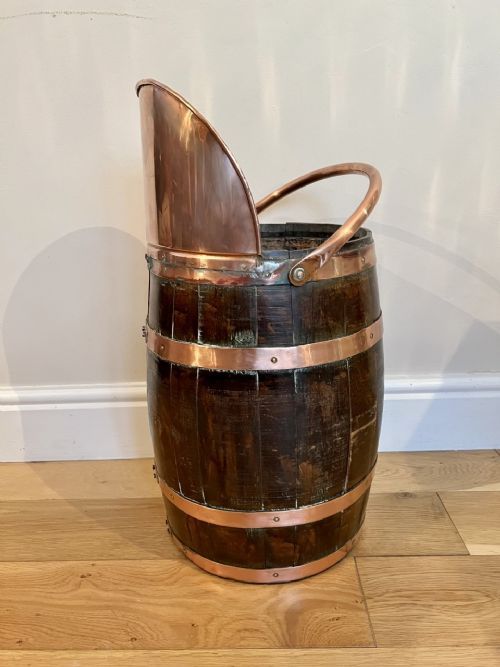
Makers frequently combined materials, mounting copper bodies on brass bases or banding wooden buckets with polished brass straps. Many examples include internal metal liners and matched shovels designed to handle solid fuel efficiently.
Coal Scuttle Hod Retail Price Guide 2026
Typical asking prices for coal scuttle hod among the pieces listed under this phrase on Sellingantiques today, from the lower quarter to the upper quarter. They describe what is for sale here now, not the wider market.
Listings feature items spanning the Georgian, Regency, Victorian, and Edwardian periods, utilising brass, copper, oak, walnut, and wrought iron.
Judging Quality
The distinction between standard utility items and finer examples rests on the weight of the metal, the crispness of the hand-beaten hammering, and the integrity of the joints. Heavy-gauge brass and thick copper retain their structural rigidity through decades of heavy use.
Presence of original components, such as matched brass shovels, internal metal liners, and sturdy handles, elevates a piece significantly. Superior examples display careful finishing at the seams and decorative mounts that remain securely fixed to the body.
BENHAM AND FROUD
The Coal Scuttle Hod Glossary
- Coal purdonium
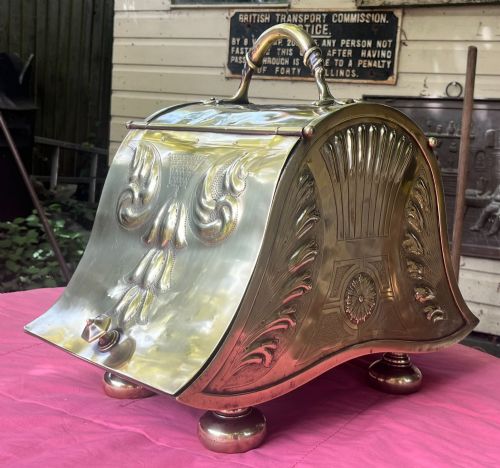
- A box-like Victorian coal container with a sloping front lid and an internal metal liner. This form kept fuel neatly enclosed within the living space.
- Helmet scuttle
- A fireside container shaped like a classical helmet, featuring a flared rim and an elevated pouring spout. This silhouette made transferring fuel to the grate cleaner and more direct.
- Peat bucket
- A deep wooden bucket traditionally used in regions where turf was burned for heat. These pieces often incorporate timber staves bound with metal hoops.
Coal Scuttle Hod: Frequently Asked Questions
What is a coal scuttle hod?
A coal scuttle hod is a traditional fireside container built to store and carry solid fuel like coal or peat. These vessels combine functional metal or wooden bodies with handles designed for daily hearthside use.
Over the centuries, makers developed various shapes, from simple open buckets to lidded purdoniums, allowing homeowners to keep fuel close to the fire without making the hearth untidy.
How do I date a brass coal bucket?
Dating a brass coal bucket involves examining its construction methods, such as hand-beaten hammer marks versus uniform machine rolling, along with the overall style of the piece. Georgian and Regency examples often display simpler, heavier forms, while Victorian pieces embrace decorative helmet shapes and detailed mounts.
Hardware details like rivet types and handle attachments also provide clues to the manufacturing era, helping to separate eighteenth-century items from later nineteenth-century revivals.
Did these pieces always include a shovel?
Many surviving coal scuttles retain their original matching shovels, which were specifically sized to rest in built-in side brackets or holders. These accessories completed the fireside set and ensured the user had the correct tool for transferring fuel.
When a piece retains its original shovel, it adds considerable interest for collectors who appreciate complete sets from the Victorian and Edwardian periods.
How do I use a coal hod in a modern home?
A vintage coal hod functions well beside a modern wood-burning stove or open fireplace as a practical container for logs, kindling, or pellets. The sturdy metal liners and robust handles make them well-suited for holding heavier firewood.
Alternatively, larger copper and brass buckets often serve as umbrella stands or decorative plant holders when placed in hallways or reception rooms.