



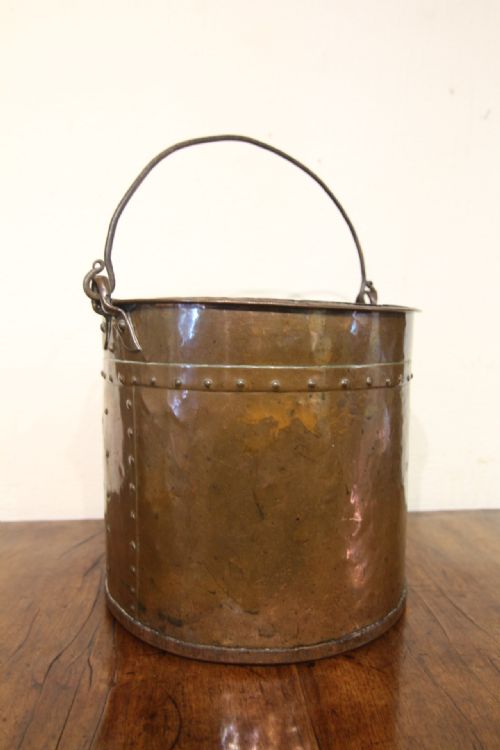

Coal Bucket with Handle
A coal bucket with handle is a utilitarian fireside essential that brings genuine period character and warm metallic lustre to a hearth.
Coal Bucket with Handle
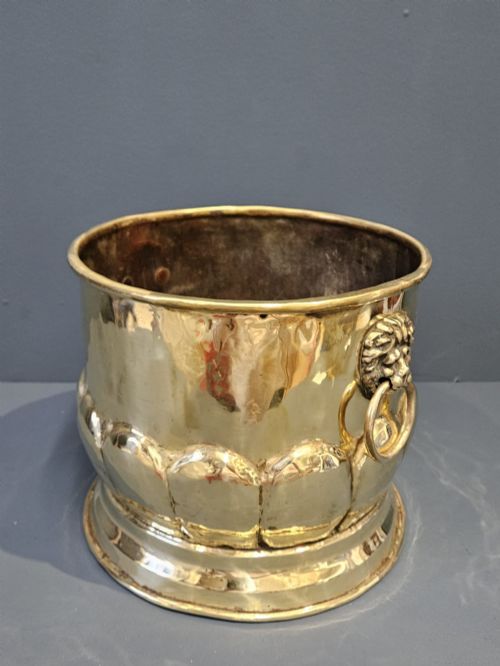
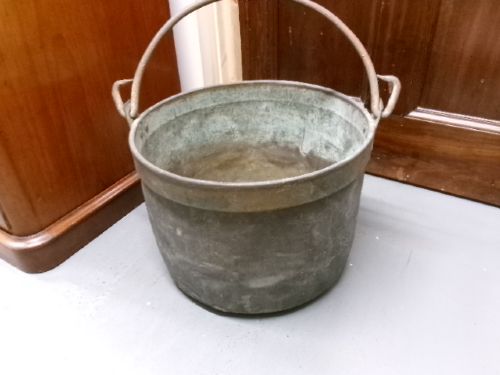
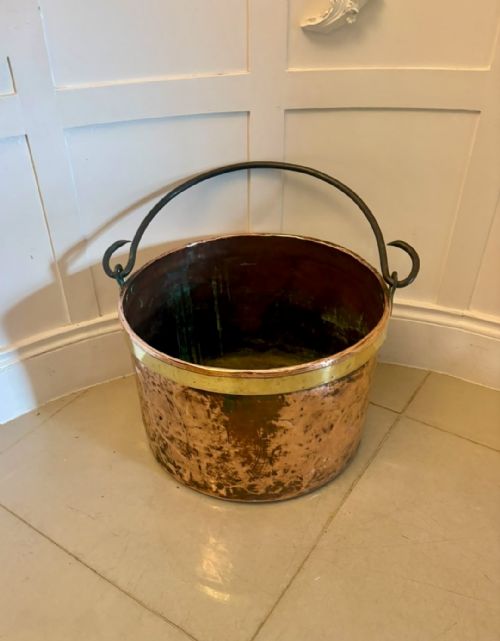
A coal bucket with handle serves the practical purpose of carrying fuel to the hearth while doubling as a decorative fireside accessory. The examples found here range from robust Georgian and Victorian designs to Arts and Crafts creations.
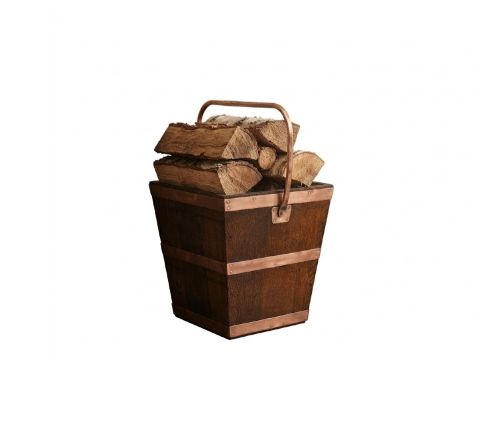
Buyers frequently encounter copper and brass vessels alongside timber buckets bound in brass, often complete with their original shovels or liners. Pieces span the eighteenth, nineteenth, and early twentieth centuries, including military and maritime contexts such as Royal Navy fire buckets.
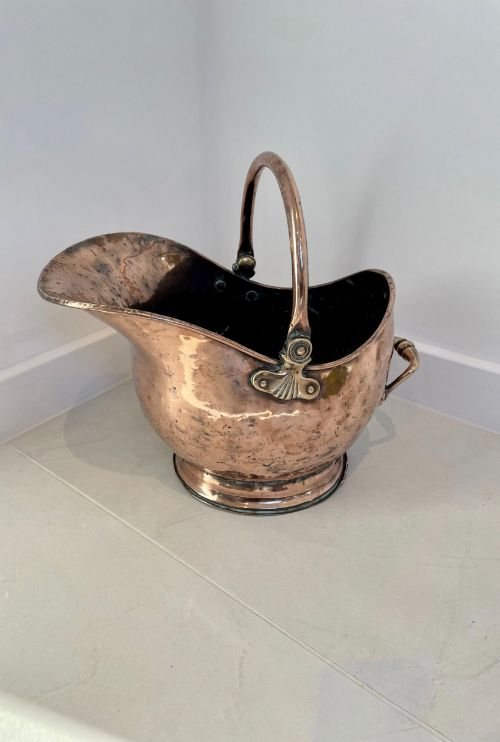
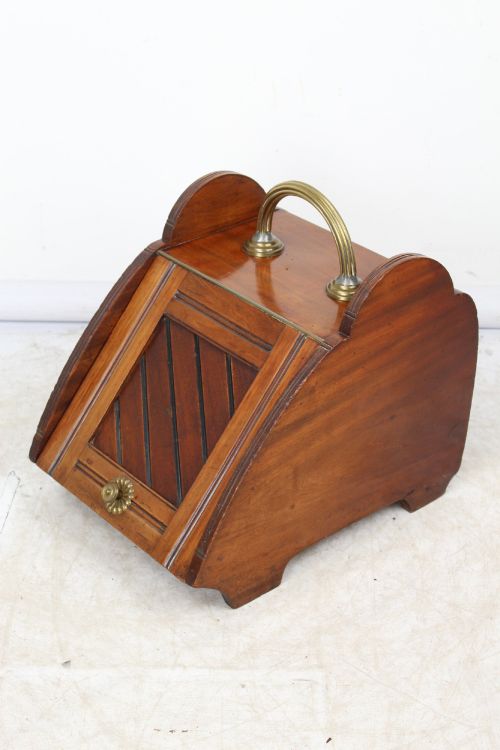
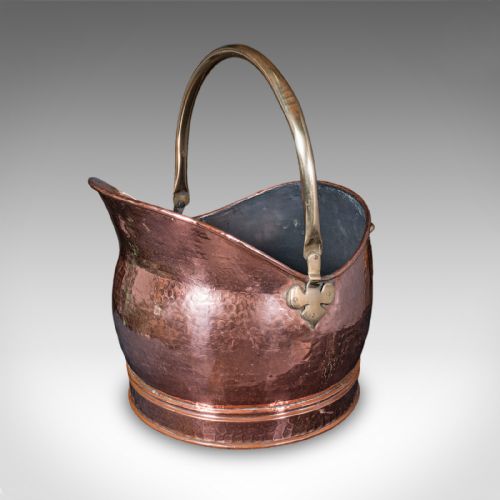
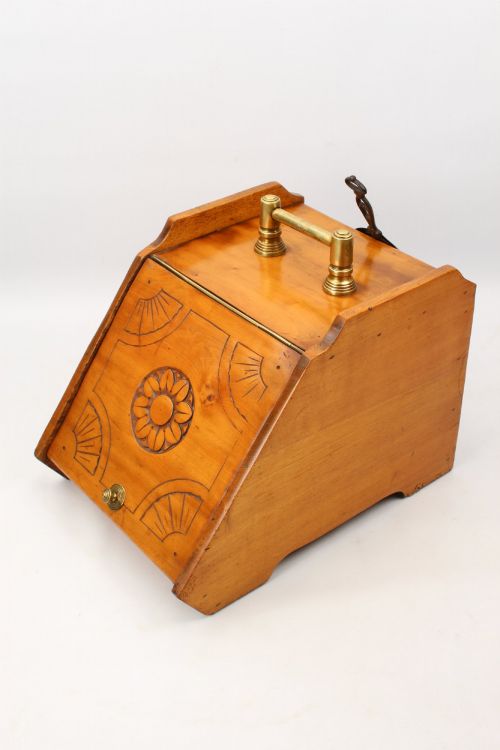
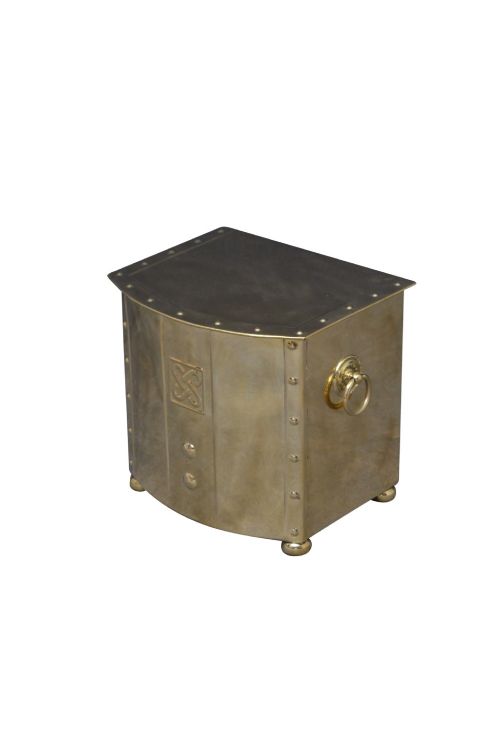
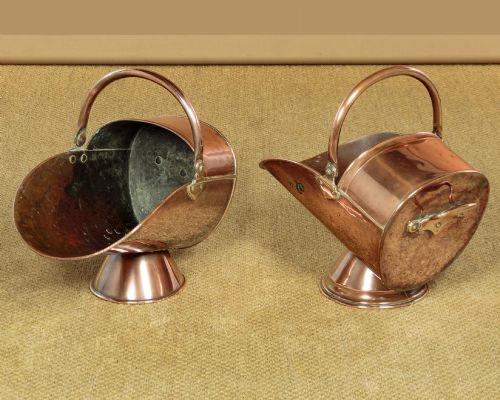
Formations vary from traditional helmet scuttles and cauldrons to purdoniums and specialised trench art shells. The selection emphasises practical hearthware constructed from durable metals and woods suited to daily use.
Materials and construction
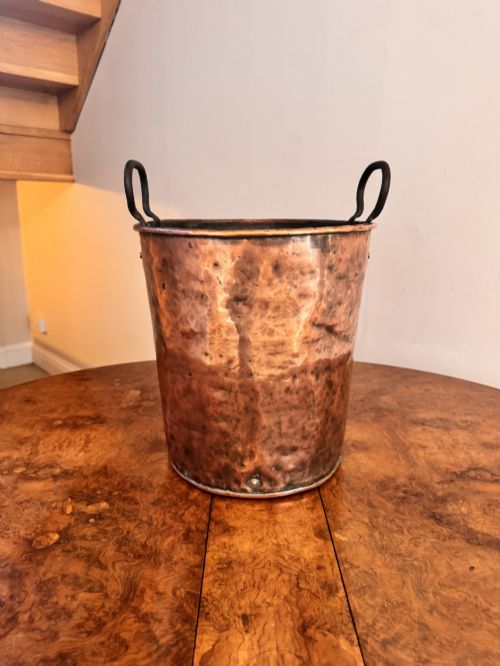
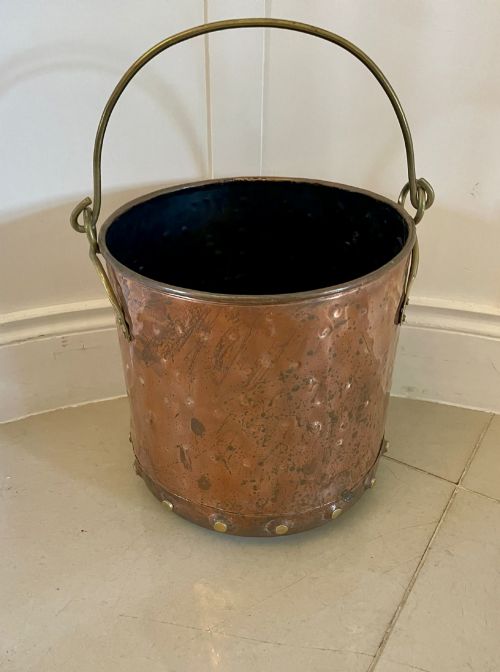
Constructed primarily from heavy-gauge copper, brass, iron, and wrought iron, these items rely on metalworking techniques like hand-riveting and beating to achieve sturdy, watertight vessels. Riveted copper joints provide both structural strength and a distinctive visual texture along the seams.
Wooden variants employ traditional carpentry methods, utilising mahogany and oak staves bound with brass bands or leather treated through boiling. Wrought iron and brass handles are securely attached using robust fixings designed to bear the heavy weight of coal or logs.
Coal Bucket with Handle Retail Price Guide 2026
Typical asking prices for coal bucket with handle among the pieces listed under this phrase on Sellingantiques today, from the lower quarter to the upper quarter. They describe what is for sale here now, not the wider market.
Listings span several eras from the Georgian period through to the 1930s, incorporating materials such as oak, mahogany, boiled leather, brass, and copper.
Quality and craftsmanship
The distinction between standard utility items and finer examples rests upon the weight of the metal, the crispness of hand-beating, and the integrity of the joints. Thicker copper plates and neatly hammered rivets indicate superior workshops rather than mass-produced output.
Originality of components, such as matching shovels, interior liners, and authentic swinging handles, elevates an item's standing. Refined surface patination earned through decades of polishing and use further separates exceptional vessels from ordinary ones.
The Coal Bucket with Handle Glossary
- Purdonium
- A specialised coal box featuring a sloping front lid designed to house fuel neatly beside the fireplace.
- Coal scuttle
- A container with a wide mouth and handle intended for carrying coal to the fire, often shaped like a helmet.
- Boiled leather
- An ancient hardening technique where hide is submerged in hot water or wax to create rigid, durable vessels.
- Armorial crest
- A heraldic design displayed on metal or wood items, denoting specific naval, military, or familial ownership.
Coal Bucket with Handle: Frequently Asked Questions
What is a coal bucket with handle used for?
These vessels were designed to transport coal or logs from an outdoor store directly to the fireplace hearth. They kept solid fuel neatly contained and ready for stoking the fire.
Today, they serve equally well as decorative fireside containers or as large planters for indoor house plants and logs.
How do I clean a copper coal bucket?
Copper vessels benefit from gentle washing with warm soapy water and a soft cloth to remove accumulated soot and dust. Avoid harsh abrasive pads that scratch the historic metal surface.
Many owners prefer to leave a dark, aged patina rather than polishing the metal to a bright, reflective shine.
What materials are these buckets made from?
The listings feature heavy metals including copper, brass, iron, and wrought iron, alongside traditional timbers like mahogany and oak. Some unusual examples incorporate boiled leather or repurposed brass artillery shells.
Handles are typically forged from iron or cast in brass, fastened securely to the main body with rivets.
How can I tell the period of a coal bucket?
Dating relies on observing construction details, such as hand-hammered copper panels and visible rivets typical of nineteenth-century work. Georgian pieces often display different proportions and joinery compared to later Arts and Crafts or Victorian items.
Makers' marks, armorial crests, and specific design styles like the helmet scuttle also point toward particular eras.