





Club Fender Seating
Club fender seating brings low, fireside perches into a room, offering sturdy hearthside framing and comfortable upholstered seats.
Club Fender Seating
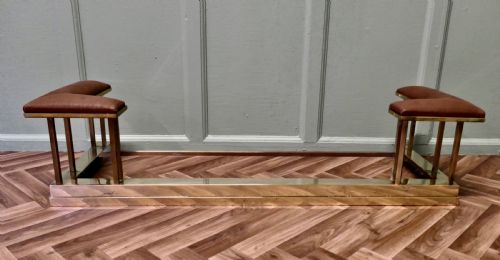
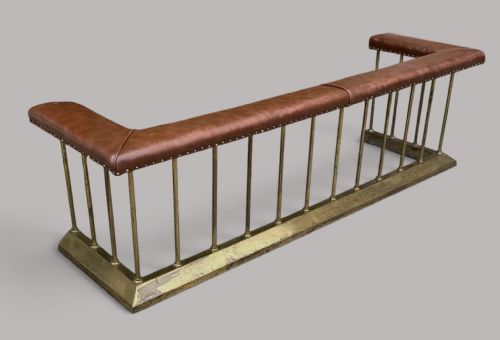
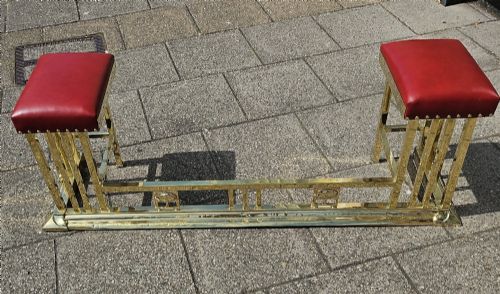
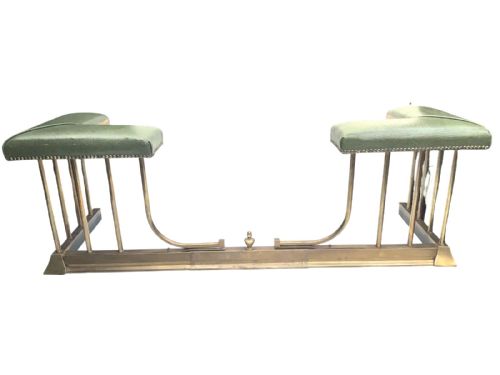
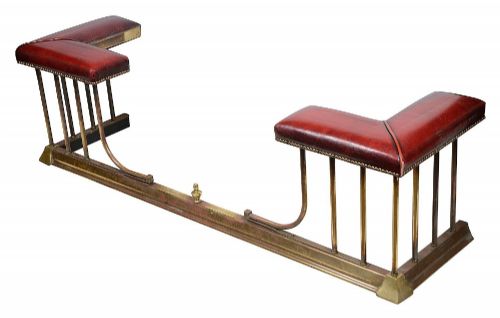
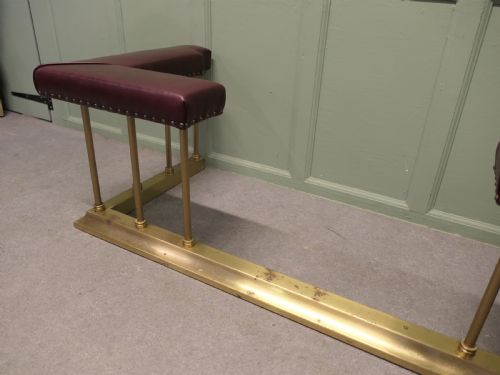
Club fender seating combines a rigid metal or timber hearth frame with padded leather benches, offering low perches directly beside the fireplace. When you examine club fender seating on this page, you meet variants spanning the nineteenth century, the Edwardian era, and the art deco period. These structures originated in gentlemen's clubs and country houses, designed to keep warmth close while seating guests right around the grate.
The most common versions employ polished brass or dark steel frameworks paired with buttoned tan or green leather upholstery. Pieces range from simple nineteenth century brass rails to substantial Edwardian and art deco designs featuring integrated corner seating. Oak, wrought iron, and copper also appear across the selection, providing diverse structural tones for traditional and period interiors.
Materials and construction
Makers constructed the primary frames using heavy brass tubing, cast steel, or wrought iron, occasionally incorporating solid oak or mahogany elements. Metal components were joined with visible fixings, rivets, or cast joints to withstand the heavy loads of fireside seating. Copper and silvered accents sometimes provide contrast against the primary metal structure.
Upholstered seats feature durable leather stretched over padded cushions, often finished with deep buttoning or simple stitched edges. The leather tops attach securely to the metal or wooden bases, creating a low bench that withstands daily heat and heavy use.
One steel fender even comes with direct provenance from the historic In and Out Club.
Judging quality and craftsmanship
Substantial gauge metal and thick timber sections separate robust examples from lighter, decorative reproductions. The weight of the brass or steel frame indicates structural integrity, ensuring the bench remains steady under frequent sitting.
The quality of the leather upholstery and the depth of the padding dictate the comfort and tactile appeal of the seat. Superior pieces display carefully finished hides, tight stitching, and solid internal framing that maintains its shape over decades of fireside placement.
William Birch
The Club Fender Seating Glossary
- Club fender
- A low fireside surround incorporating upholstered seats on the top rails. This form positions sitters level with the hearth fire.
- Chesterfield seat
- A heavily buttoned leather upholstery style often applied to the top rails of the fender. This traditional finish provides deep cushioning.
- Art Deco
- A twentieth century style characterised by sleek lines, geometric forms, and polished metal finishes. These fenders introduce streamlined elegance to the hearth.
Club Fender Seating: Frequently Asked Questions
What is club fender seating?
Club fender seating refers to a low metal or wooden hearth surround fitted with cushioned leather benches on top. It bridges the gap between a traditional fireplace guard and a fireside bench.
These pieces allow people to sit directly beside the fire, making efficient use of hearth space in large rooms.
How were club fenders used?
They were originally utilised in country houses and gentlemen's clubs to maximise warmth during colder months. Guests sat right on the perimeter of the fireplace while keeping sparks contained within the grate.
Today, they serve both a practical seating function and a decorative role in period living rooms.
How do I identify Victorian examples?
Victorian versions typically feature substantial brass or steel frames, often paired with mature tan leather or buttoned upholstery. Look for heavy cast construction and traditional nineteenth century proportions.
Later Victorian and Edwardian pieces frequently introduce polished brass finishes and more ornate corner supports.