



Clear Ribbed Glass
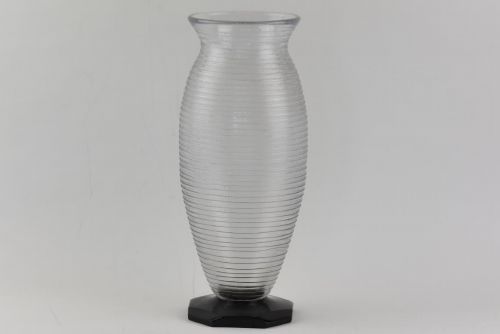
Clear ribbed glass brings tactile texture and clean refraction to domestic interiors, spanning lighting, tableware and desk accessories from past centuries.
Clear Ribbed Glass
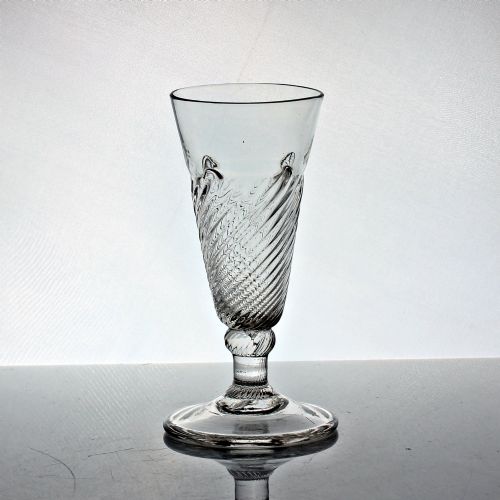
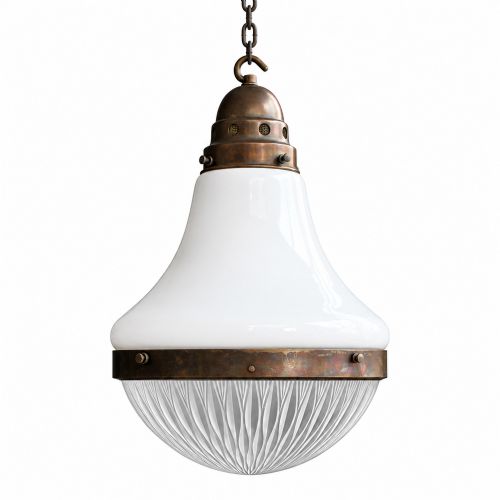
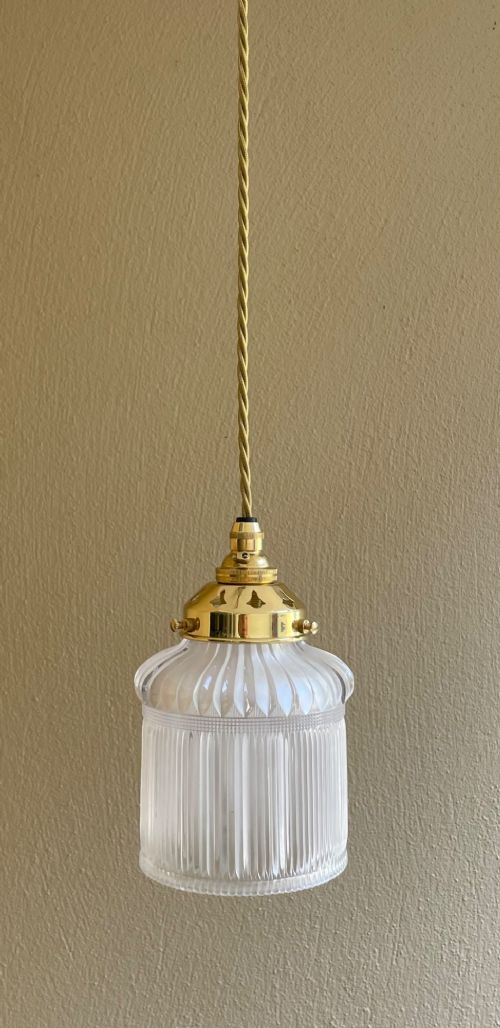
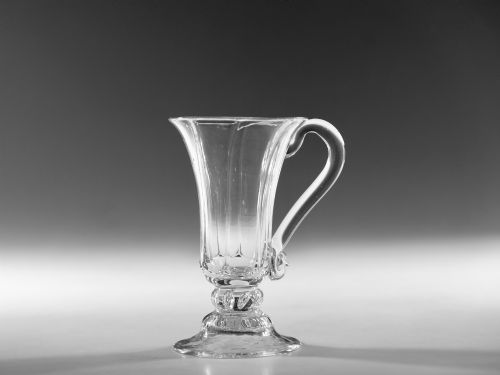
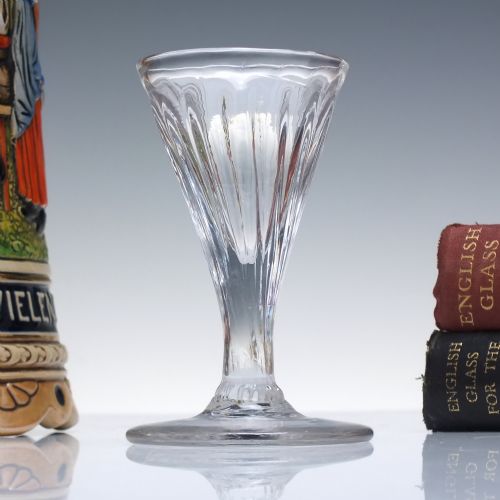
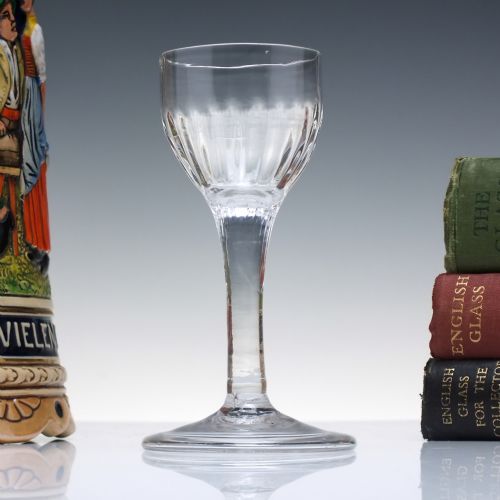
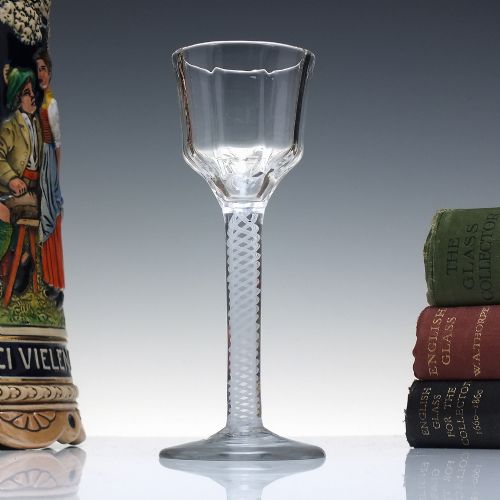
Clear ribbed glass encompasses a diverse category of objects designed for illumination, dining and household utility, appearing in forms ranging from heavy industrial shades to delicate eighteenth-century drinking vessels. When searching this phrase, a buyer encounters everything from Georgian wine glasses and sweetmeat dishes to Edwardian and later Holophane pendant lights.
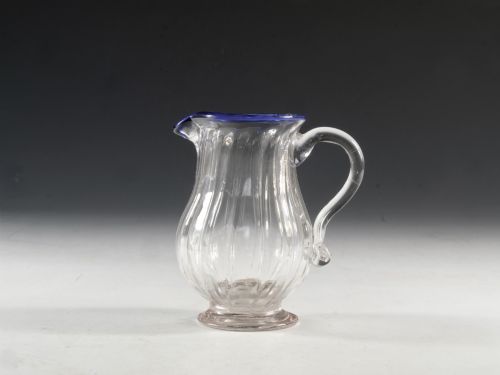
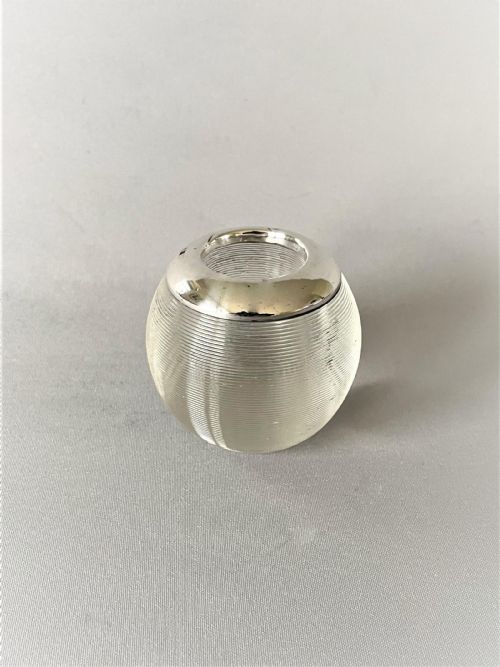
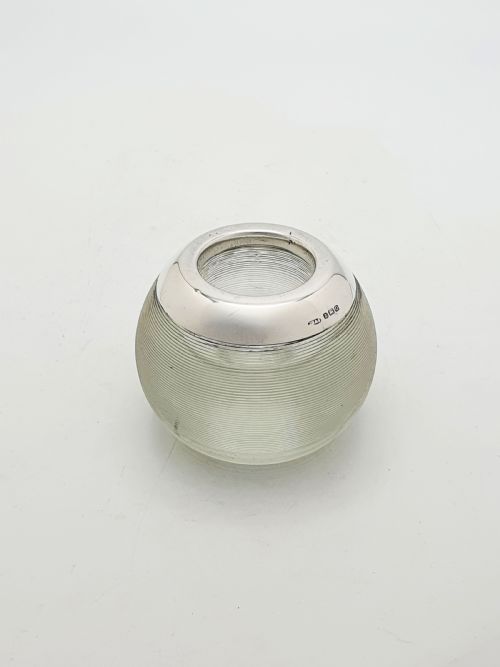
The material also manifests in desktop accessories such as sterling silver-mounted match strikers and pepper grinders, alongside functional tableware including decanters, cream jugs and mustard pots. These pieces bridge decorative arts and everyday utility, utilising the vertical ridges to diffuse light or enhance grip.
How they were made
Makers utilised lead glass, lead crystal and prismatic glass, often blowing or pressing the molten material into rib-moulds to create the characteristic linear pattern. For lighting applications, specific optical designs like prismatic glass were employed to refract and direct light efficiently.
Many tabletop and bar pieces combine the clear glass body with mounts and collars in sterling silver, brass or chrome. These metals were fitted around the rims or necks to reinforce the vessels and attach functional elements like grinder mechanisms or hinged lids.
Clear Ribbed Glass Retail Price Guide 2026
Typical asking prices for clear ribbed glass among the pieces listed under this phrase on Sellingantiques today, from the lower quarter to the upper quarter. They describe what is for sale here now, not the wider market.
Listings span from the Georgian period through the Edwardian era into the mid-twentieth century, featuring glass, brass, and sterling silver.
What varies in quality
Quality rests on the crispness of the rib moulding, the clarity and weight of the glass body, and the integration of any metal mounts. Earlier Georgian pieces often display the subtle irregularities of hand-blown and rib-moulded production, while industrial lighting relies on precise prismatic engineering.
The preservation of original components, such as sterling silver collars, hallmarked mounts and matching stoppers, elevates an example. Superior items maintain clean, unclouded surfaces and undamaged ribs that successfully catch and scatter light.
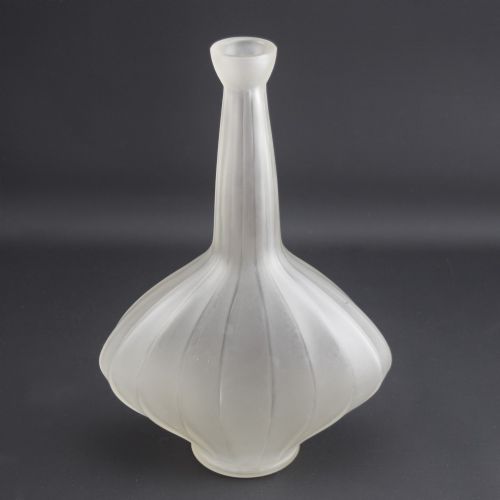
Holophane·Rene Lalique·Daum
The Clear Ribbed Glass Glossary
- Rib-moulded
- A technique where glass is blown into a patterned mould to impart vertical ridges before being expanded. This process creates the tactile linear texture seen on eighteenth-century dram glasses and jelly ware.
- Prismatic glass
- Specially moulded glass featuring angled prisms designed to refract and diffuse light efficiently. It is characteristic of industrial pendant lights produced by makers like Holophane.
- Sweetmeat glass
- A small pedestal vessel from the Georgian period used for serving sweet confections, nuts or preserves. They frequently feature detailed ribbing on the bowl or foot.
- Match striker
- A desktop or pocket accessory, often combining textured or ribbed glass with a sterling silver collar. The exterior surface allows safety matches to be ignited by friction.
- Ogee bowl
- An asymmetrical, double-curved profile resembling an 'S' shape seen on certain eighteenth-century wine glasses. This contour often incorporates vertical ribbing rising from the base.
Clear Ribbed Glass: Frequently Asked Questions
How do I clean clear ribbed glass?
Wash the glass gently in lukewarm water using mild detergent and a soft cloth to avoid scratching the surface. Avoid sudden temperature changes to protect older lead glass from thermal shock.
For pieces with sterling silver or brass mounts, keep moisture away from the metal fittings and dry thoroughly immediately after washing.
Are these pendant lights suitable for modern homes?
Industrial and Edwardian prismatic shades integrate easily into contemporary interiors, providing bright, diffused illumination over tables and work spaces. They require standard electrical wiring compatible with period fittings.
Check the gallery and fitter size to ensure the shade accommodates current suspension cord sets safely.
How can I date an eighteenth-century glass?
Examine the pontil mark on the underside, the weight of the metal, and the forming technique, as earlier pieces often show hand-finished traits and lighter lead content. Compare the bowl shape and stem construction against established typologies.
Georgian tableware frequently exhibits slight surface variations that distinguish it from later machine-pressed reproductions.
What is a match striker used for?
Match strikers were essential desk and smoking room accessories designed to hold matches and provide a rough exterior surface for ignition. The textured glass body allowed users to strike a match directly against the vessel.
Many examples feature hallmarked sterling silver rims and are collected as fine silver-mounted desk antiques.