




Clear Lalique Glass
Clear lalique glass brings together the brilliance of early twentieth century design and master moulding.
Clear Lalique Glass
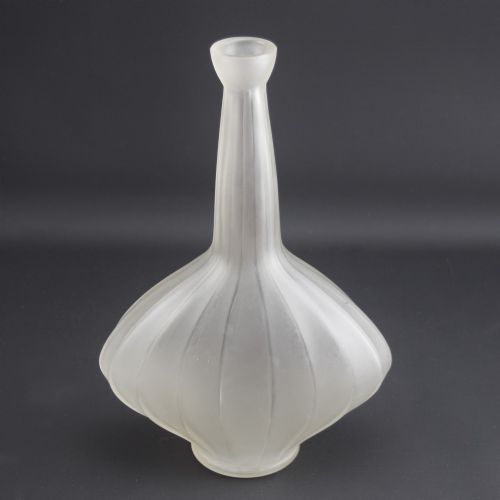
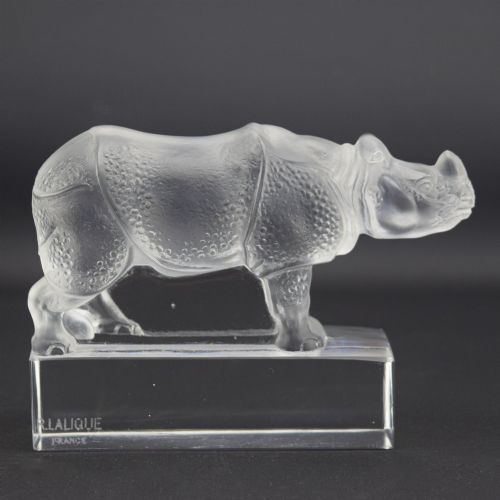
When you search for clear lalique glass, you encounter objects shaped by twentieth century French design, spanning vases, car mascots, perfume bottles and paperweights. These pieces demonstrate the transition from elaborate natural motifs to geometric abstraction through the twentieth century.
You are most likely to meet pieces originating from the 1920s and 1930s, reflecting Art Deco and Art Nouveau aesthetics. Forms range from utilitarian decanters and ashtrays to sculptural car mascots and decorative bowls.
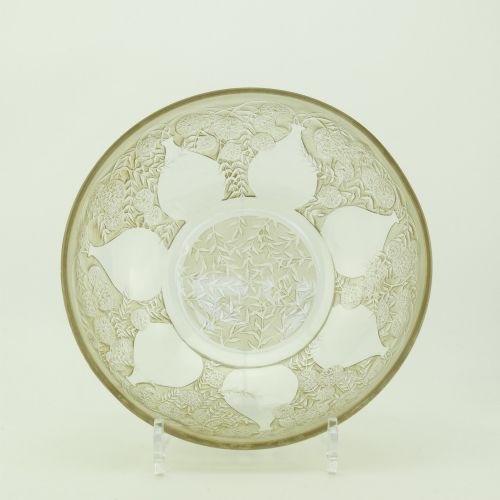
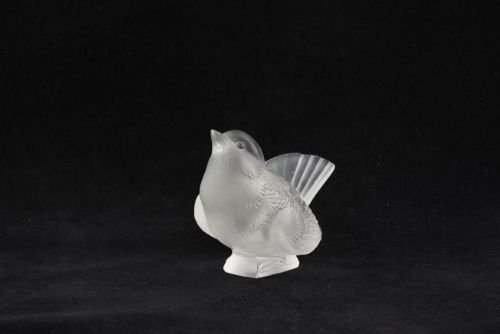
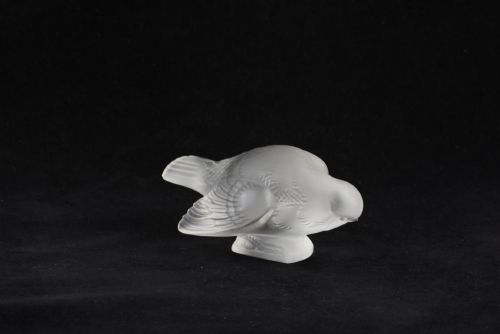
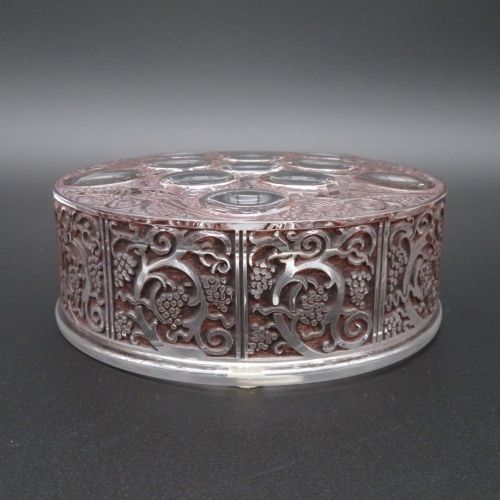
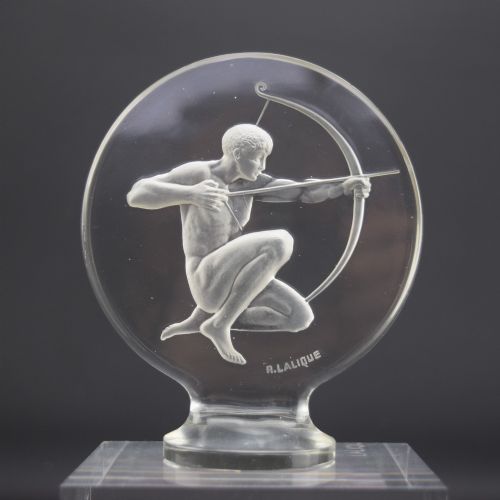
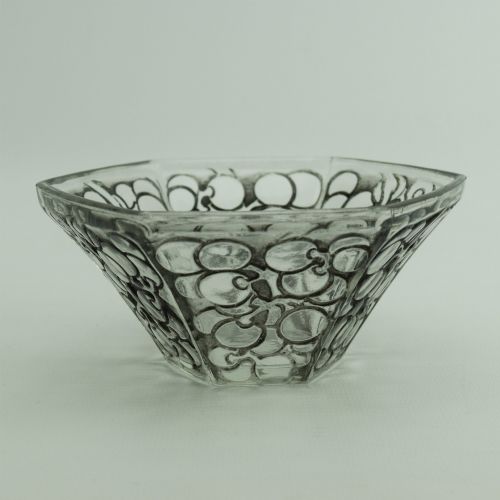
Many examples combine transparent surfaces with contrasting frosted areas or coloured stains to emphasise relief detail. The selection on this page shows how diverse functional objects became canvases for decorative glassmaking.
Materials and Technique
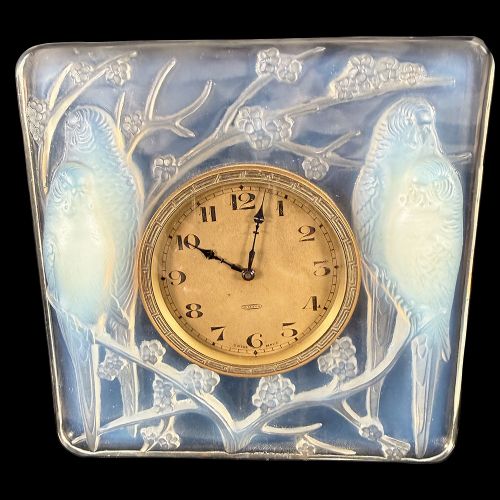
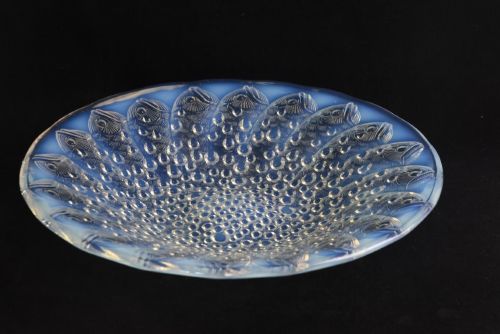
Makers utilised clear glass, frosted glass, crystal and opalescent glass, often combining transparent elements with matte or textured surfaces. Selected pieces incorporate enamel and metal mounts to complete the composition.
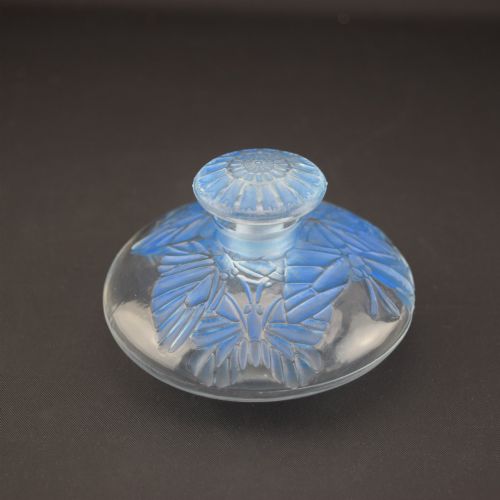
Moulded glass production allowed intricate figurative reliefs of birds, insects and human forms to emerge with sharp definition. Artisans frequently applied blue, sepia, red or other coloured stains into the recesses to accentuate the modelled details.
Listings feature items spanning the 1900s, 1910s, 1920s, and 1930s periods, executed in crystal, opalescent glass, and frosted glass.
Evaluating Quality
The degree of crispness in the moulded relief separates superior examples from softer iterations, as sharper details capture the intended play of light across transparent and frosted surfaces. The deliberate contrast between polished clear areas and matte frosted sections dictates the visual depth of the object.
The application and preservation of original coloured stains significantly influence the character of individual pieces. Well-executed execution maintains subtle transitions that complement the underlying glasswork rather than obscuring it.
Rene Lalique·R Lalique
The Clear Lalique Glass Glossary
- Moulded glass
- Glass formed by pressing molten material into a metal or wooden matrix to create three-dimensional decoration. This technique allowed for the consistent reproduction of complex figurative reliefs.
- Frosted glass
- Glass treated to achieve a matte, non-reflective surface finish through acid etching or sandblasting. It provides a stark textural contrast against polished transparent sections.
- Opalescent glass
- Speciality glass that displays milky blue or amber hues when viewed under different lighting conditions. This optical effect shifts depending on the angle of illumination.
- Car mascot
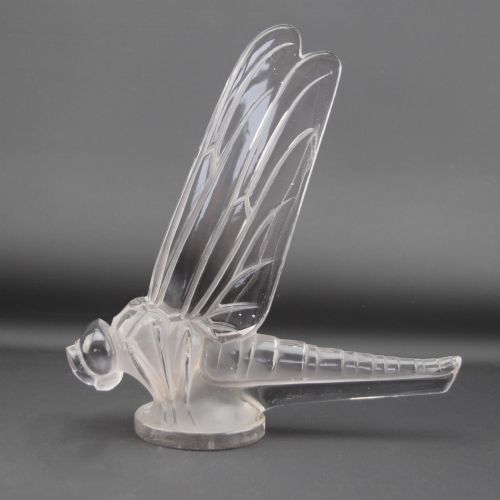
- Sculptural ornament mounted on the radiator cap of a motor vehicle during the early decades of the twentieth century. These sturdy glass figures doubled as miniature works of art.
- Stain
- Pigment applied to the recessed portions of a glass object to highlight the modelled design. Colours such as blue, sepia and red were common choices.
Clear Lalique Glass: Frequently Asked Questions
What is clear lalique glass?
Clear lalique glass encompasses decorative and functional objects produced primarily during the early twentieth century by French workshops. These items range from perfume bottles and car mascots to large vases and bowls.
Production heavily featured moulded techniques, combining transparent passages with frosted textures to accentuate sculptural forms. The resulting pieces defined the aesthetic of the Art Deco and Art Nouveau movements.
How do I date these pieces?
Dating relies heavily on stylistic indicators, specific signatures, and the historical periods associated with particular forms. Pieces from the 1920s and 1930s often exhibit distinct Art Deco geometric discipline alongside traditional botanical motifs.
Examining the type of glass, colour stains, and catalogue records helps place individual items within the production timeline. Comparing known models provides a reliable framework for determining approximate age.
Were these items meant to be used?
Many objects served practical purposes despite their decorative appearance, including decanters, ashtrays, powder boxes, desk blotters and champagne coolers. Perfume bottles and cigarette holders were designed for daily personal utility.
Over time, the surviving examples transitioned from functional household goods into collectible display pieces. Their dual nature as both art and utility defined their original appeal.
How should I display them?
Displaying these glass objects effectively requires careful attention to lighting, as transmitted light highlights the interplay between clear and frosted surfaces. Placing them where natural light can pass through the material reveals subtle details in the moulding.
Stable surfaces away from edge hazards ensure the physical safety of heavier items like bowls and vases. Grouping complementary forms, such as perfume bottles or paperweights, creates a cohesive visual arrangement.