

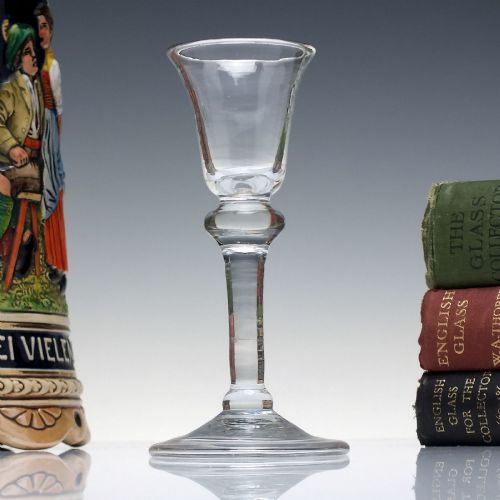
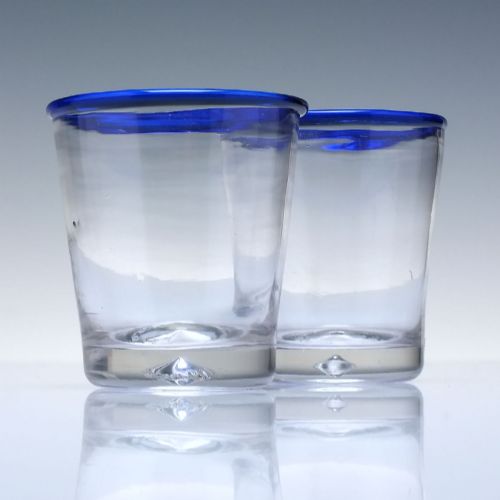
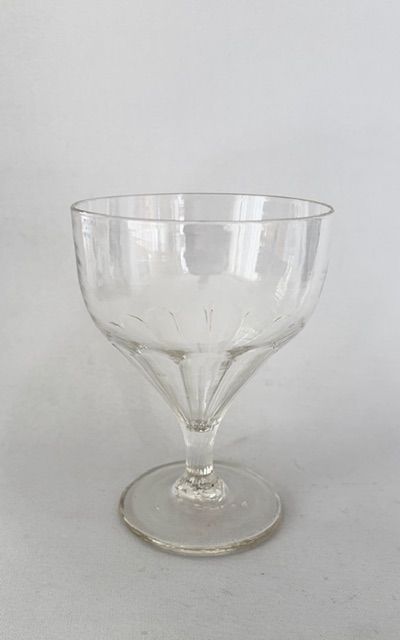
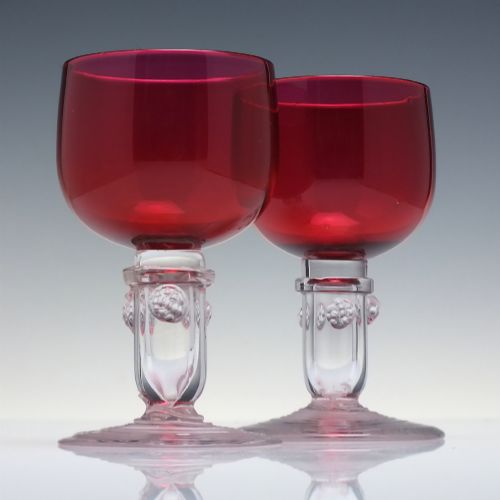
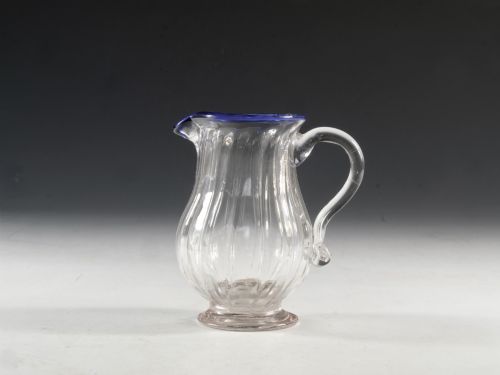
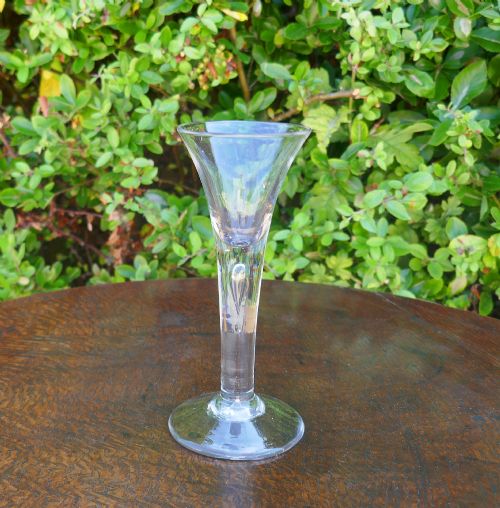
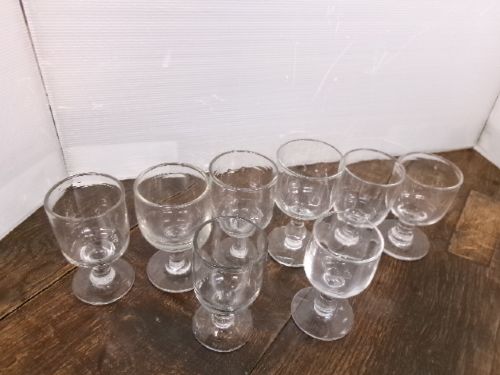
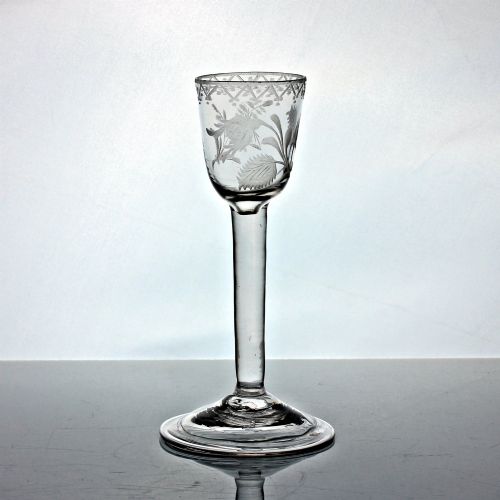
Clear Hand Blown Glass
Clear hand blown glass unites centuries of domestic drinking vessels and decorative objects made from lead glass, crystal and clear glass.
Clear Hand Blown Glass
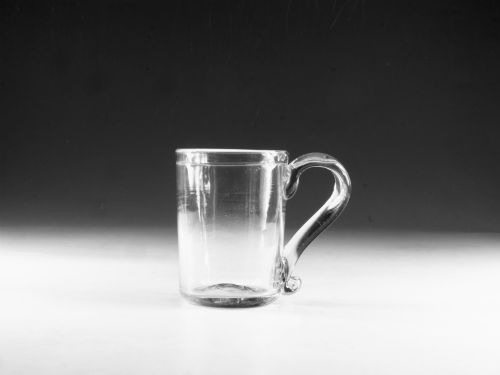
Clear hand blown glass brings together functional vessels and display items originating across the eighteenth, nineteenth and early twentieth centuries. Pieces here span simple tablewares to ornate lighting, featuring periods from Georgian production through to Victorian and Edwardian work.
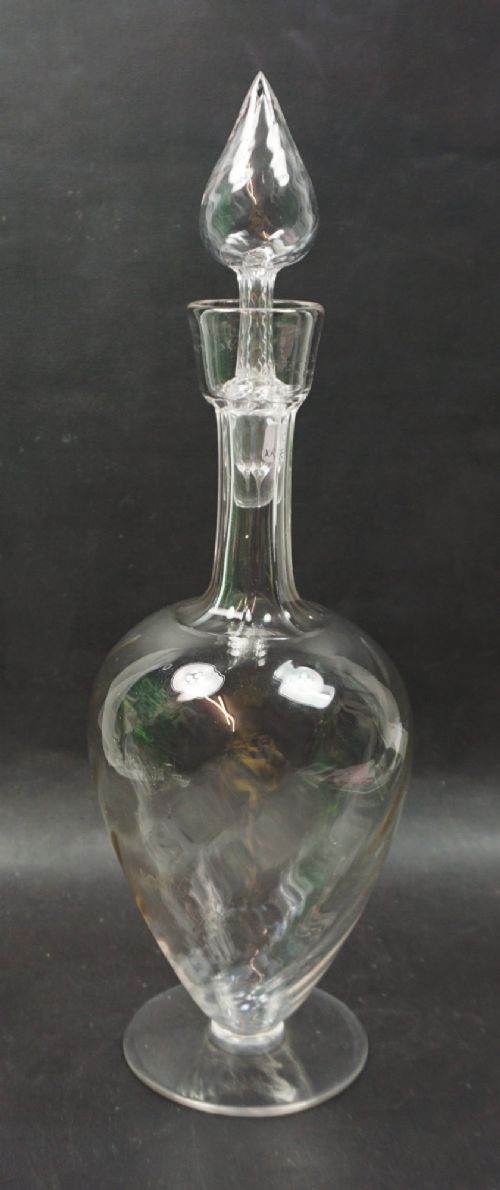
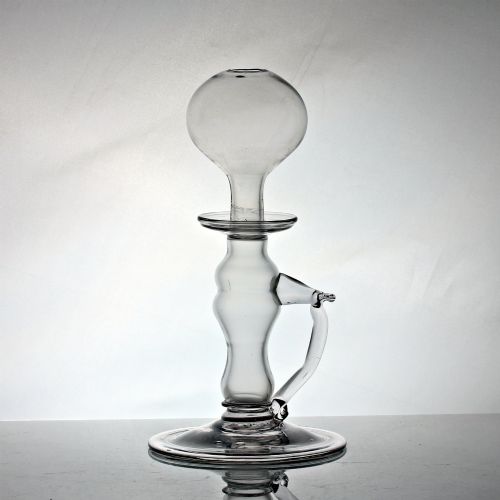
The objects you encounter most frequently on this page include wine glasses, decanters and oil lamps alongside apothecary jars and ewers. Form follows function directly, whether in the deep bowl of a rummer or the slender throat of a decanter.
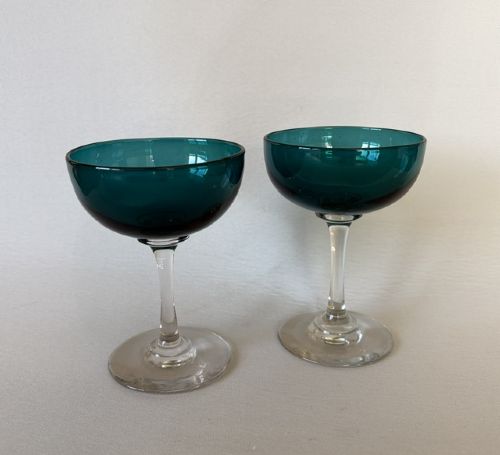
Makers and regional styles extend from English workshops to Italian and Bohemian centres, incorporating Arts and Crafts designs alongside traditional tavern and domestic wares.
Materials and Techniques
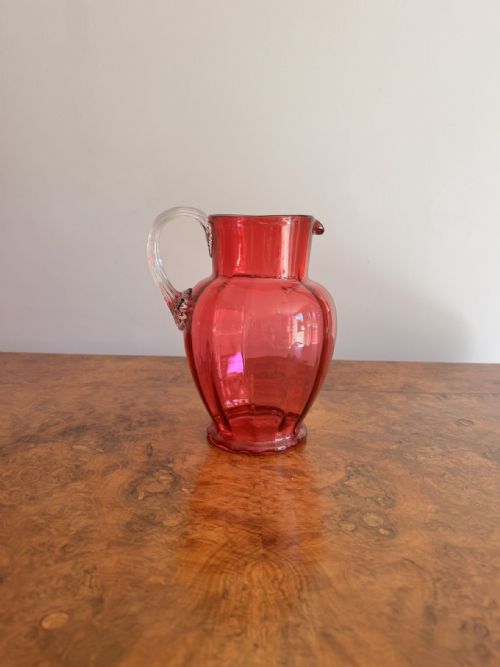
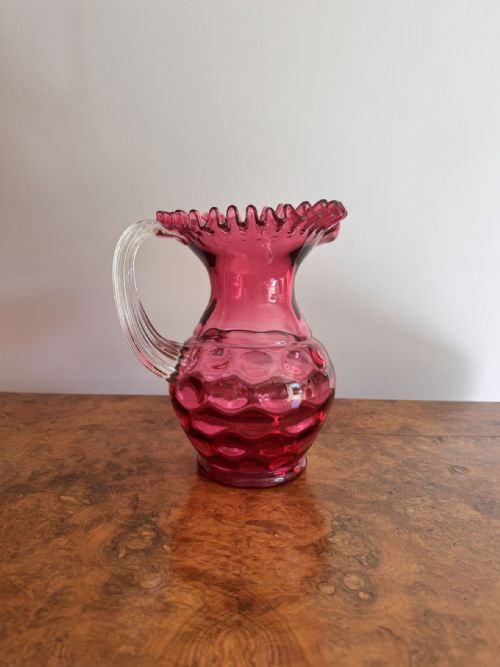
Makers utilised clear glass, lead glass and lead crystal, sometimes combining the material with brass or ceramic fittings as seen in period oil lamps. Metal oxides were added to create variations like cranberry glass while retaining transparent qualities.
Clear Hand Blown Glass Retail Price Guide 2026
Typical asking prices for clear hand blown glass among the pieces listed under this phrase on Sellingantiques today, from the lower quarter to the upper quarter. They describe what is for sale here now, not the wider market.
Listings feature items spanning the Georgian, Victorian and Edwardian eras, executed in clear glass, lead crystal and cranberry glass.
Standards of Production
Weight and clarity distinguish superior vessels from heavier or more utilitarian items, with lead crystal offering a more resonant ring and sharper refraction. The purity of the metal and the absence of heavy clouding signal higher grade material preparation.
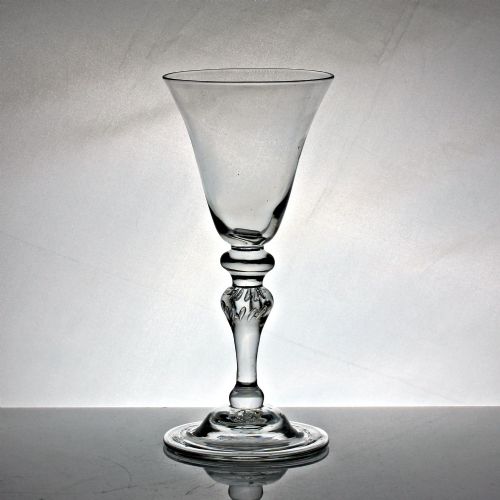
Finesse in execution separates workshop output, evident in the symmetry of a trumpet bowl, the balance of a pedestal stem, or the precision of applied trails and gadrooning. Hand finishing on pontil marks and rims shows the level of care taken at the bench.
James Powell·Archibald Knox for Liberty
The Clear Hand Blown Glass Glossary
- Pontil mark
- The rough scar left on the base of a vessel where the punty rod was detached after blowing. It is often ground or polished smooth on finer pieces.
- Air tear
- An elongated bubble trapped inside the stem or base of a drinking glass during manufacture. Makers often placed these deliberately for decorative effect.
- Tazza
- A shallow ornamental cup or bowl raised on a high foot or pedestal. These pieces were typically used for serving fruit or sweetmeats at the table.
- Rummer
- A large, sturdy drinking glass popular in the nineteenth century, usually featuring a short stem and a bucket-shaped bowl.
- Carboy
- A large, bulbous glass bottle traditionally enclosed in wicker, utilised by chemists and apothecaries for storing liquids.
Clear Hand Blown Glass: Frequently Asked Questions
What is clear hand blown glass?
Clear hand blown glass encompasses transparent vessels, tableware and decorative objects shaped by hand using traditional glassblowing techniques. These items range from eighteenth-century wine glasses to Victorian decanters and Edwardian stemware.
Each piece reflects the optical qualities and weight characteristic of lead glass or crystal formed without mechanical moulding presses.
How do I date old glass?
Dating relies on observing form, pontil preparation, tool marks and the specific composition of the metal. Georgian pieces often display distinct stem structures and metal weights compared to later Victorian or Edwardian manufacturing.
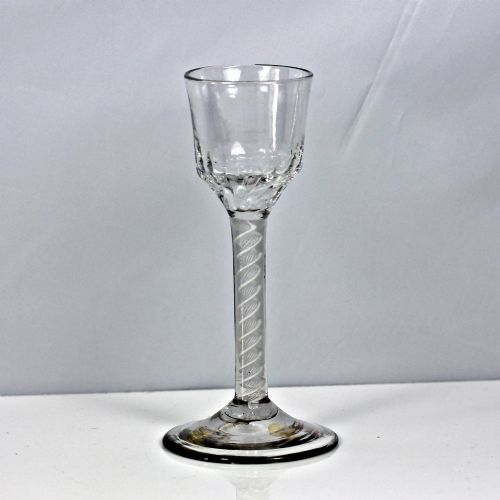
Matching stylistic details such as cut facets, facet stems or applied handles against documented examples helps narrow the period of origin.
How were oil lamps used?
Oil lamps provided domestic illumination before electric lighting became widespread, utilising burning oil drawn up through a wick. Tall glass or ceramic bodies held the fuel safely while chimneys regulated the flame.
They stood on tables or sideboards in principal rooms, combining functional lighting with decorative coloured or clear glass shades.
Can I use antique glassware?
Many sturdy nineteenth-century items remain robust enough for gentle everyday use, though delicate eighteenth-century drinking vessels are generally reserved for display or careful handling. Hand washing in warm water preserves the surface finish.
Avoiding sudden temperature changes prevents thermal shock in older lead glass and crystal.