

Clear Glass Stem
A clear glass stem brings the precise weight and light of 18th Century and Victorian drinking vessels to the table.
Clear Glass Stem
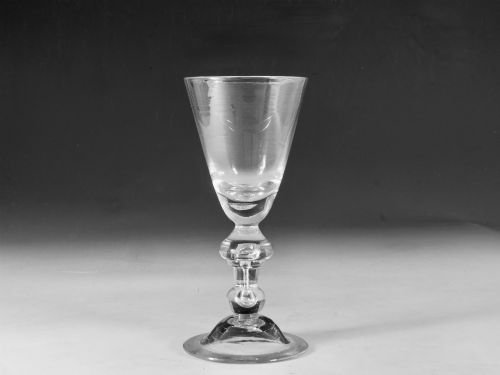
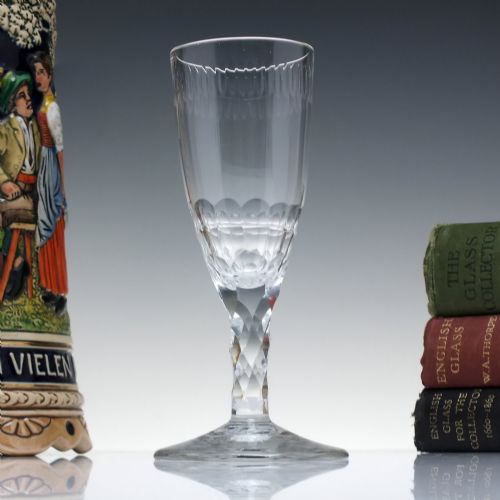
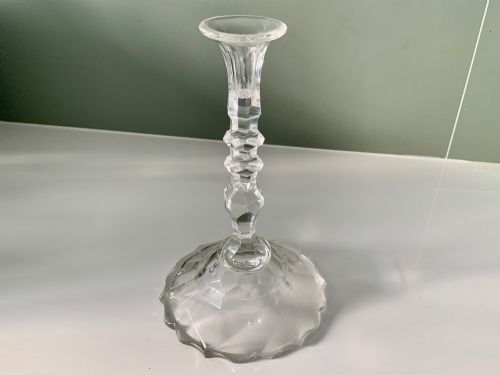
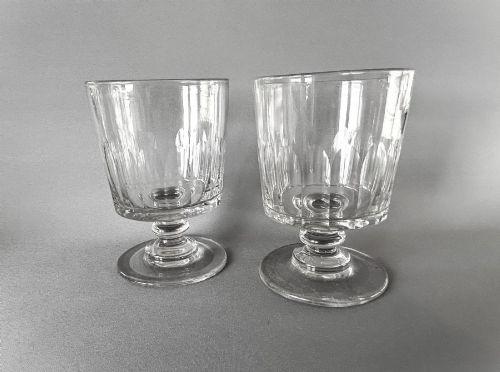
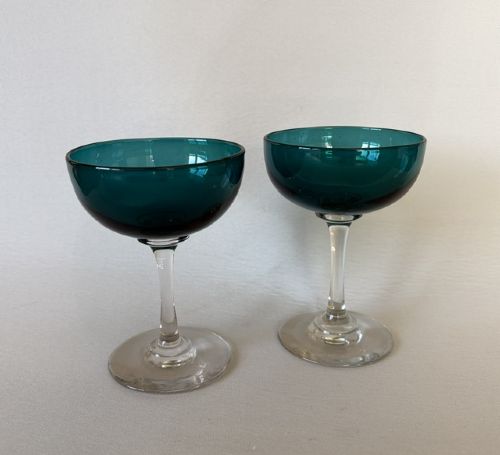
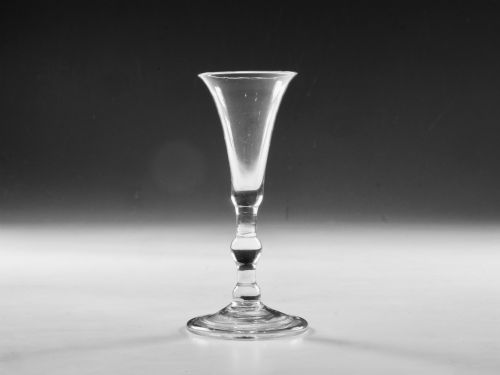
When seeking a clear glass stem, collectors encounter drinking glasses, wine glasses, rummers, and champagne flutes spanning the Georgian and Victorian periods, alongside later examples. The selection ranges from plain stem wine glasses and balustroids to complex twists and cut glass champagne flutes.
Most items originate from 18th Century English workshops or later 19th Century production, incorporating forms such as bell bowls, ogee bowls, and trumpet bowls. These stemware pieces served functional roles for wine, ale, gin, and champagne.
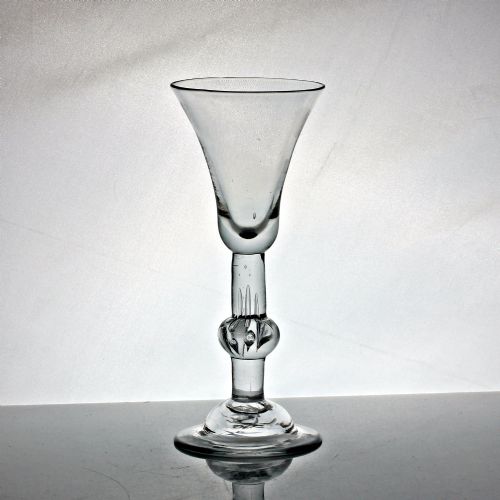
The material presentation focuses on transparency, allowing the structure of the stem, whether solid, baluster, or twisted, to define the visual presence of the vessel on the table.
Materials and Construction
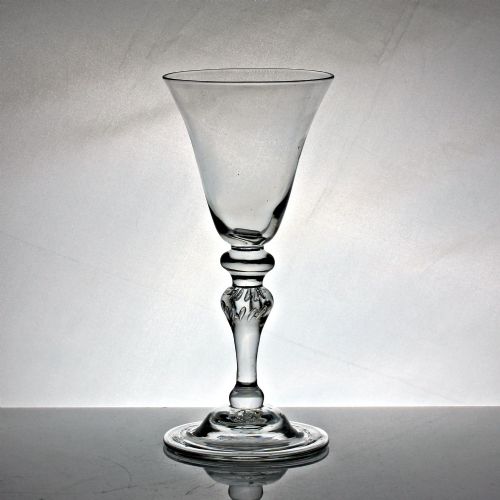
Makers relied on lead glass, lead crystal, and flint glass to achieve clarity and weight in these stems. These heavy glass compositions permitted the drawing of slender stems and the formation of internal air bubbles, known as air tears.
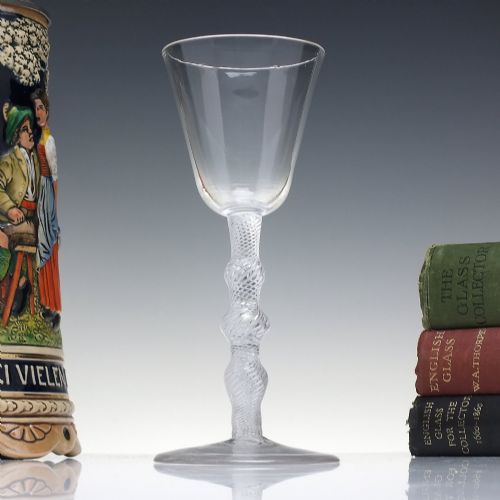
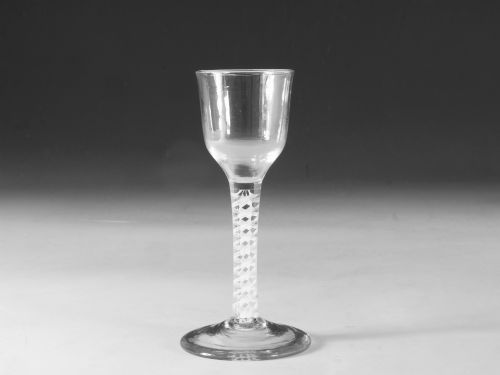
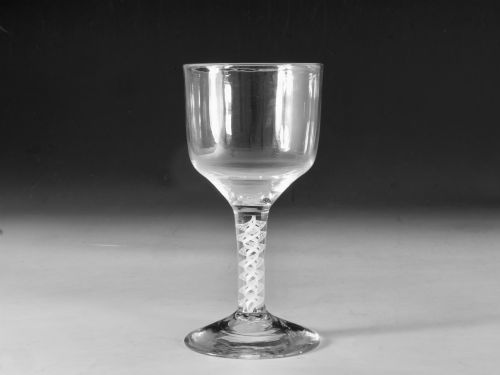
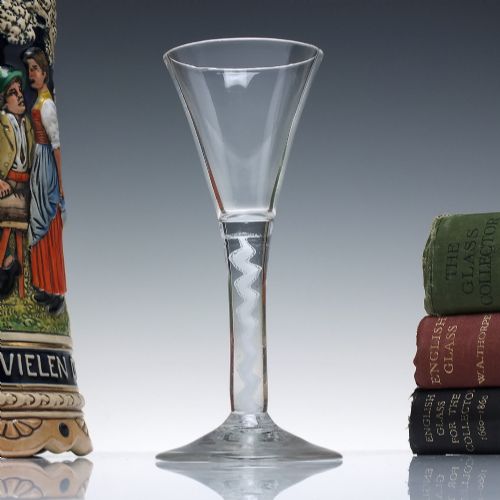
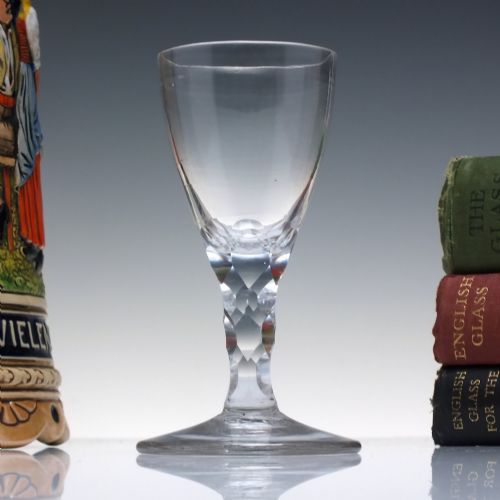
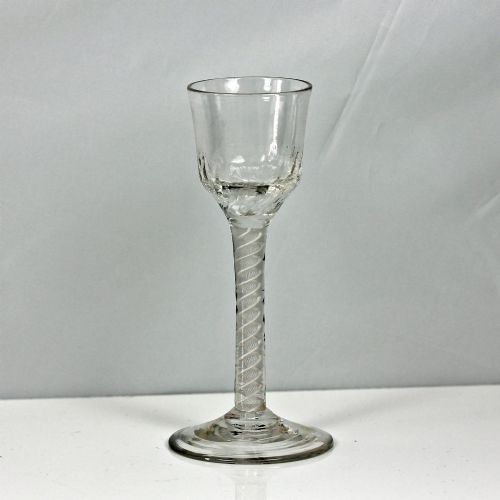
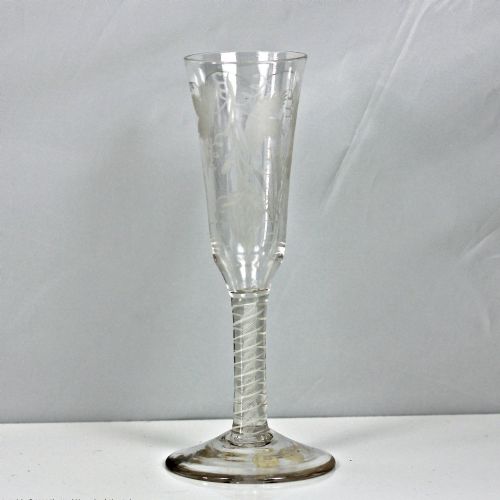
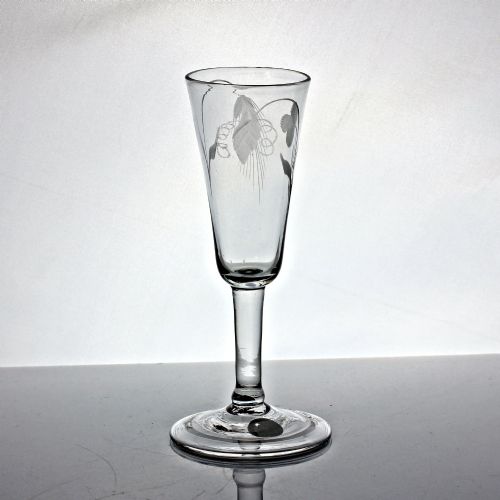
Techniques included optical moulding, cutting, and engraving, alongside the intricate manipulation of air twists and opaque twists within the stem. Artisans finished foot rims with folded edges for stability and strength.
Surface decoration frequently involved wheel engraving, star-etching, and gilding, applied to bowls configured for specific beverages like ale, ratafia, and wine.
Clear Glass Stem Retail Price Guide 2026
Typical asking prices for clear glass stem among the pieces listed under this phrase on Sellingantiques today, from the lower quarter to the upper quarter. They describe what is for sale here now, not the wider market.
Several glasses preserve tiny trapped air bubbles intended as structural flaws that became decorative triumphs.
Distinctions in Quality
Quality rests in the proportional balance between the bowl, the stem, and the foot, as well as the purity and weight of the lead glass. Superior examples display crispness in wheel engraving and precise execution in double series opaque twists or multi spiral air twists.
The complexity of the stem construction dictates much of the distinction, where master glassmakers achieved regularity in air tears and symmetry in baluster knops. Lesser pieces present simpler plain stems with heavier metal distribution and minimal optical refinement.
Baccarat Vallee·Moser Bohemian·Theresienthal
The Clear Glass Stem Glossary
- Baluster stem
- A heavy, swelling stem form resembling an architectural support, typical of early Georgian drinking vessels.
- Air twist
- A spiral channel of elongated bubbles trapped within the solid glass stem during manufacture.
- Opaque twist
- Threads of white or coloured enamel glass drawn into a spiral pattern inside a clear glass stem.
- Folded foot
- A rim turned under during blowing to provide extra weight and durability to the base of the glass.
- Rummer
- A large, sturdy drinking glass introduced in the Georgian period, often set on a short stem with a conical or bucket bowl.
Clear Glass Stem: Frequently Asked Questions
What were rummers used for?
Rummers served as robust drinking vessels for ale, punch, and wines during the Georgian and Victorian eras. Their generous bowls and sturdy stems made them practical for daily dining.
Smaller examples were suited to drams and spirits.
Are air twist and opaque twist stems different?
Air twists contain spiralling threads of trapped air inside the clear glass stem. Opaque twists incorporate solid white or enamel glass threads drawn into patterns.
Both techniques required advanced skill from the glassmaker.
How should antique stemware be displayed?
Display these pieces in cabinets with stable shelving away from direct sunlight and temperature fluctuations. Ensure adequate spacing between items to protect delicate rims and folded feet.
Hand washing in tepid water preserves the historic glass surface.