


Clear Glass Barware
Clear glass barware brings together centuries of drinking vessels, decanters and ice buckets designed for entertaining.
Clear Glass Barware
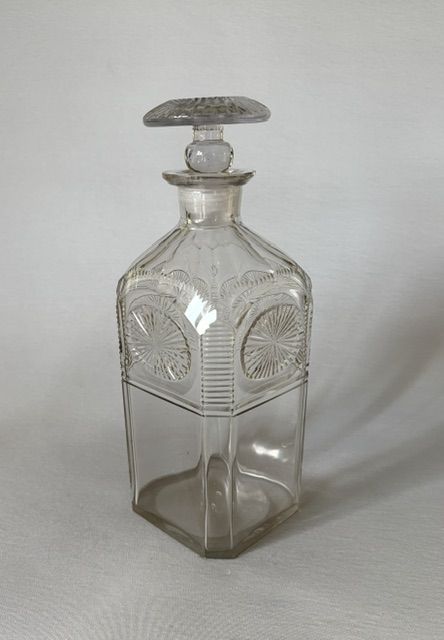
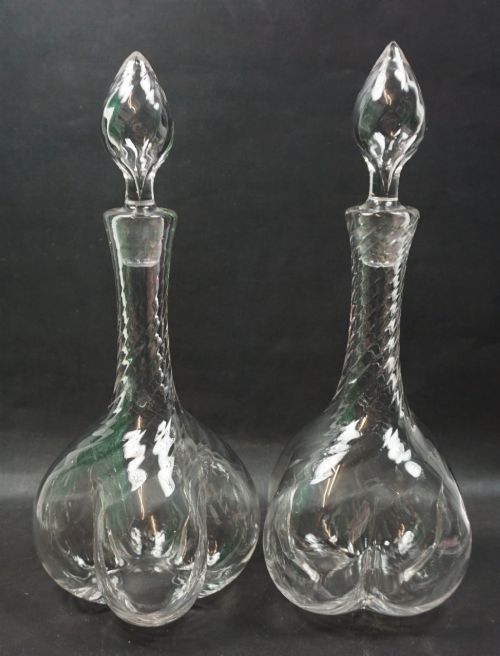
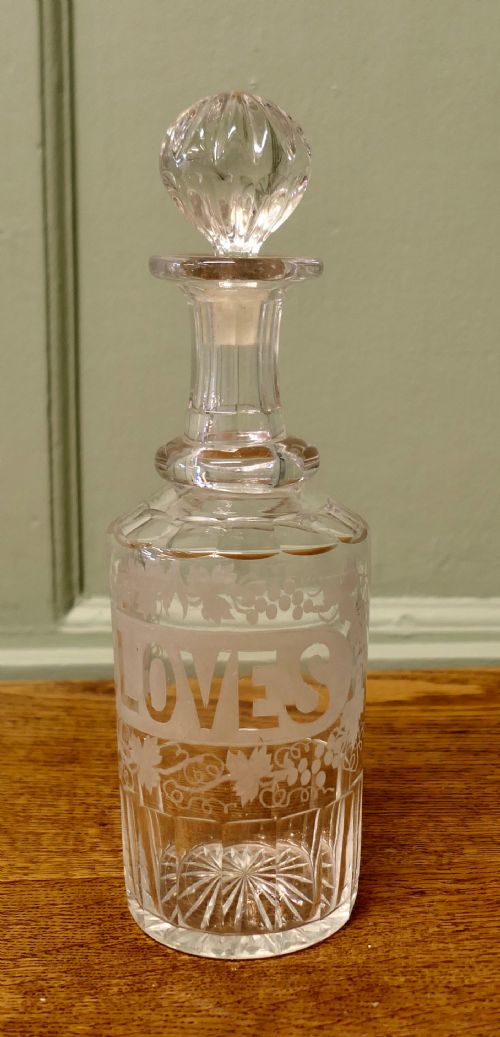
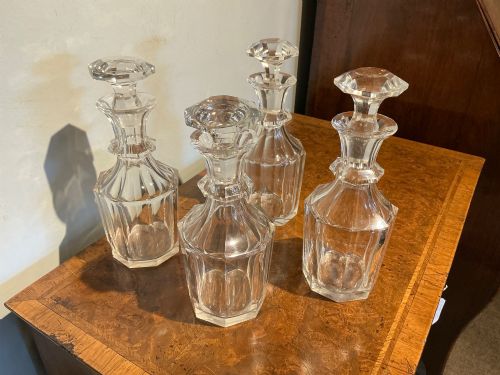
Clear glass barware covers everything from Georgian rummers and toastmaster dram glasses to Victorian etched crystal decanters and Edwardian cut glass jugs. These vessels were made for serving wine, spirits and liqueurs at the table or sideboard during formal and domestic gatherings.
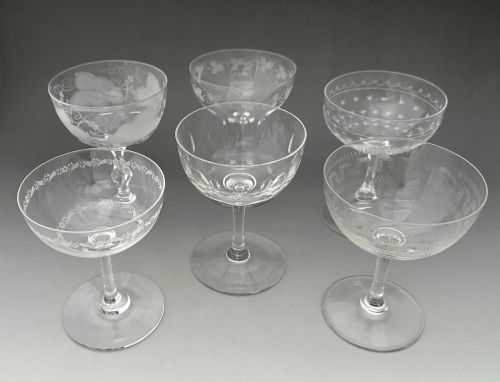
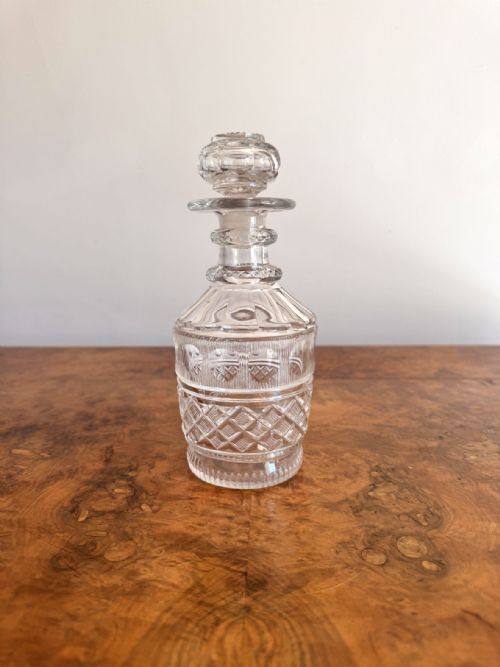
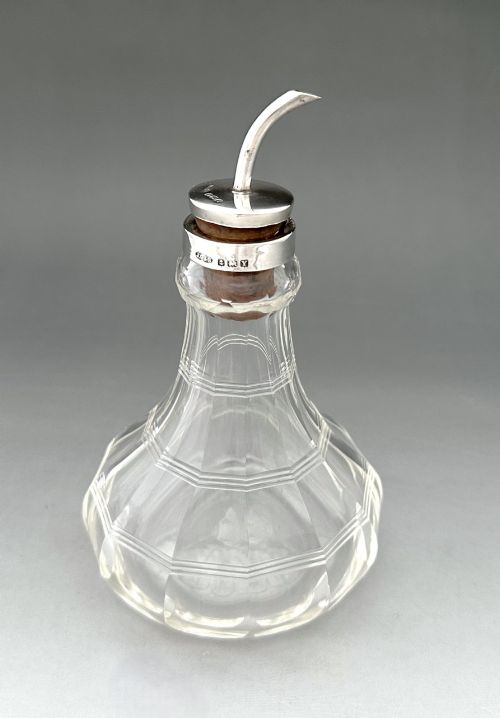
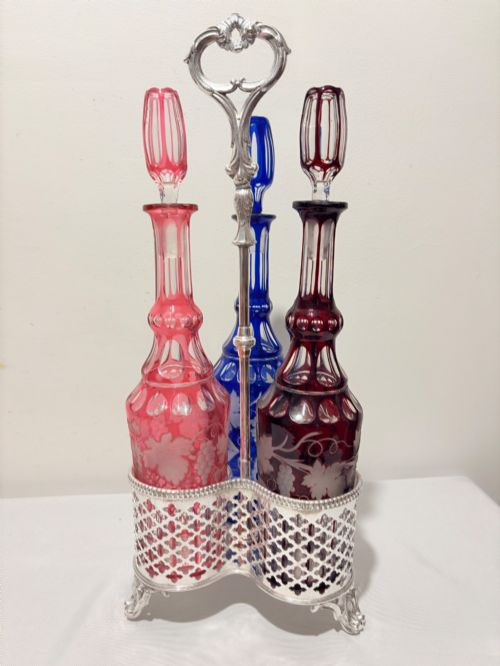
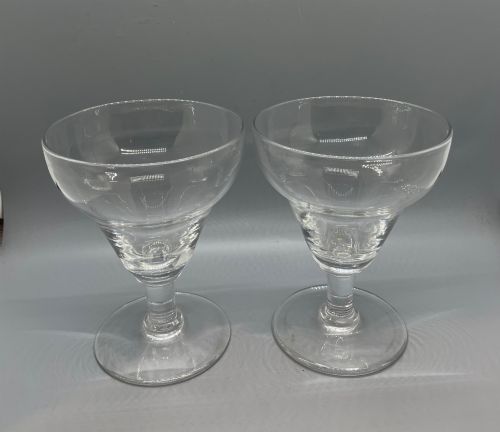
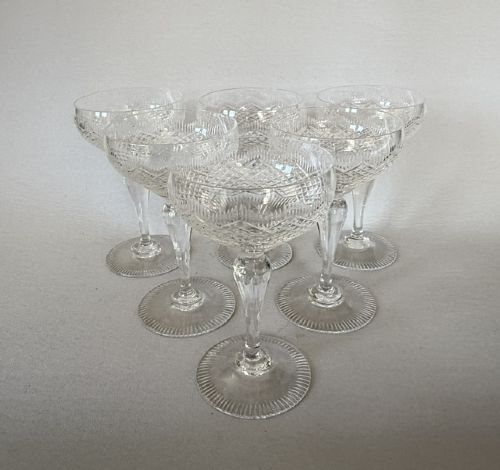
The most common pieces found in this selection are decanters and drinking sets dating from the nineteenth and early twentieth centuries. Buyers encounter heavy cut glass decanters, silver-mounted spirit flasks, and matching sets of tumblers or champagne bowls from the Victorian and Edwardian periods.
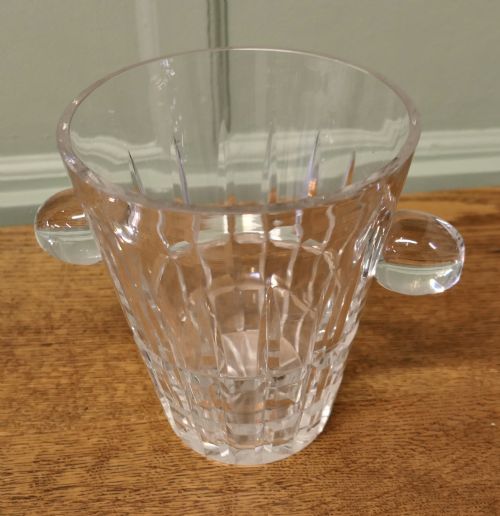
Later twentieth-century examples shift towards Art Deco cocktail shakers, French crystal ice buckets, and soda syphons. These mid-century items reflect changing social habits, moving from formal dining rooms towards dedicated cocktail hours and home bars.
Materials and construction
The primary material is clear glass, lead crystal or cut crystal, shaped by blowing into moulds or free-blowing by hand. Many pieces utilise deep wheel-cutting, hand-engraving or surface etching to create geometric or floral patterns that catch the light.
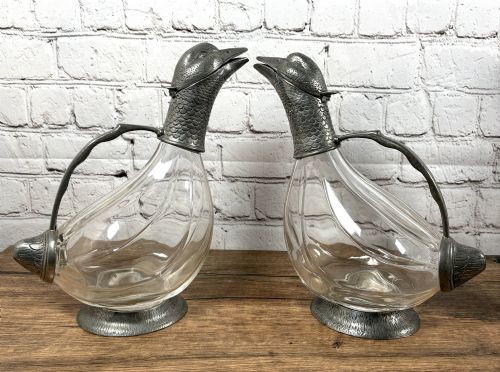
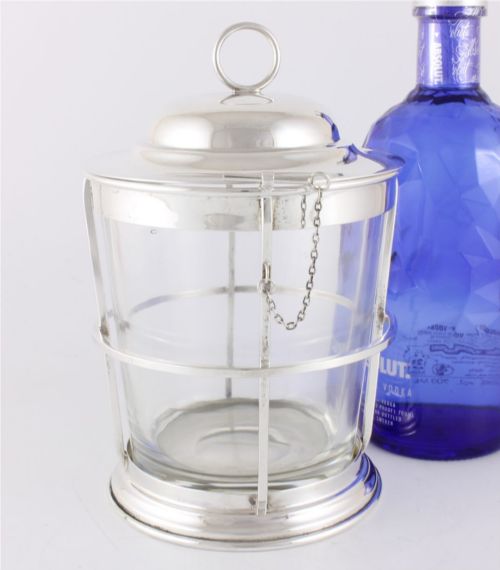
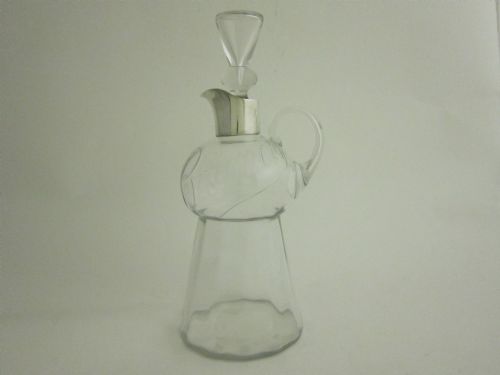
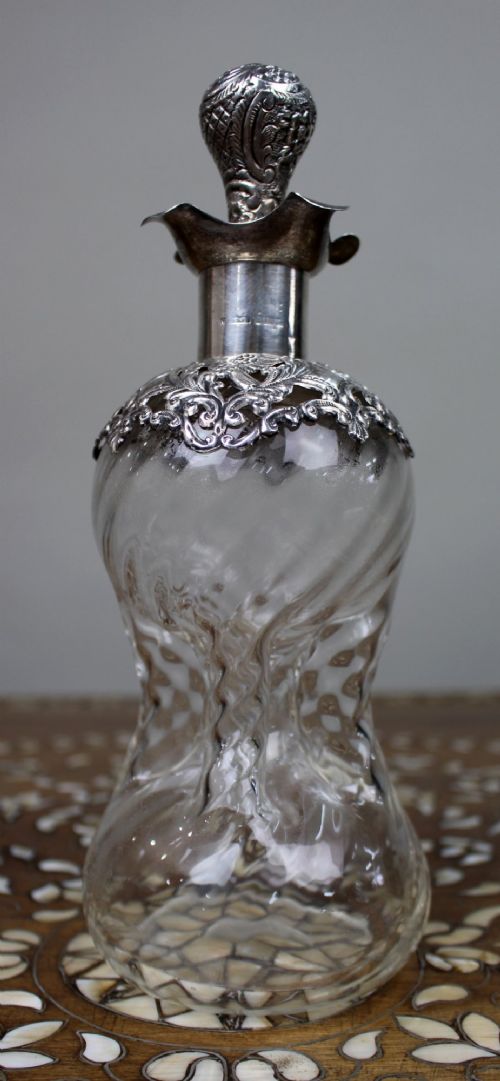
Metal mounts in sterling silver and silver plate provide functional collars, stoppers, hinged caps and handles. Makers combined glass with metals using secure collars and cork seals, often integrating hallmarks or maker marks onto the silver components.
Clear Glass Barware Retail Price Guide 2026
Typical asking prices for clear glass barware among the pieces listed under this phrase on Sellingantiques today, from the lower quarter to the upper quarter. They describe what is for sale here now, not the wider market.
Listings span periods from the eighteenth century through the Georgian, Victorian, Edwardian, and Art Deco eras into the mid-twentieth century.
Assessing craftsmanship
Quality rests in the weight and clarity of the glass and the crispness of the cutting. Superior pieces display deep, sharp facets and hand-engraving without surface ripples or cloudiness in the metal.
The standard of metalwork distinguishes standard production from high-end workshop output. Substantial gauge sterling silver mounts, tight-fitting stoppers, and well-balanced proportions separate better examples from simpler plated items.
William Comyns·PH Vogel·Rene Lalique·Asprey London
The Clear Glass Barware Glossary
- Rummer
- A heavy drinking glass with a short stem and a capacious bowl, popular in the Georgian period for ale, cider or wine. These sturdy vessels were a staple of nineteenth-century taverns and dining rooms.
- Noggin
- A small mug or vessel holding a quarter of a pint, typically used for serving spirits like whiskey. Whisky noggins often feature a silver rim and a small pouring lip.
- Bitters jigger
- A small measure used in cocktail preparation to dispense aromatic bitters accurately. They frequently appear in Art Deco barware sets alongside shakers.
- Toastmaster dram glass
- A small eighteenth-century drinking glass designed with thick walls to withstand frequent rounds of toasts without breaking. Their compact size kept alcohol consumption manageable during long drinking sessions.
- Ogee
- An S-shaped curved profile seen on the bowls of certain Georgian drinking glasses. This contour provides a comfortable grip and directs aromas towards the drinker.
Clear Glass Barware: Frequently Asked Questions
How do I clean old decanters safely?
Older glass requires gentle hand washing with warm water and mild detergent rather than soaking or mechanical dishwashers. Avoid sudden temperature changes to prevent cracking the lead crystal.
Stained interiors can be addressed using specialised cleaning beads or vinegar solutions without abrasive scouring pads that might scratch the clear surface.
What is a whiskey noggin?
A whiskey noggin is a small personal decanter or jug, usually holding a single measure of spirits. They often include a silver collar and a matching stopper.
Victorians and Edwardians used them on sideboards or trays for individual guest servings during evening hospitality.
How can I tell Georgian glass from Victorian glass?
Georgian glass often displays pontil marks on the base where the punty rod was snapped off after blowing. The metal can show minor bubbles and a darker tone due to the composition of the batch.
Victorian pieces frequently feature heavier machine or deep hand-cutting, alongside cleaner pontil bases polished flat by later manufacturing methods.
Were silver mounts always marked?
Sterling silver mounts made in Britain generally carry hallmarks indicating the assay office, date letter, and maker's mark. These stamps help date the metal component precisely.
Silver-plated items usually bear maker initials or proprietary trade stamps rather than official town hallmarks.