
Clear Crystal Ceiling Light
A clear crystal ceiling light brings an unmistakable sparkle to a room through cut glass prisms and polished metal frames.
Clear Crystal Ceiling Light
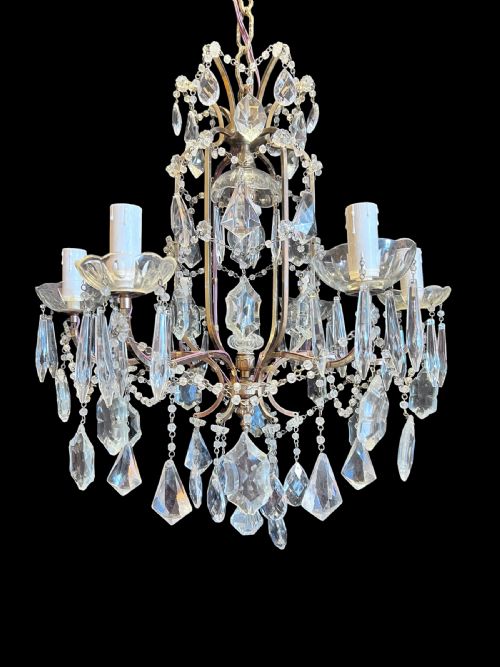
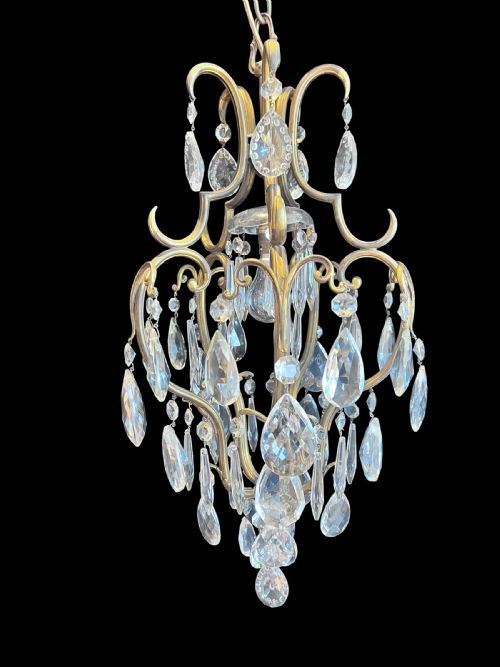
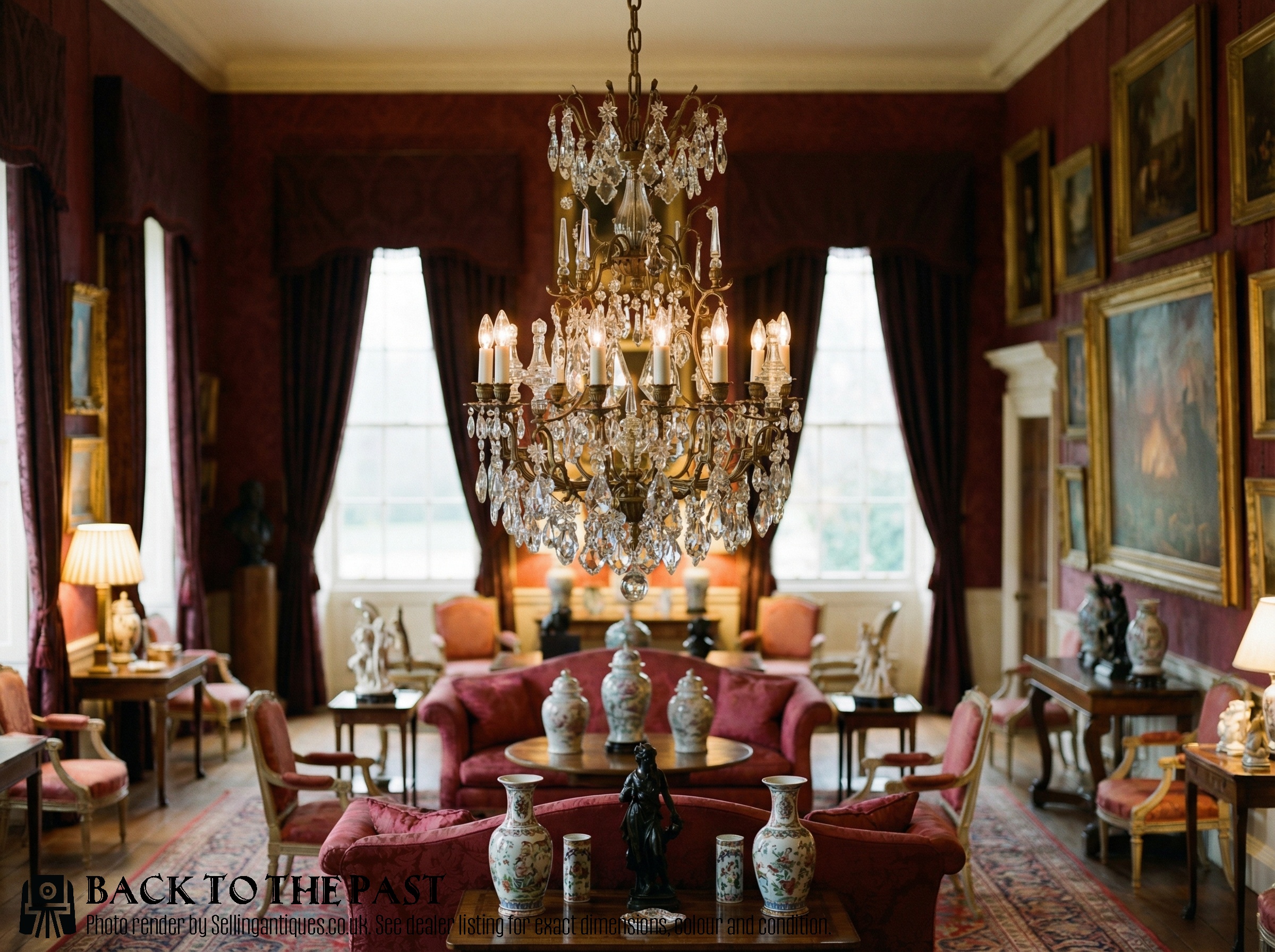
A clear crystal ceiling light encompasses a variety of hanging fixtures designed to illuminate rooms while catching and refracting light. When you search for a clear crystal ceiling light, you encounter diverse forms ranging from compact domes and flush plafonniers to grand multi-tiered chandeliers spanning several styles.
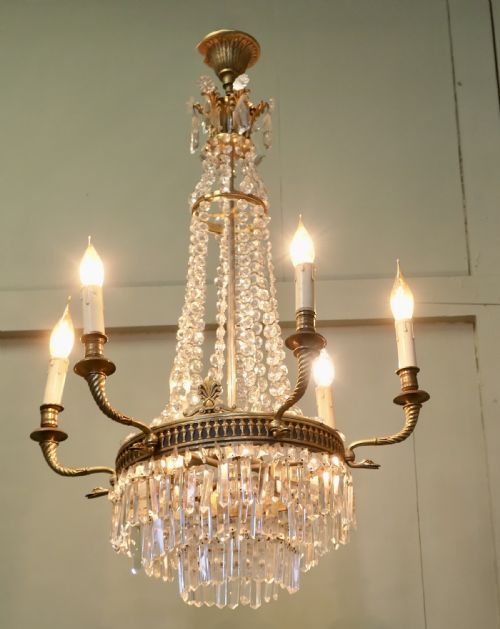
The selections span from the late nineteenth century through the early twentieth century, with notable representation from the Edwardian period and the 1920s and 1930s. Pieces frequently reflect European aesthetics, particularly French Empire, Louis Revival, and Italian Venetian traditions.
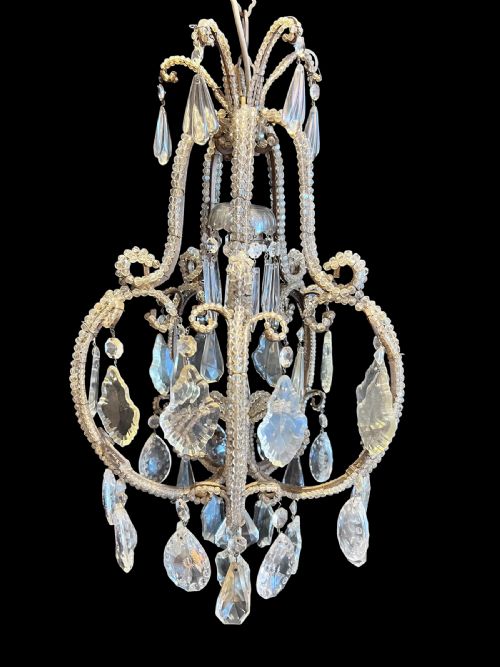
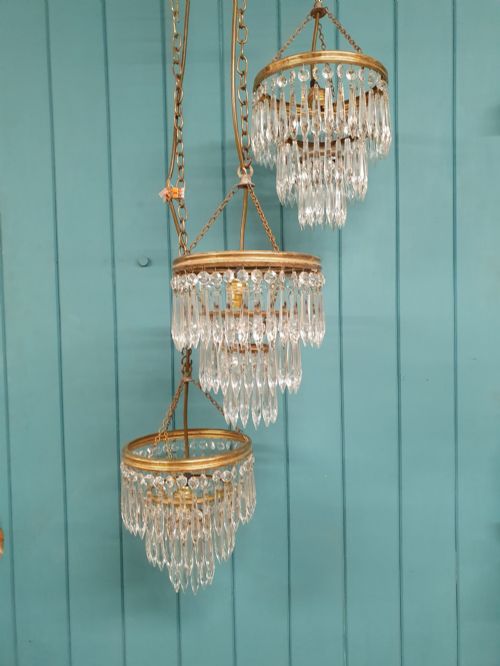
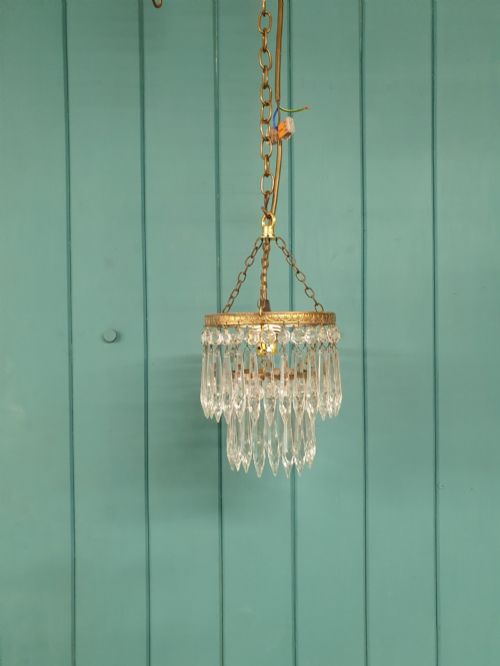
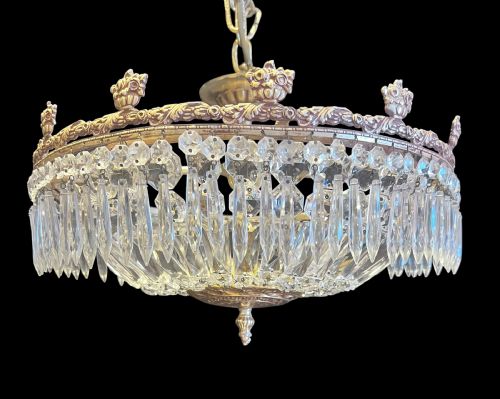
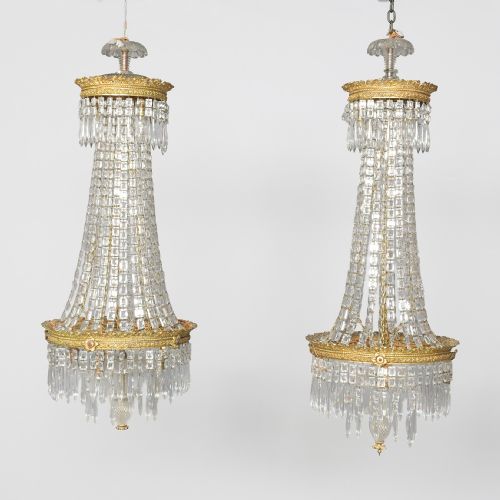
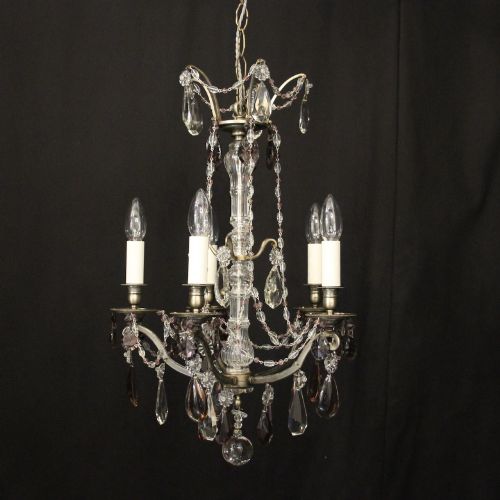
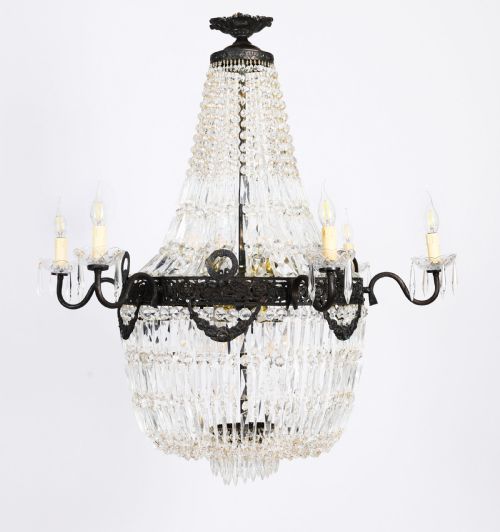
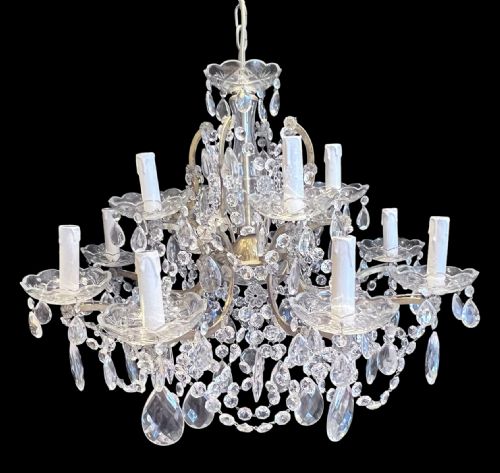
Chandeliers and pendant lights dominate the offerings, often featuring elaborate configurations of glass drops, beads, and central frames. Smaller flush or semi-flush ceiling lights also appear, providing similar refractive qualities for lower spaces.
Materials and construction
Frames rely predominantly on brass, bronze, and plated metals to support the substantial weight of glass components. These metal structures are shaped into baskets, tent rings, and arms that hold the illumination source.
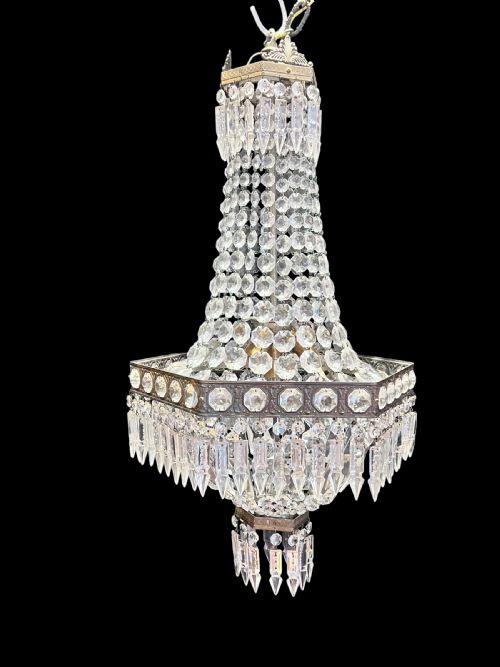
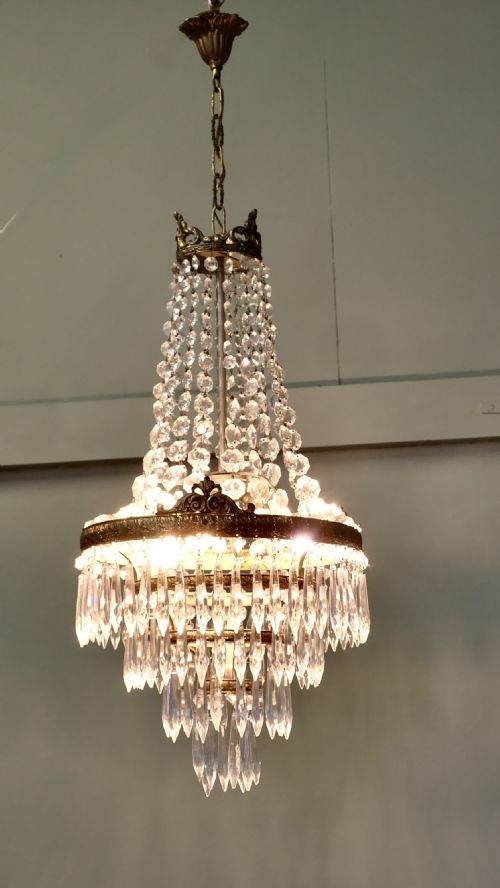
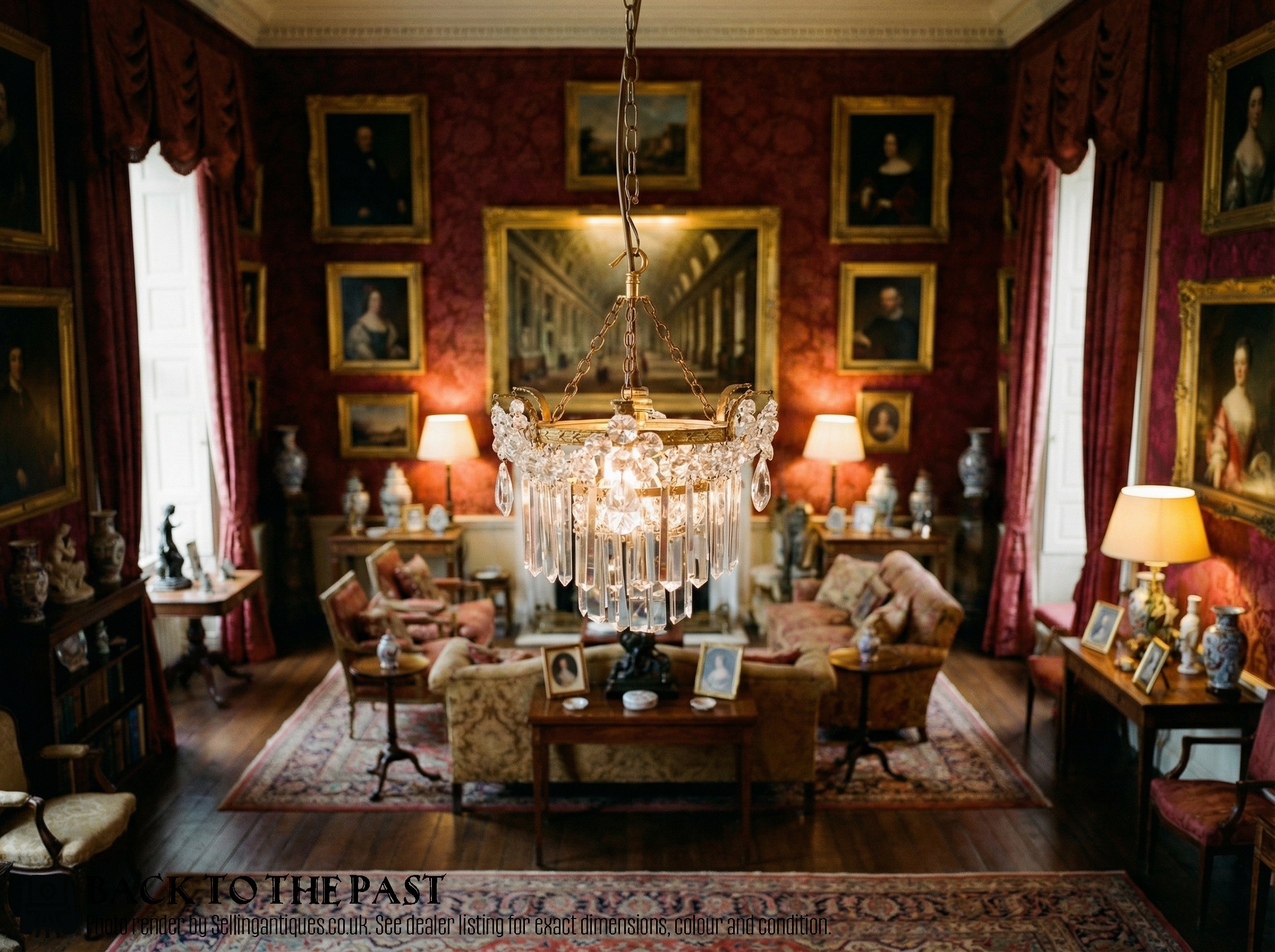
Crystals, cut glass, and specialised prisms are wired or pinned to the frames to create cascading waterfall effects, bag chandeliers, or dome tops. Master cutters shaped the glass to maximise light reflection across facets such as coffin prisms and beaded strands.
Clear Crystal Ceiling Light Retail Price Guide 2026
Typical asking prices for clear crystal ceiling light among the pieces listed under this phrase on Sellingantiques today, from the lower quarter to the upper quarter. They describe what is for sale here now, not the wider market.
Some Edwardian fixtures conceal their entire metal framework beneath dense cascades of glass beads and swinging coffin prisms.
Assessing quality and craftsmanship
The clarity and weight of the glass dictate the brilliance of the refraction, with finer pieces utilising dense crystal that produces sharp light dispersion. The precision of the hand-cut facets on prisms and drops further distinguishes superior examples.
Metalwork quality shows in the rigidity of the brass or bronze frames and the delicacy of the casting and gilding. Secure pin attachments for the crystal drops indicate careful assembly that ensures structural integrity over decades of use.
The Clear Crystal Ceiling Light Glossary
- Plafonnier
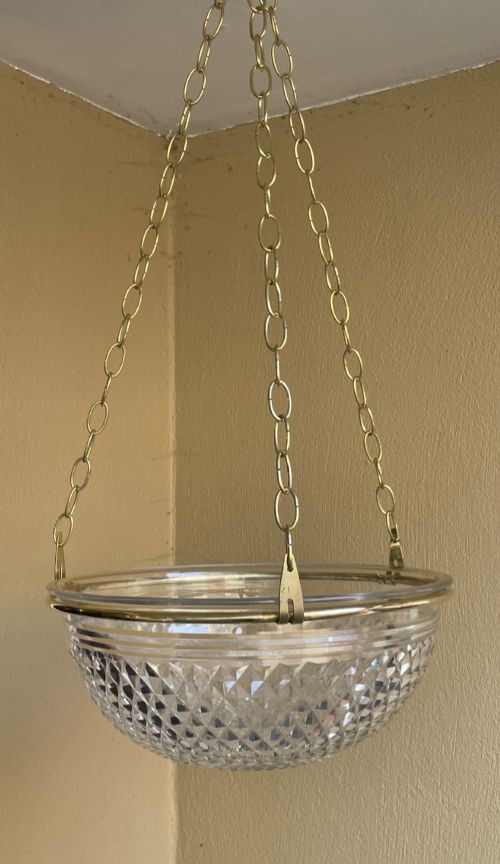
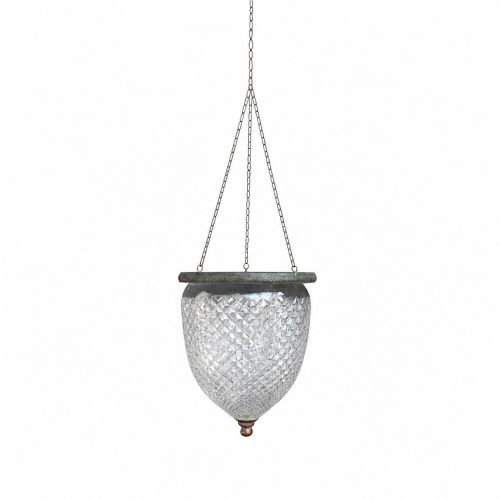
- A ceiling light fixture that mounts flush or semi-flush against the ceiling surface. These are often bowl-shaped or dome-shaped and enclosed in cut glass.
- Tent and waterfall
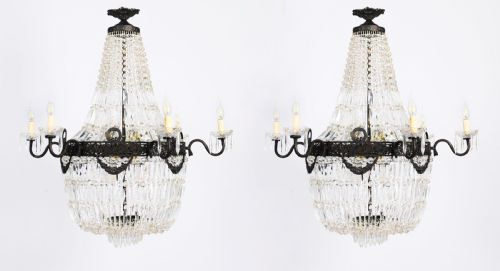
- A chandelier style featuring an upper conical section of strung beads above a wider, cascading fall of crystal drops. This arrangement maximises visual volume and light dispersion.
- Coffin prism
- A long, flat-backed crystal pendant shaped like a coffin, commonly hung from early twentieth-century fixtures. They create sharp, linear light patterns when illuminated.
- Marie Therese
- A specific chandelier design characterised by a flat frame completely concealed by glass plates, crystal drops, and scrolling arms. These fixtures originated in honour of the Austrian empress.
- Bag chandelier
- A light fixture where the lower section forms a tapering bag or mesh of crystal beads suspended beneath a metal ring. This style concentrates the refractive elements tightly around the bulbs.
Clear Crystal Ceiling Light: Frequently Asked Questions
How do I clean a crystal ceiling light?
Maintenance requires gentle cleaning with a mixture of warm water and mild dish soap applied directly to the glass components. Each prism should be wiped carefully by hand while still attached to the frame to avoid misaligning the delicate wire pins.
Power to the fixture must be switched off completely before starting any cleaning process. Allowing the crystals to air dry helps prevent lint transfer from cloths onto the polished glass facets.
What is the difference between a plafonnier and a chandelier?
A plafonnier mounts directly against the ceiling surface as a flush or semi-flush fixture, making it suitable for rooms with lower ceiling heights. It typically consists of a glass dome or bowl held in a metal mount.
In contrast, a chandelier suspends downward from a chain or rod, featuring multiple arms and hanging crystal arrangements. Chandeliers require greater vertical clearance to display their tiered drops and branching lights effectively.
Can these antique lights use modern LED bulbs?
Most antique fixtures accept standard modern screw or bayonet bulbs provided the original lamp holders remain compatible. Selecting warm white LED bulbs helps replicate the soft glow of historic gas or early electric lighting.
Checking the maximum wattage rating of the original wiring is essential before installation. Rewiring older brass and metal frames is frequently recommended to ensure safety with current electrical standards.
How do I date an early twentieth-century crystal light?
Dating relies on examining the construction methods of the brass frame, the style of the metal casting, and the cut of the glass prisms. Edwardian and 1920s pieces often feature specific configurations like tent and waterfall structures or distinct coffin prisms.
Examining the wiring type, ceiling canopy, and chain links provides additional clues regarding the period of manufacture. Surviving maker marks or specific regional design traits also help narrow down the production decade.