



Claw Set Diamond Solitaire
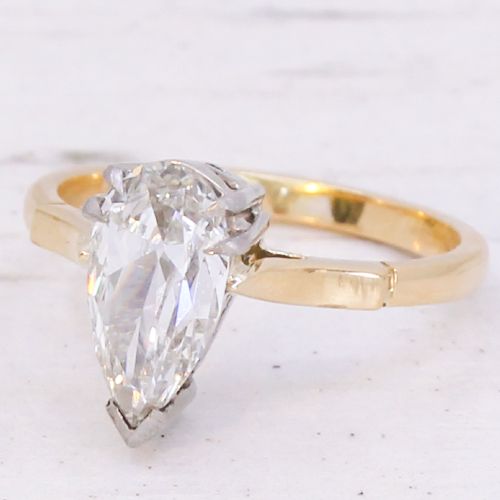
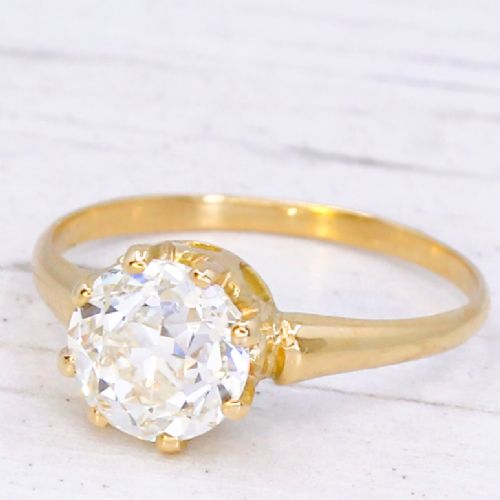
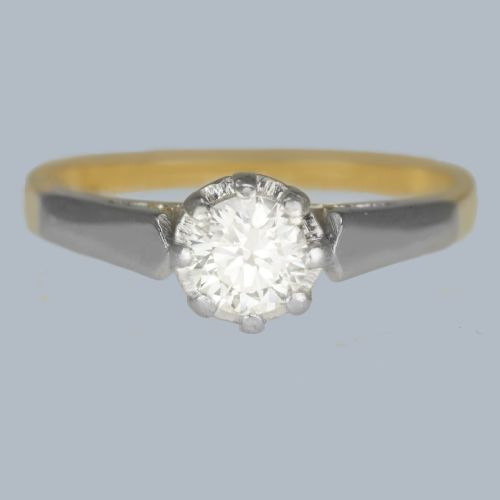
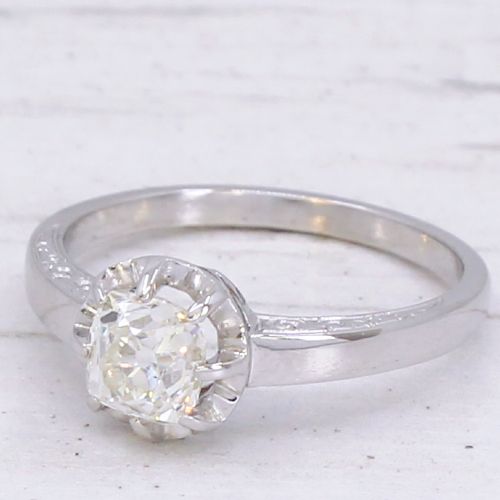
A claw set diamond solitaire focuses attention entirely on a single stone held securely by small metal tabs.
Claw Set Diamond Solitaire
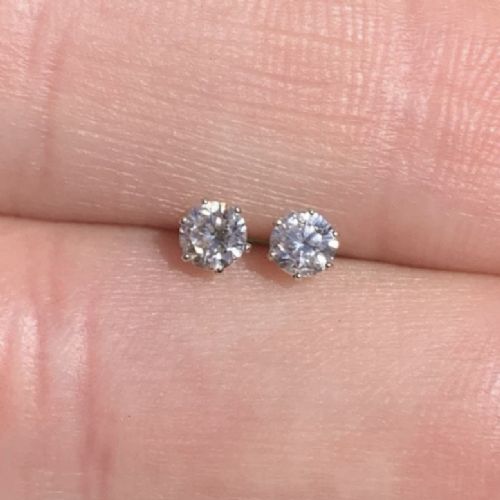
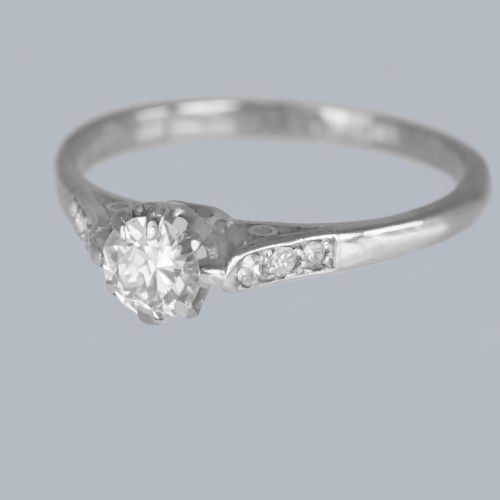
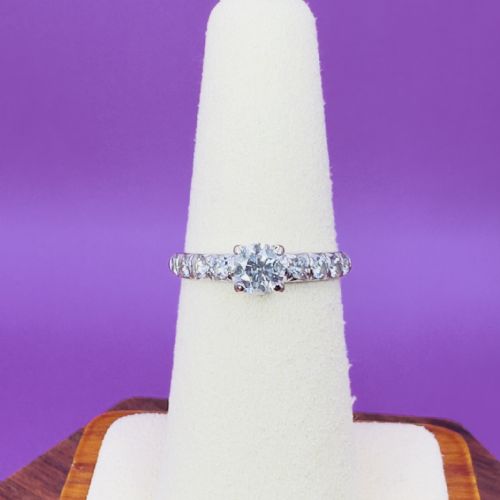
When you search for a claw set diamond solitaire, you are looking at jewellery designed to showcase one principal stone held by individual metal prongs. The selection here centres primarily on rings and engagement rings, alongside stud earrings and pendant necklaces.
The pieces span periods from the Victorian era and Edwardian times through Art Deco and Mid-Century designs. You will encounter mountings fashioned from platinum, 18ct yellow gold, white gold, and rose gold.
Materials and Technique
Makers set diamonds into durable metals such as platinum or various carats of gold, utilising prongs to grip the girdle of the stone securely. This method allows maximum light to enter the pavilion of the diamond from multiple angles.
Many mountings incorporate contrasting metals, such as platinum heads combined with yellow or white gold shanks, particularly in pieces from the Art Deco period. Shoulder stones or accent diamonds occasionally accompany the central gem.
Some old cut diamonds carry the quiet glow of candlelit rooms from a century ago.
Quality and Proportion
Distinctions in quality arise from the cut and proportions of the central diamond, whether old cut, transitional, brilliant, pear, or cushion. The symmetry of the setting and the delicacy of the claws also define the standard of the piece.
The choice of metal contributes to the character, with dense platinum offering strength for fine prongs, while gold provides traditional warmth or bright white contrast.
The Claw Set Diamond Solitaire Glossary
- Claw setting
- A method of mounting a gemstone using metal prongs that secure the stone at its girdle. This technique permits light to pass through the pavilion.
- Solitaire
- A piece of jewellery featuring a single gemstone without accompanying side stones. The design draws the eye directly to the central diamond.
- Old cut diamond
- A hand-faceted diamond cut popular before modern brilliant proportions were standardised. These stones often display smaller tables and higher crowns.
- Transitional cut
- A diamond cut used during the shift from old European cuts to modern brilliant cuts, possessing characteristics of both styles.
- Platinum
- A dense, durable white metal frequently utilised in fine jewellery settings. Its strength supports secure claw configurations.
Claw Set Diamond Solitaire: Frequently Asked Questions
What is a claw set diamond solitaire?
A claw set diamond solitaire is a piece of jewellery featuring a single prominent diamond held in place by metal prongs. This mounting style is most commonly found in engagement rings, dress rings, stud earrings, and pendants.
The setting style elevates the stone above the band or base, allowing light to enter the facets from the sides as well as the top. This configuration maximises the brilliance and visibility of the diamond.
How do I date an antique solitaire?
Dating a solitaire relies on examining the cut of the diamond, the metal composition, and the overall design characteristics. Pieces from the Victorian and Edwardian periods often feature hand-cut stones in platinum or yellow gold.
Art Deco examples introduce geometric shoulder details and platinum mounts, while Mid-Century pieces display streamlined transitional or brilliant cut stones in white gold or platinum.
Are these rings suitable for daily wear?
Many of these rings were created as engagement rings and are built to withstand regular use. Platinum and high-carat gold provide robust foundations for daily wear.
To maintain the setting, the prongs holding the diamond should be checked periodically by a professional. This ensures the stone remains securely gripped within the claws.
What diamond cuts will I find here?
The selection includes traditional old European cuts, old mine cuts, transitional cuts, and modern brilliant cuts. You will also discover cushion and pear shaped stones across various periods.
Each cutting style reflects the period in which it was shaped, giving stones from the Victorian and Edwardian eras a distinct appearance compared to later mid-century examples.